
NGOs
Women’s Groups Launch Pre-Election Sensitisation Programme, Urge Gombe Women to Vote Wiselythe Compassion

By Auwal Ahmad Umar
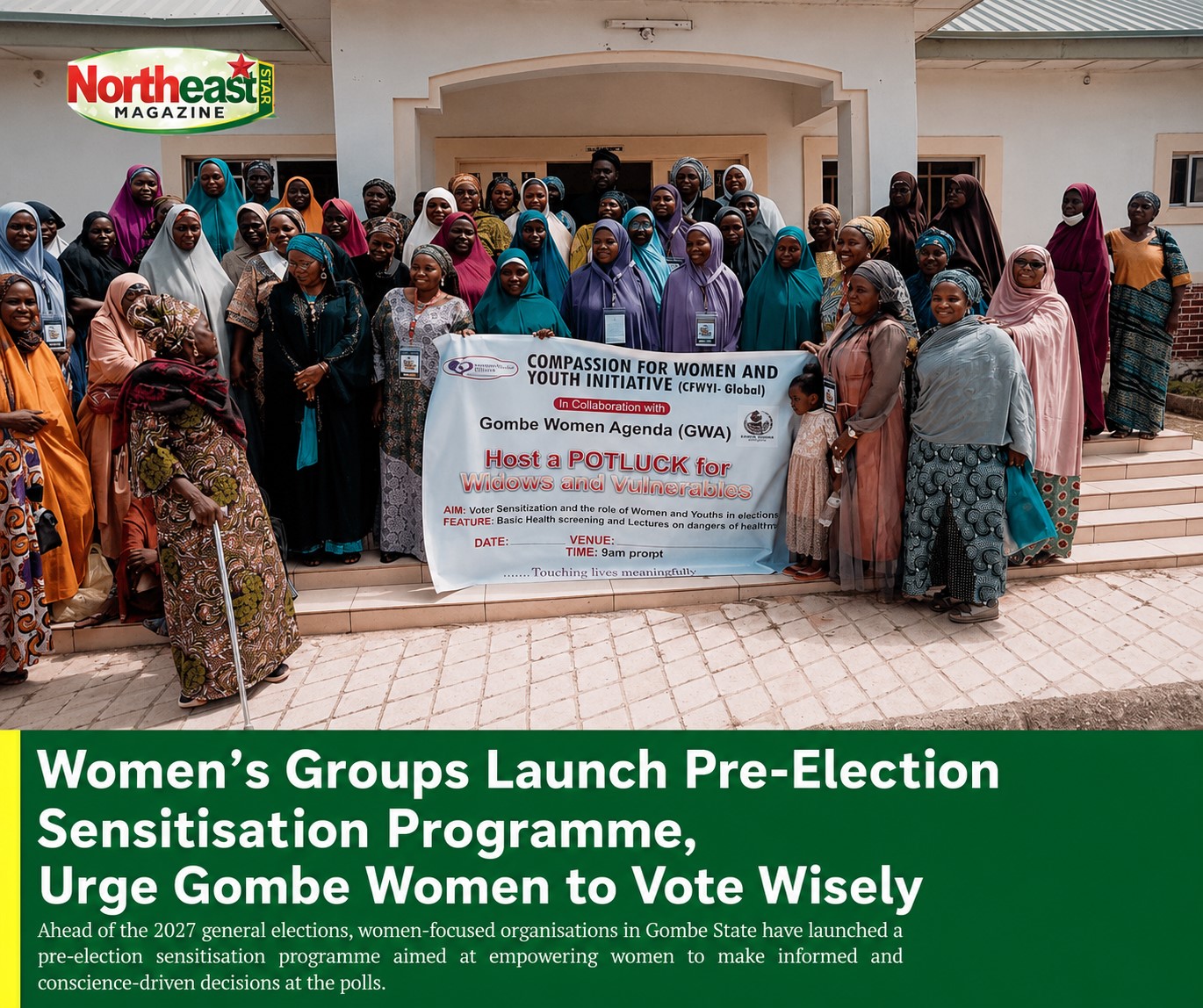
Two women-focused civil society organisations, Compassion for Women Initiative and Gombe Women Agenda, have launched a pre-election sensitisation programme in Gombe State to encourage women and youths to make informed and independent choices during elections.
The programme is aimed at reducing the vulnerability of women to vote buying and political manipulation while encouraging voters to look beyond campaign gifts and consider the long-term benefits of their choices at the ballot box.
The organisers said the initiative became necessary ahead of the forthcoming elections, particularly because economic hardship and poverty could make vulnerable women susceptible to inducements from politicians.
Speaking at the sensitisation programme, the Chairman of the Gombe Civil Society Network (GONET) and Convener of Gombe Women Agenda, Amb. Ibrahim Yusuf, represented by Auwal Ahmad Umar, said the initiative was designed to address concerns surrounding election preparations and the influence of campaign inducements on voters.
Yusuf said poverty and hunger had left many women vulnerable to politicians who use cash and other material items to influence voting decisions.
He identified money, food, clothing and other forms of material assistance as some of the incentives commonly distributed during election campaigns.
He urged women to assess candidates based on their capacity to provide good governance rather than the temporary benefits offered during campaigns.
“Any person giving you money to vote for him will not give you the dividends of democracy, which include security, quality education, healthcare and other development,” he said.
Also speaking, the State Coordinator of the Compassion for Women and Youth Initiative, Hajiya Fatima Abdullahi, said women and youths form a significant part of the electorate and must be empowered with the knowledge needed to make independent political decisions.
She explained that the programme was conceived in response to concerns that the prevailing economic difficulties could make some women more vulnerable to campaign inducements.
“We looked at the fact that the elections are coming and the preparations, as we know, for campaigns. The usual thing we are afraid of is the giveaways to the masses,” she said.
According to Abdullahi, women facing difficulties in providing food and other basic needs for their families could easily view money, food, clothing or other campaign gifts as an opportunity to address immediate challenges.
She, however, said the organisation’s strategy was not to condemn women for accepting such assistance but to ensure that receiving a gift does not dictate their choice at the polls.
“We cannot tell them not to collect. What if we make the mistake of telling them not to collect? We lose them. So, what we tell them is “collect, but vote rightly,” she said.
The Assistant Secretary of Gombe Women Agenda, Fatima Chadi, also urged women not to allow politicians or other influential individuals to dictate their voting choices through intimidation, religious sentiments or threats.
She particularly cautioned against attempts to make voters swear allegiance to a candidate in exchange for money or other benefits.
Chadi said the sensitisation programme was also intended to establish a trusted support system through which vulnerable women could discuss their challenges, receive guidance and seek assistance.
She described the initiative as a “stepping stone”, stressing that changing voting behaviour and addressing the socio-economic challenges facing women would require sustained engagement beyond a single sensitisation programme.
The organisers said they hoped the initiative would help women and youths become more discerning voters who would evaluate candidates based on their competence, policies, integrity and ability to deliver meaningful development.
By Auwal Ahmad Umar
Civil society organisations (CSOs) in Nigeria have been urged to strengthen internal governance, transparency and accountability by adopting self-regulation principles to improve public trust and ensure effective service delivery.
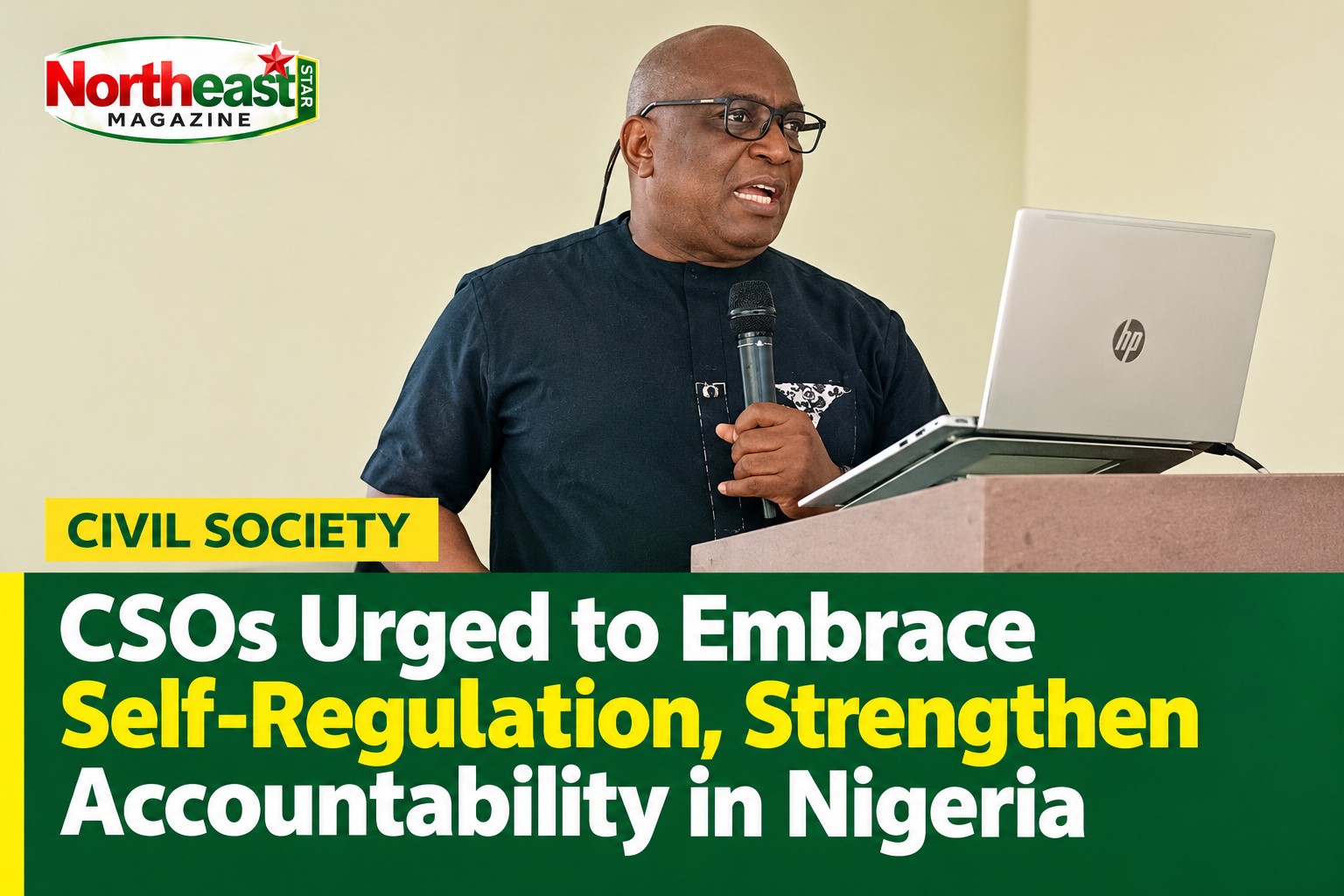
Harry Udoh, Team Lead of the Ethics and Good Leadership Awareness Initiative (EGLAI), made the call during a regional onboarding workshop in Yola, Adamawa State, no deepening the adoption and implementation of CSO self-regulation in the Northeast, supported by the EU-CSO strengthening bridge project
Mr Udoh said the workshop was a follow-up to an earlier engagement held in February, aimed at equipping designated champions to promote ethical standards and accountability among civil society organisations in their respective states.
He explained that participants drawn from six states in the North-east were expected to share the knowledge gained with other CSO networks and organisations to broaden the implementation of the initiative.
“Self-regulation is about getting civil society organisations to discipline themselves by looking at their governance, financial management and operational policies,” he said.
According to him, having policies on paper is not enough; organisations must demonstrate commitment to them through their daily activities, including responsible financial management, ethical conduct and transparent decision-making.
He said these measures would help strengthen the credibility of civil society organisations and make them more reliable partners for government, donors and communities.
Mr Udoh noted that CSOs play important roles in Nigeria’s development by creating jobs, supporting vulnerable populations, reaching underserved communities and complementing government efforts in service delivery.
He particularly highlighted the contribution of civil society organisations in the North-east, where humanitarian and development groups support people affected by insecurity and other crises.
Explaining the framework guiding the initiative, Mr Udoh said civil society organisations agreed in 2023 to adopt a harmonised code of conduct containing principles on governance, resource management, conflict of interest, safeguarding and ethical standards.
He said the framework also provides for peer accountability, organisational self-assessment and information disclosure to encourage organisations to evaluate their performance and make relevant information available to stakeholders.
According to him, the self-assessment mechanism enables organisations to determine whether they comply with the code of conduct and applicable national regulations.
He added that the information-sharing component encourages organisations to disclose details of their activities, financial statements and audited accounts as part of efforts to promote transparency.
Mr Udoh said accountability should extend beyond donor agencies to include government institutions, staff, peer organisations and beneficiaries.
“You are not only going to be accountable to the donors, but you need to be accountable to government, your peers, the staff of your organisation and the beneficiaries of the work that you do,” he said.
He explained that wider accountability would help organisations build public confidence, maintain legitimacy and become more responsive to the needs of the communities they serve.
The EGLAI team lead also observed that some organisations struggle to comply with existing regulations because they lack adequate knowledge of the legal and administrative requirements governing their operations.
He said the self-regulation initiative seeks to address the gap by helping organisations strengthen their internal systems and better understand their obligations under relevant regulations, including those administered by the Corporate Affairs Commission and tax authorities.
Mr Udoh acknowledged the need for government oversight of the civil society sector but cautioned against introducing additional legislation without considering existing regulatory frameworks.
He argued that overlapping regulations could create unnecessary burdens for organisations already subject to several compliance requirements.
Referring to the proposed foreign NGOs legislation, he questioned the need for additional provisions where similar requirements may already be covered by existing laws and regulatory institutions.
He, however, stressed that the initiative was not intended to shield civil society organisations from legitimate oversight but to encourage them to become more disciplined, transparent and compliant.
Mr Udoh expressed optimism that sustained implementation of the framework would help build a stronger civil society sector capable of supporting national development and holding public institutions accountable.
He also urged participating champions to ensure that the lessons from the workshop translated into practical changes within their organisations.
Also speaking, Shuibu Ibrahim, a participant from Maiduguri, said self-regulation would only be effective if organisations moved beyond preparing policies to ensure that staff understood and applied them in their daily work.
He observed that many non-governmental and development organisations had formal policy documents, but the provisions were not always adequately understood or consistently implemented by operational staff.
Mr Ibrahim said strengthening institutions required translating governance frameworks into everyday practice through ethical conduct, transparency and peer accountability.
He urged participants to share the knowledge acquired at the workshop with colleagues and partner organisations that could not attend the programme.
Mr Ibrahim commended the Ethics and Good Leadership Awareness Initiative and its funding partners, including the European Union, for addressing capacity gaps in the humanitarian and development sectors.
He said the programme had helped simplify complex operational frameworks and make them more accessible for practical implementation within civil society organisations.
By Auwal Ahmad, Gombe
The Kalthum Foundation for Peace has called on governments and security agencies to strengthen measures to protect girls in conflict-affected communities, warning that insecurity, poverty and displacement are exposing more children to early marriage and disrupting their education.
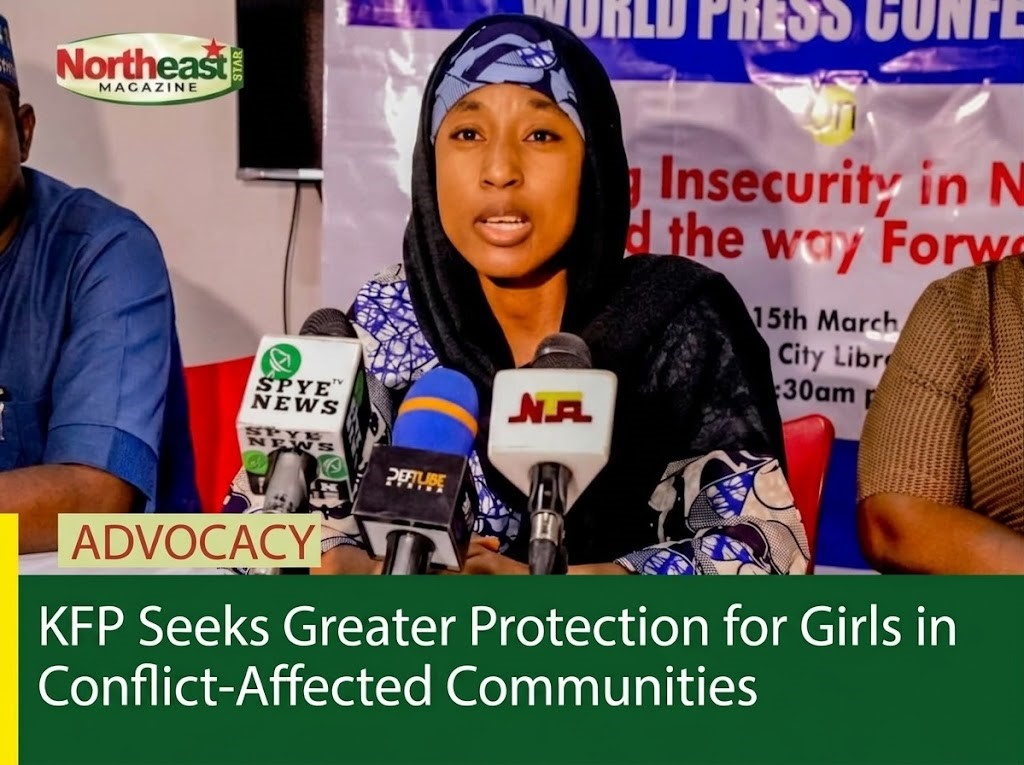
The foundation’s Chief Executive Officer, Ummu Kalthum Muhammad Rabiu, made the call in a statement issued in Maiduguri on Sunday to mark the 2026 International Day of the Girl Child.
She said child marriage had become a major concern in Northern Nigeria and the Sahel, where armed conflict, economic hardship and climate-related challenges continued to undermine the safety and future of adolescent girls.
Ms Rabiu argued that child marriage should not be treated merely as a social or cultural issue, but as a threat to education, development and long-term security.
“Ending girl child marriage is not a slogan for us in Northern Nigeria, in the Sahel and across West Africa. It is an emergency,” she said.
She noted that when schools were closed because of insurgency, banditry and kidnapping, girls were often among the first to lose access to education. Families facing displacement and financial hardship, she added, sometimes resorted to marrying off their daughters to reduce household expenses.
“When families are displaced and have no food, who is married off at 13 for N50,000 or a bag of rice? The girl,” she said.
According to Ms Rabiu, the effects of insecurity are compounded by environmental and economic pressures, including the shrinking of Lake Chad and conflicts between farmers and herders, which have weakened the livelihoods of many families across the region.
She cited figures attributed to UNICEF indicating that 44 per cent of girls in Northern Nigeria were married before the age of 18. She also pointed to the high prevalence of child marriage in countries such as Niger and Burkina Faso as evidence of the wider challenge facing the Sahel.
The foundation’s chief executive said early marriage could deprive girls of educational opportunities, limit their economic independence and perpetuate poverty across generations.
“Girl child marriage is not just a girls’ issue. It is a security issue. It is an HDI issue. It is a peace issue,” she said.
Ms Rabiu urged governments and security agencies to prioritise the protection of schools and ensure that girls in conflict-affected communities could continue their education without fear of attacks, abduction or forced marriage.
She called for stronger implementation of the Safe Schools Declaration, stressing that education should form a central part of strategies to protect children and prevent further social instability.
“A school must be protected like a military barracks,” she said.
She also called for greater collaboration with traditional rulers, Islamic scholars and teachers in Tsangaya and Islamiyya schools to address child marriage and encourage community participation in protecting girls.
According to her, religious and traditional leaders could play an important role in changing attitudes and discouraging practices that expose children to harm.
“Marrying off a 12-year-old who has seen no menstrual cycle is not Islam — it is poverty using religion as cover,” she said.
Beyond government intervention, Ms Rabiu urged international donors, United Nations agencies and state governments to provide direct funding to women-led organisations working in communities affected by conflict.
She said women were often at the forefront of peacebuilding, mediation and efforts to prevent young people from joining armed groups, but their contributions remained inadequately recognised in formal security discussions.
“For too long, security meetings in Abuja, Niamey, Ouagadougou and N’Djamena discuss the Sahel without one woman from the Sahel at the table,” she said.
“Peace agreements are signed about our bodies, without our voices. Education policies are made for our daughters, without our mothers.”
The foundation announced plans to mark the international day through engagements with 200 adolescent girls who had escaped child marriage and returned to school in three communities in Maiduguri.
Ms Rabiu said the programme would provide the girls with an opportunity to share their experiences and contribute to discussions on their rights, safety and future.
She urged families and community leaders to support girls’ education and ensure that economic hardship did not become a justification for forcing children into marriage.
“To every girl reading this in Borno, in Zamfara, in Tahoua, in Kaya: Your education is your right. Your voice is your power. Your marriage must be your choice, not your family’s survival strategy,” she said.
Ms Rabiu reaffirmed the foundation’s commitment to advocating for the protection of girls and ensuring that children in Northern Nigeria and across the Sahel could access education, live safely and make decisions about their futures.
By Auwal Ahmad Umar
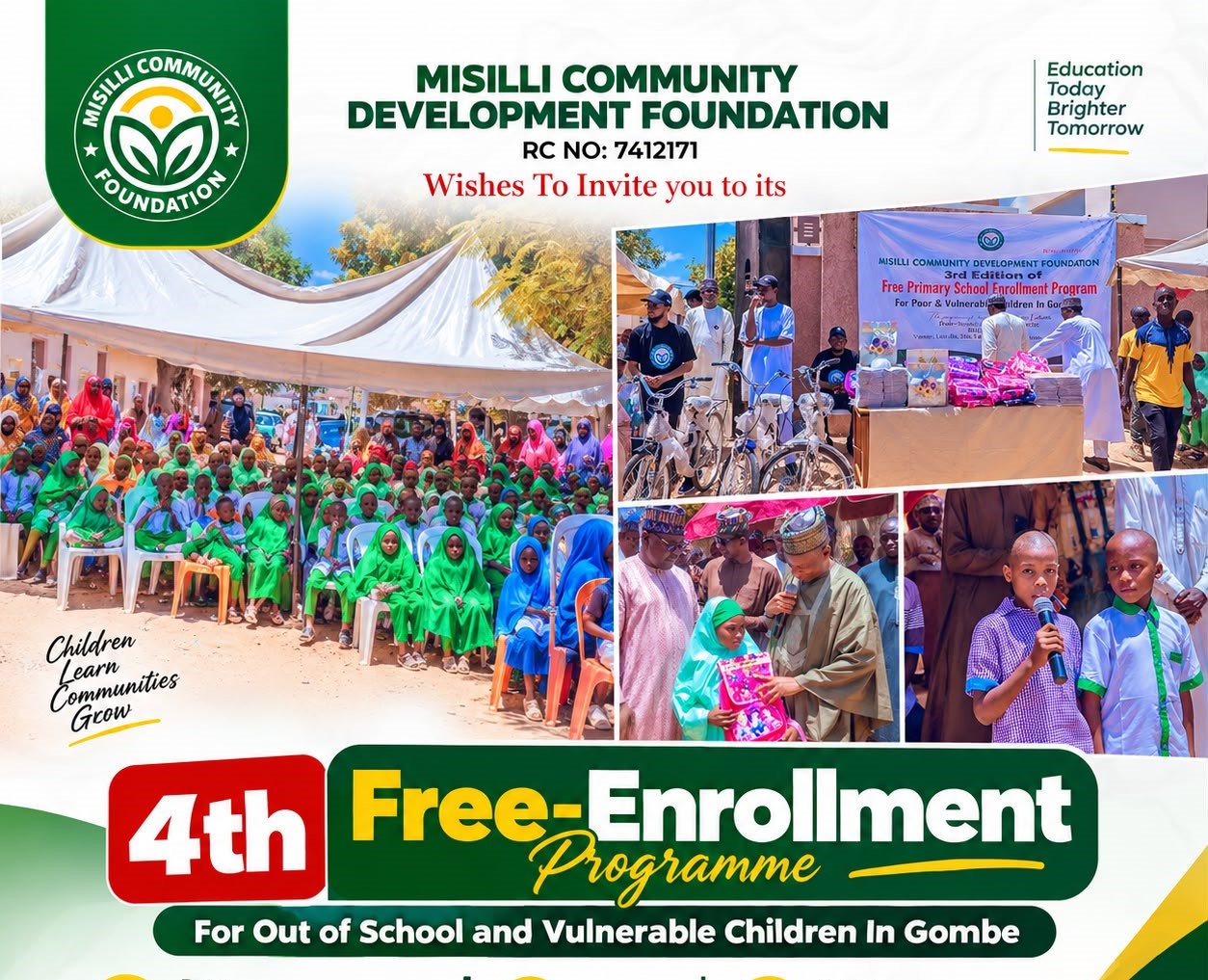
The Misilli Community Development Foundation (MCDF) is set to hold the fourth edition of its annual school enrolment programme for out-of-school and vulnerable children in Gombe State.
The initiative, scheduled for Sunday, September 20, 2026, is aimed at helping children facing financial and social challenges gain access to formal education and remain in school.
The programme, which has grown into a yearly intervention by the foundation, is designed to complement government efforts to reduce the number of children excluded from the education system.
Since its launch, the initiative has supported beneficiaries with school enrolment and essential learning materials, including uniforms, school bags and books. The foundation has also introduced measures aimed at easing the financial burden on vulnerable families and encouraging regular school attendance.
The intervention aligns with ongoing efforts by the Gombe State Government to tackle the out-of-school children challenge through programmes implemented by the State Universal Basic Education Board (SUBEB), with support from organisations including the Universal Basic Education Commission (UBEC) and UNICEF.
Beyond enrolment, MCDF said its intervention is focused on helping children stay in school and benefit from education irrespective of their socio-economic circumstances.
The fourth edition is expected to bring together beneficiaries, parents, community leaders, education stakeholders, partners and other supporters of the initiative.
The event will take place at 10:00 a.m. at the residence of the late Alhaji Uba Misilli in Dawaki Quarters, Gombe.
The foundation called on individuals, organisations and community stakeholders to support efforts to identify and enrol children who are out of school, while urging parents and guardians to ensure that enrolled children attend school regularly.
According to the foundation, access to education should not end with admission into a classroom but should provide children with the knowledge and opportunities needed to improve their future.

A Journey of Dedication, Professional Excellence and Leadership in Hajj Administration

Gombe First: A Renewed Hope for Gombawa

Meet Prof Lamela Silas: The Forensic Accounting Expert Seeking to Govern Gombe

APC National Chairman Settles Gombe Central Contest, Raises DCP Ahmed’s Hand as Party’s Senatorial Candidate

NGX Ends Week in the Green as ₦1.54 Trillion Boosts Investors’ Fortunes

Gombe Eyes Livestock-Led Economic Growth as Inuwa Yahaya Meets Minister

-
 Politics4 months ago
APC National Chairman Settles Gombe Central Contest, Raises DCP Ahmed’s Hand as Party’s Senatorial Candidate
-
 Economy11 months ago
NGX Ends Week in the Green as ₦1.54 Trillion Boosts Investors’ Fortunes
-
 Agriculture3 months ago
Gombe Eyes Livestock-Led Economic Growth as Inuwa Yahaya Meets Minister
-

 Education11 months ago
Dangote Launches Landmark ₦1 Trillion Scholarship Scheme to Support 1.3 Million Nigerian Students
-
 Sport7 months ago
Gombe Aquatic Sports Body Unveils Board, Sets Stage for Competitive Debut
-

 Economy11 months ago
CBN’s End to Cash Withdrawal Limit
-

 Striking the Balance4 months ago
The $2,500 Threshold: Why Raising Nigeria’s GDP Per Capita Is Our Best Non-Kinetic Strategy for Peace
-
 Environment5 months ago
World Environment Day: NGO Urges Nigerians to Embrace Nature-Based Solutions Against Climate Change