Economy
CBN’s End to Cash Withdrawal Limit

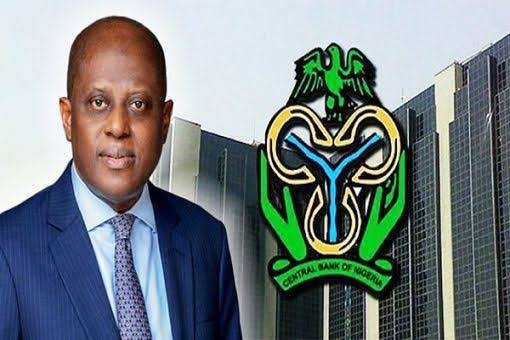
CBN’s End to Cash Withdrawal Limit
By Bulus Garba
Last week, the Central Bank of Nigeria (CBN) officially wound down one of its most talked-about financial regulations: the cash withdrawal limit policy. The rule, introduced in late 2022, had shaped the way millions of Nigerians accessed their money. The decision to discontinue it has been widely welcomed, not only because it eases everyday transactions, but also because it reflects the evolving leadership style of the current CBN Governor, Olayemi Cardoso.
The move signals that Nigeria now has a central bank willing to review its own decisions in light of new realities. It sends a message that policies, no matter how well-intentioned, are not sacred texts or cast in stone and must be periodically reassessed. Under Cardoso, the CBN is demonstrating that responsible leadership requires listening to citizens, watching the market closely, and adjusting course when necessary.
When the withdrawal limit policy was introduced, it placed strict caps on how much cash individuals and businesses could take out. Individuals were limited to ₦100,000 per week, while corporate bodies could only withdraw ₦500,000 weekly. Any attempt to exceed these limits would attract processing fees of 5 percent for individuals and 10 percent for organisations. The idea was to accelerate Nigeria’s transition toward a cashless society, reduce corruption, curb vote-buying, and create a stronger digital payment culture.
To be fair, the policy did have its benefits. It forced many Nigerians who preferred staying outside the formal banking system to open accounts, embrace fintech platforms, or rely more heavily on digital transfers and POS services. It expanded digital financial activity in a way the country hadn’t seen before. At the time, it made sense within the CBN’s broader strategy.
But even good policies must retire when their usefulness expires. Cardoso and the current management team eventually came to the conclusion that the withdrawal limit policy no longer aligned with Nigeria’s present economic realities. With that, the CBN removed the caps entirely, allowing Nigerians to access their funds without the previous weekly restrictions.
Many have described this decision as both timely and pragmatic. Critics who feared it might hinder Nigeria’s cashless ambition often overlooked one central truth: no institution understands the Nigerian money market better than the CBN. This knowledge is crucial to understanding that the bank is not abandoning the push for digital payments. It simply means recognising that Nigeria cannot force a cashless revolution overnight, especially when the infrastructure supporting such a system remains inconsistent.
The informal sector, which accounts for more than 65 per cent of Nigeria’s economy, still depends heavily on cash. From traders and farmers to artisans and transport operators, thousands of transactions happen daily in places where network failures, power outages, or digital service disruptions are common. Keeping rigid withdrawal limits under these conditions would only frustrate businesses and slow economic activity. In the long run, it could even erode confidence in the financial system.
Cardoso’s leadership has been characterised by an openness to engagement since his emergence. Since assuming office, he has worked to restore public trust at the apex bank, particularly after a turbulent period characterised by cash scarcity, conflicting signals, and widespread anxiety. His approach has focused on stabilising monetary policies, improving regulatory clarity, strengthening collaboration with the government, and sustaining efforts toward financial inclusion.
The CBN’s work with fintech innovators remains a key part of this progress. Nigeria still has a significant unbanked population, and digital platforms are playing a crucial role in bridging that gap. And no, removing the withdrawal limit does not undo the gains already made; it simply prevents financial inclusion from becoming a burden to those trying to survive in a tough economy. A cashless future is still the goal, but Cardoso is saying it must be gradual, realistic, and built on systems that work for everyone.
Feedback on the decision has been very positive. Since the announcement, many Nigerians have taken to social platforms and public conversations to praise the CBN for being responsive. Rarely does a major policy shift elicit widespread relief instead of confusion. People are calling Cardoso thoughtful, measured, and willing to listen, qualities that were badly needed at the apex bank.
Beyond easing access to cash for businesspeople in the informal sector, the decision to end the policy also sends a positive signal to investors. It indicates that the CBN is committed to economic stability, not dogmatic enforcement. It suggests that Nigeria is ready to rebuild confidence in its financial institutions and create an environment where policies serve the economy rather than stifle it.
In this sense, the winding down of the cash withdrawal limit is more than a regulatory update; it is a sign of the CBN’s evolving maturity. It demonstrates that Cardoso’s leadership is anchored on responsiveness, humility, and a firm grasp of the economic landscape. It acknowledges the needs of ordinary Nigerians while positioning the country for long-term growth.
Indeed, if the present is the tone that will define future monetary policy, then for the first time in a long while, Nigerians can look at the apex bank and feel that someone is paying attention.
Garba writes from Abuja.


Ashaka Cement Expansion: Inuwa Demands More Jobs for Gombe Indigenes
By Auwal Ahmad Umar
Gombe State Governor, Muhammadu Inuwa Yahaya, has urged Ashaka Cement Plc to create more employment opportunities for Gombe indigenes and strengthen its Corporate Social Responsibility (CSR) programmes as the company moves ahead with its expansion project and transition to HBM Nigeria Plc.
The governor made the call on Tuesday while receiving the Managing Director of Ashaka Cement Plc, Ibrahim Aminu, at the Government House in Gombe. Their discussions centred on the company’s expansion plans, its transition to HBM Nigeria Plc, corporate social responsibility initiatives and tax-related matters.
Governor Inuwa Yahaya described Ashaka Cement as one of Gombe State’s most important industrial partners, noting that the company has played a significant role in the state’s economic growth and industrial development over the years.
“Ashaka Cement has remained a key partner in our industrialisation drive and socio-economic development. We appreciate the company’s contributions and encourage its management to further strengthen its Corporate Social Responsibility interventions for the benefit of our people,” the governor said.
He stressed that the company’s expansion should bring tangible benefits to residents by creating more jobs, especially for qualified indigenes from the host community.
“As the company expands, we expect to see more employment opportunities for our people, particularly those from the host communities. This will ensure that the benefits of industrial growth are shared more widely,” he added.
Governor Inuwa Yahaya also reaffirmed his administration’s commitment to sustaining policies that promote investment and economic growth, assuring existing and prospective investors of a peaceful and business-friendly environment.
“Our administration will continue to provide an enabling environment for businesses to thrive because industrial development remains critical to our economic transformation and job creation agenda,” he said.
Speaking earlier, the Managing Director of Ashaka Cement Plc, Ibrahim Aminu, thanked the governor for the cordial relationship between the company and the Gombe State Government.
He said the investor-friendly policies of the Inuwa Yahaya administration have strengthened the company’s operations and positioned it for sustained growth as it transitions to HBM Nigeria Plc.
“We appreciate the support of the Gombe State Government. The favourable business climate created by this administration has continued to enhance our operations and gives us confidence as we embark on this new phase of expansion and transition,” Aminu said.
He added that the expansion project is expected to boost the company’s operational capacity while increasing its contribution to the state’s economy through greater investment, employment opportunities and community development initiatives.
The delegation also included the Head of Corporate Affairs, Mohammed Aminu. The meeting was attended by the Attorney General and Commissioner for Justice, Zubair Muhammad Umar.
Economy
NGX Chairman Urges Integrity, Cautions Against Risks as Investment Boom Fuels Digital Assets Debate in Lagos
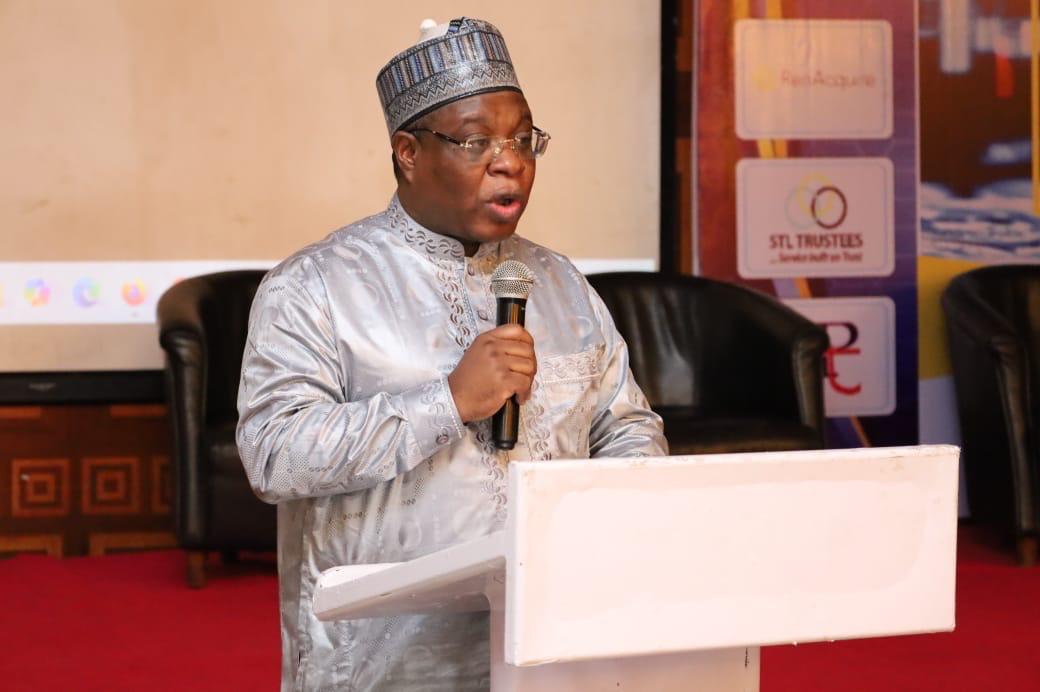
NGX Chairman Urges Integrity, Cautions Against Risks as Investment Boom Fuels Digital Assets Debate in Lagos
By Auwal Ahmad Umar
The Chairman of the Nigerian Exchange Group, Alhaji (Dr) Umaru Kwairanga, has called on investment advisers and portfolio managers to uphold professionalism and guard against emerging risks amid Nigeria’s sustained capital market growth.
Speaking at the 2026 Conference of the Association of Investment Advisers and Portfolio Managers held at Oriental Hotel, Victoria Island, Lagos, Kwairanga described the current phase of the Nigerian capital market as “exciting,” noting that renewed investor confidence has driven a bullish trend now entering its third year.
The conference, themed *“Fostering Enduring Operating Environment for Digital Assets Trading and Investments: Regulators/Operators’ Perspective,”* brought together key stakeholders across the financial ecosystem to examine the future of digital asset investments in Nigeria.
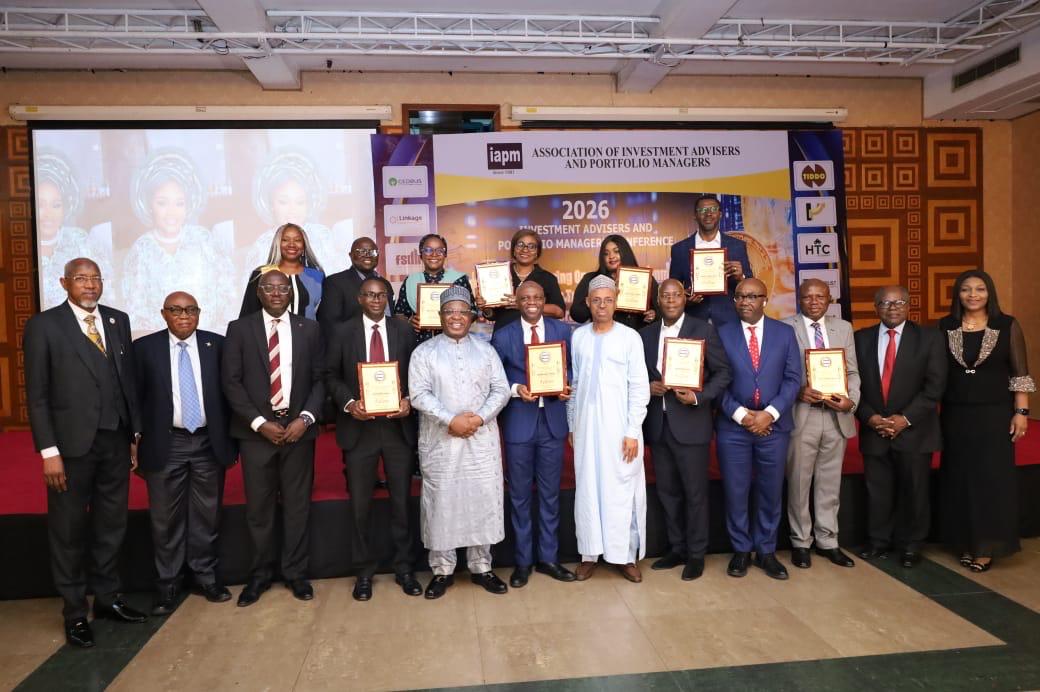
Kwairanga said recent policy reforms and strategic coordination among government, regulators, and market operators have contributed to improved investor sentiment.
“These are exciting times for the Nigerian capital market ecosystem, as recent policy decisions have reignited confidence and sustained a bullish trend,” he said.
However, he cautioned that periods of rapid growth often come with hidden dangers, warning investors and professionals against complacency.

“It is easy for investors to get carried away when asset prices keep rising and assume there are no risks. This is also a time when dubious investments and unqualified advisers tend to emerge,” he added.
The NGX Chairman stressed the need for members of the association to distinguish themselves through integrity, competence, and adherence to professional ethics. According to him, investment advisers must prioritize clients’ interests, maintain objectivity, and avoid conflicts of interest.
“You must demonstrate loyalty, prudence, and care in your dealings. When you uphold these values consistently, your credibility will grow, and so will your business,” he said.
Kwairanga also challenged the association to increase its visibility and influence within Nigeria’s financial sector, urging it to deepen engagement in policy discussions and organize more capacity-building initiatives.
> “You should not rest on past achievements. Your voice must be heard wherever investment and portfolio management issues are being discussed,” he noted.
On the growing relevance of digital assets, he commended the conference organizers for choosing a timely theme, describing the sector as both promising and widely misunderstood, particularly among young investors.
He urged stakeholders to ensure that deliberations at the conference translate into actionable recommendations.
> “Your discussions should be comprehensive and reflected in a communique to be shared with regulators like the Securities and Exchange Commission and the Nigerian Exchange Group for implementation,” he said.
Kwairanga further praised the association’s collaborative approach with other industry players, noting that such partnerships are essential for sustainable growth and reduced friction within the investment ecosystem.
He expressed confidence in the leadership of the association under its president and chairman of council, Alhaji Yusuf Modibbo, describing him as an experienced professional with deep industry knowledge.
The NGX Chairman concluded by wishing participants a productive conference, expressing optimism that outcomes from the gathering would strengthen Nigeria’s investment landscape, particularly in the evolving digital assets space.

Breaking Barriers: 15 Women Become Certified Truck Drivers in Gombe
By Auwal Ahmad Umar
In a move that is reshaping Nigeria’s logistics landscape, Lafarge Africa Plc has graduated 15 female truck drivers under its flagship Women on Wheels programme, along with five community drivers.
The colourful ceremony, held on Thursday at the Ashaka Cement Plant, marked the end of an intensive six-month training program designed to equip participants with the skills needed to safely operate heavy-duty vehicles in the country’s demanding construction sector.
The newly certified drivers underwent rigorous instruction covering advanced vehicle handling, defensive driving, fuel efficiency, and safety protocols.
The program is not only helping to bridge the shortage of qualified drivers; it is also promoting safe roads and challenging long-standing gender stereotypes in the industry.
Representing the state government, Deputy Governor Mannasseh Jatau praised the initiative, describing it as a powerful example of how private sector investments can transform lives.
He noted that empowering women through such programmes creates opportunities that ripple across communities.
“This initiative demonstrates a strong dedication to addressing genuine societal issues while providing women with the opportunity to excel in unconventional roles,” he stated.
In his remarks, the Group Managing Director and CEO of Lafarge Africa, Lolu Alade-Akinyemi, described the graduation as a moment of pride and progress. He said the program is redefining what’s possible in the logistics value chain and proving that excellence is not defined by gender.
“You have broken barriers and stepped into a space many thought was out of reach. Carry this achievement with confidence and continue to represent excellence,” he told the graduates.
Also speaking, the company’s logistics director, Osazemen Aghatise, highlighted the broader impact of the initiative, noting that it has created a growing network of over 100 female drivers across Lafarge operations nationwide.
“This programme is about creating access and building capacity. It is proof that when given the opportunity, women can excel in any field,” he said, while urging the graduates to uphold strict safety and professional standards.
The managing director of Ashaka Cement Limited, Ibrahim Aminu, described the milestone as significant not only for the company but also for the entire North-East region.
According to him, integrating the new drivers into operations will boost efficiency while addressing workforce gaps, particularly by ensuring that there are enough qualified personnel to meet the demands of the growing transportation sector.
Speaking on behalf of her colleagues, the best graduating driver, Judith Baka, expressed gratitude for the opportunity, noting that the training has opened a new chapter in her life and career.
The event drew notable guests, including the Emir of Funakaye, Yakubu Kwairanga, and the Federal Road Safety Corps Sector Commander in Gombe, Samson Kaura, alongside other government officials and stakeholders.
Since launching the Women on Wheels initiative in 2019, Lafarge Africa has trained over 100 female truck drivers, steadily building a more inclusive workforce and setting a new standard for gender participation in Nigeria’s construction and logistics sectors.

Gov. Yahaya Hails Professor Faruk Appointment as UMTH Chief Medical Director

Troops Kill Six ISWAP Terrorists, Recover Arms Cache in Adamawa

Nigeria Must Embrace Intelligence, Technology to Tackle Security Threats – Defence Minister

APC National Chairman Settles Gombe Central Contest, Raises DCP Ahmed’s Hand as Party’s Senatorial Candidate

Gombe Eyes Livestock-Led Economic Growth as Inuwa Yahaya Meets Minister

NGX Ends Week in the Green as ₦1.54 Trillion Boosts Investors’ Fortunes

-
 Politics4 months ago
APC National Chairman Settles Gombe Central Contest, Raises DCP Ahmed’s Hand as Party’s Senatorial Candidate
-
 Agriculture3 months ago
Gombe Eyes Livestock-Led Economic Growth as Inuwa Yahaya Meets Minister
-
 Economy10 months ago
NGX Ends Week in the Green as ₦1.54 Trillion Boosts Investors’ Fortunes
-

 Sport6 months ago
Gombe Aquatic Sports Body Unveils Board, Sets Stage for Competitive Debut
-

 Education10 months ago
Dangote Launches Landmark ₦1 Trillion Scholarship Scheme to Support 1.3 Million Nigerian Students
-
 Striking the Balance3 months ago
The $2,500 Threshold: Why Raising Nigeria’s GDP Per Capita Is Our Best Non-Kinetic Strategy for Peace
-

 Environment4 months ago
World Environment Day: NGO Urges Nigerians to Embrace Nature-Based Solutions Against Climate Change
-

 Politics3 months ago
APC Chieftain Backs Gwamna, Says Inuwa’s Performance Gives Party Edge in Gombe
Pingback: Dangote Unveils Landmark N100bn Yearly Education Scheme as..