
National News
Youth Power Reshaping Nigeria’s Classrooms — UNICEF

Youth Power Reshaping Nigeria’s Classrooms — UNICEF
By Tada Jutha, Maiduguri
The United Nations Children’s Fund (UNICEF) has identified young people as the driving force behind innovation, technology and leadership in Nigeria’s education system, noting that they are increasingly shaping how learning happens in schools and communities, particularly in the Northeast.
UNICEF declared this on Tuesday in Maiduguri, Borno State, during activities to mark the 2026 International Day of Education. UNICEF’s Resilience Manager, Atthawoot Sangkharat, represented the agency’s Chief of Maiduguri Field Office, Francis Butichi, in delivering the message.
Speaking at the event, Mr Sangkharat said the day was not only a celebration of education, but a recognition of the growing role of young people in defining the future of learning in Nigeria.
“Today is not just about education,” he said. “It is about young people shaping the future of education and the learning process.”
He explained that education becomes more effective when youths are not treated solely as recipients of knowledge but as active partners, innovators and leaders within the system. According to him, this approach reflects the theme of this year’s International Day of Education, ‘The Power of Youth in Co-Creating Education’.
A UNICEF official said the theme underscores a simple reality: learning works best when young people are meaningfully involved in designing solutions, driving ideas and leading change across schools and communities.
Mr Sangkharat noted that this vision is already translating into tangible outcomes through Generation Unlimited Nigeria, also known as GenU 9JA, a national youth empowerment platform led by UNICEF in partnership with the Federal Government.
He disclosed that since its launch in 2021, GenU 9JA has reached more than 11 million young Nigerians nationwide, providing them with diverse skills aimed at empowerment and education continuity.
According to him, the initiative reflects the Federal Government’s commitment to supporting young people as they transition from learning to earning and from ideas to real impact.
Beyond conventional learning, he said UNICEF is also equipping youth with digital and foundational skills through platforms such as the Nigeria Learning Passport, as well as programs focused on literacy and numeracy for work and self-reliance.
Mr. Sangkharat also highlighted UNICEF’s collaboration with the Borno State Government and the University of Maiduguri, where young people and students are actively involved as educators in non-formal learning centres.
Through this partnership, he said, thousands of out-of-school children are being supported to return to learning, while the young educators gain practical experience, confidence and relevant skills aligned with the Generation Unlimited agenda.
He stressed that empowering youths as co-creators of education is restoring learning opportunities in conflict-affected communities and building a new generation of leaders capable of transforming Nigeria’s education landscapehttp://ournigerianews.com
By Auwal Ahmad Umar
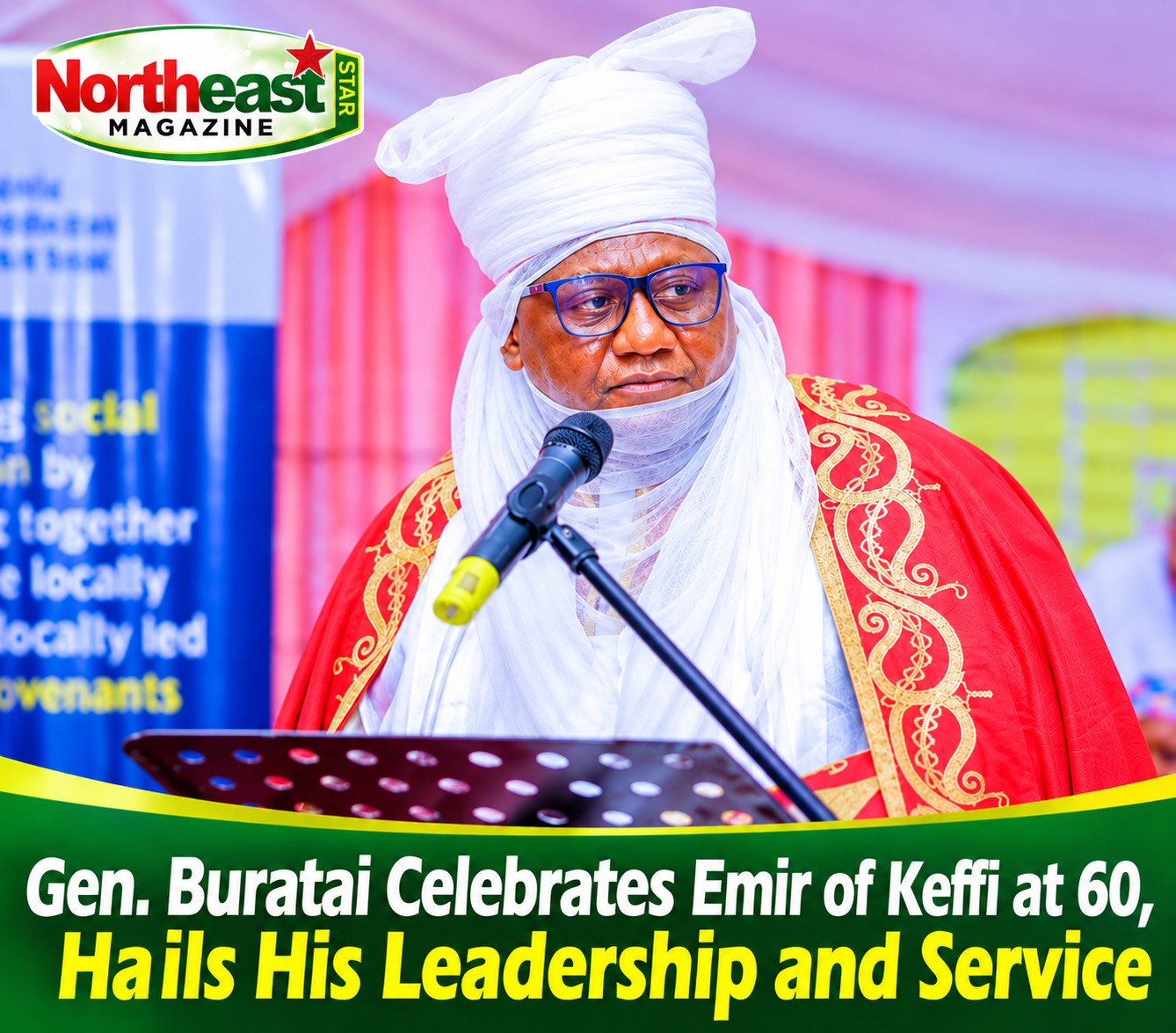
Former Chief of Army Staff, Lieutenant General Tukur Yusufu Buratai (Rtd), has congratulated the Emir of Keffi, His Royal Highness, Alhaji Dr Shehu Chindo Yamusa III, on his 60th birthday, describing the milestone as an occasion to celebrate a life of dedicated leadership and service to humanity.
Buratai, who holds the traditional title of Garkuwan Keffi, conveyed his felicitations in a congratulatory message made available to journalists in Abuja on Friday by Brigadier General Sani Usman Kuka-Sheka (Rtd).
He described the monarch’s 60 years as a period marked by wisdom, commitment to traditional leadership and unwavering dedication to the unity, welfare and development of the Keffi Emirate.
According to him, the Emir has continued to demonstrate dignity, maturity and a strong sense of responsibility in providing leadership to his people.
Buratai also commended the monarch’s contribution to education and intellectual development through his position as Chancellor of Nasarawa State University, Keffi, noting that his role underscores the importance of traditional institutions in promoting educational advancement and societal progress.
The former Army Chief expressed gratitude to Almighty Allah for preserving the Emir and granting him the opportunity to attain the milestone, while praying for continued good health, wisdom and strength.
He further prayed that the monarch would enjoy many more years of fruitful service to the Keffi Emirate, Nasarawa State and Nigeria.
Buratai also joined the Emir’s family, the traditional institution and the people of Keffi in celebrating the occasion, wishing the monarch a peaceful, fulfilling and impactful reign.
He reaffirmed his respect, goodwill and solidarity with the Emir and the entire Keffi Emirate.
By Auwal Ahmad, Abuja
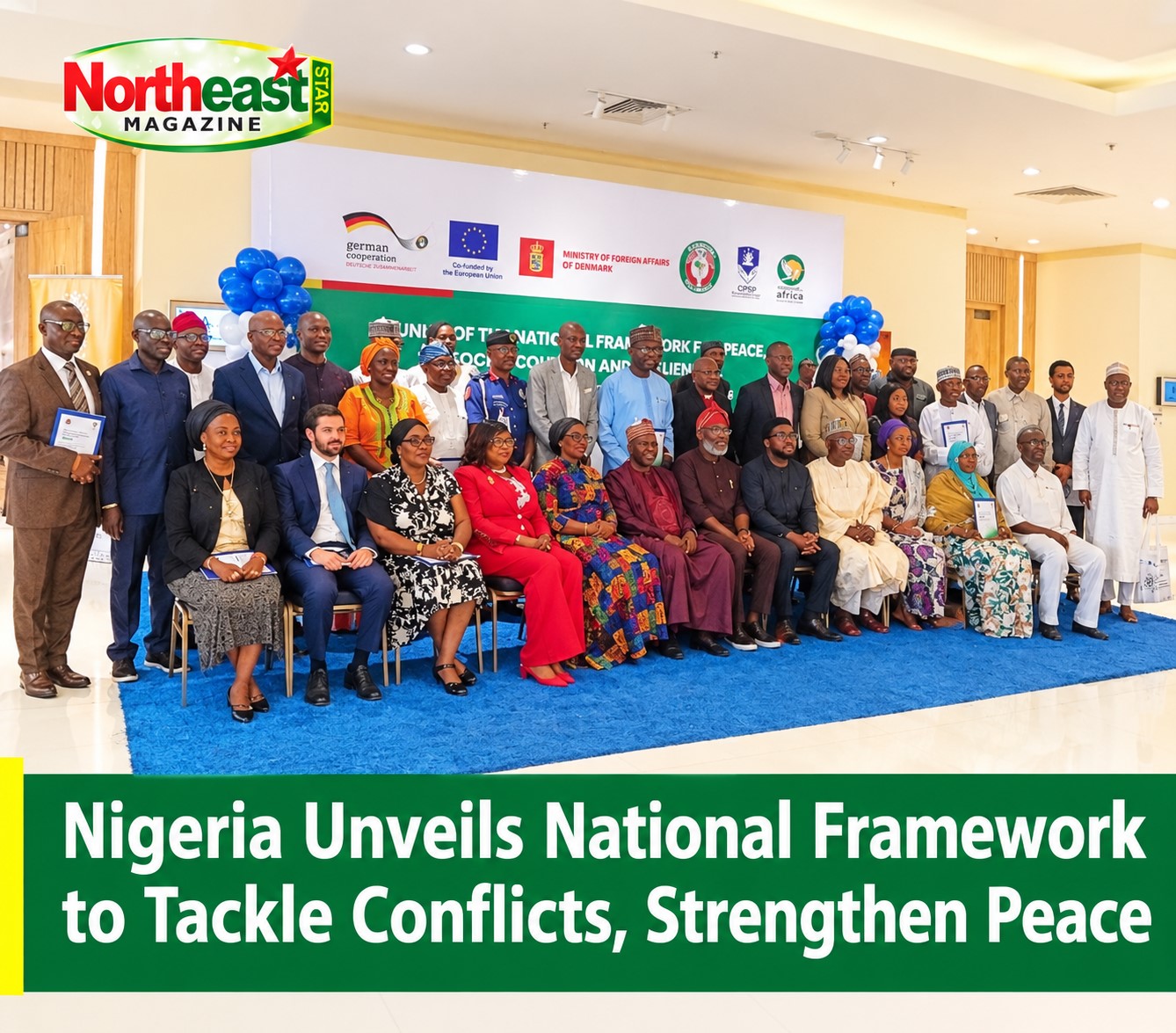
The Federal Government has launched a national framework to strengthen conflict prevention and address the underlying causes of insecurity, amid persistent security and humanitarian challenges across Nigeria.
The National Framework for Peace, Social Cohesion and Resilience is intended to provide a common strategy for government institutions, security agencies, state governments and non-governmental organisations to coordinate peacebuilding initiatives and prevent disputes from escalating into violence.
The framework was unveiled on Thursday at the Abuja Continental Hotel by the Office for Strategic Preparedness and Resilience (OSPRE) in partnership with Triple Peace Africa.
The launch brought together government officials, representatives of the Economic Community of West African States (ECOWAS), state peace commissions, security institutions, civil society organisations and development partners.
Supported by the European Union (EU) and the German development agency, Deutsche Gesellschaft für Internationale Zusammenarbeit (GIZ), the framework was developed through consultations lasting more than a year.
The process involved federal and state institutions, security agencies, traditional and religious leaders, civil society organisations and peacebuilding practitioners.
The framework seeks to establish a coordinated system linking early warning mechanisms, conflict prevention, timely response, dispute resolution and community resilience.
Speaking at the event, the Director-General of OSPRE, Chris Ngwodo, said the initiative reflected a growing recognition that sustainable peace could not be achieved through government action alone.
Mr Ngwodo said the process began in 2025 as an effort to review the country’s existing National Peace Policy but evolved into a broader framework following consultations on Nigeria’s changing security and governance challenges.
He said the document represented a consensus among stakeholders on the institutional arrangements and priorities required to strengthen peacebuilding across the country.
In his keynote address, the Special Adviser to the President on Homeland Security, Adeyinka Famadewa, a retired major general, said military operations and law enforcement measures were insufficient to address the factors sustaining conflicts.
“Peace cannot be secured by military and law enforcement measures alone. Sustainable security requires functioning institutions, responsive governance, social trust, credible mechanisms for resolving disputes, and communities equipped with the capacities to prevent and withstand crises,” he said.
Mr Famadewa said the framework would help address the disconnect between conventional security operations and civilian-led peacebuilding by improving coordination among federal, state and local institutions.
He also said it would complement the National Threat Assessment and Strategic Defence Operations Plan directed by President Bola Tinubu, providing a broader approach to national security that incorporates governance, institutional capacity and community participation.
The Minister of Humanitarian Affairs and Poverty Reduction, Bernard Doro, said the framework was relevant to addressing humanitarian challenges, including displacement, loss of livelihoods and the vulnerability of communities affected by violence.
Mr Doro said humanitarian interventions would have limited long-term impact without efforts to address the factors responsible for insecurity.
He called for stronger cooperation among government agencies, humanitarian organisations, peacebuilding groups and development partners.
The Director-General of the National Boundary Commission, Adamu Adaji, drew attention to the security challenges confronting Nigeria’s border communities, particularly competition over natural resources, cross-border movements and communal tensions.
He said the framework could strengthen the integration of early warning and community-based conflict prevention into border management, while improving cooperation among relevant institutions and affected communities.
Similarly, the Special Assistant to the President on Humanitarian Affairs and Development Partners in the Office of the Vice-President, Inna Audu, said peacebuilding should form part of national development planning and humanitarian interventions.
She emphasised the need for better coordination between government priorities and development partners’ programmes, particularly in communities experiencing conflict, displacement and economic vulnerability.
Earlier, the Executive Director of Triple Peace Africa, Paul Nyulaku, said the framework emerged from consultations involving institutions and practitioners with different responsibilities and experiences in peacebuilding.
He described the document as a product of collective contributions from institutions, practitioners and communities across Nigeria.
The launch is expected to be followed by efforts to secure institutional adoption, coordinate implementation and develop mechanisms for translating the framework’s objectives into practical interventions.
However, its effectiveness will depend on how participating institutions incorporate its principles into their operations, coordinate their activities and sustain the resources required for implementation.
OSPRE and Triple Peace Africa said the initiative was intended to make peacebuilding an integral part of governance, national security and sustainable development.

By Auwal Umar, Gombe
Gombe State Governor, Muhammadu Inuwa Yahaya, has urged Nigerian journalists to leverage emerging technologies to improve the speed, efficiency and quality of news delivery while preserving professional judgment, ethical standards and their responsibility to the public.
The governor also called on Media Trust Group to sustain its reputation for integrity, credibility and responsible journalism while exploring new approaches to media production and audience engagement.
Inuwa Yahaya made the call on Thursday at the official launch of Media Trust Group’s Converged Newsroom at the organisation’s corporate headquarters in Abuja, where he was represented by his deputy, Manassah Daniel Jatau.
The facility brings together the editorial operations of the media organisation’s print, television, radio and digital platforms under a unified system designed to improve coordination and accelerate news delivery.
The governor commended Media Trust’s transition from traditional print journalism to a multimedia operation, describing it as evidence of vision, adaptability and commitment to the changing demands of the media industry.
He, however, cautioned that technological advancement must complement rather than replace the critical thinking, professional judgment and public service obligations of journalists.
“Journalists must take advantage of technology to improve their work, but they must not allow technology to take over their functions. Rather, they should use it to simplify processes, improve efficiency and strengthen the quality of their output,” he said.
Inuwa Yahaya further urged the media organisation to devote greater editorial attention to public education, particularly in modern agricultural practices, climate change and sustainable food production.
He said increased media coverage of these issues, especially in Northern Nigeria, could help farmers abandon outdated methods, adopt improved agricultural techniques and contribute more effectively to food security and economic growth.
The governor also reaffirmed his administration’s commitment to sustaining and strengthening its longstanding partnership with Media Trust Group, describing the relationship as mutually beneficial.
Speaking at the event, Deputy President of the Senate, Senator Barau Jibrin, praised Media Trust for embracing innovation and responding proactively to changes in the media landscape.
He described the converged newsroom as a commendable initiative that demonstrates the importance of adapting to evolving realities in the industry.
Similarly, the Minister of Information and National Orientation, Mohammed Idris, commended Media Trust founder, Kabiru Yusuf, for his vision, consistency and dedication to building a respected media institution.
Idris reaffirmed the Federal Government’s commitment to press freedom and responsible journalism, noting that the media remains an essential public service that must be guided by professionalism, accuracy and accountability.
He challenged Media Trust to transform the new facility into a centre of excellence capable of setting benchmarks for technological innovation, ethical reporting and effective public engagement.
Earlier, the Chairman of the Media Trust Group Board described the converged newsroom as a pioneering initiative, which he said was the first of its kind in West Africa.
He explained that the facility combines technology, collaboration and audience data to strengthen editorial operations and foster closer relationships with readers, viewers and listeners.
According to the organisation, the integrated newsroom brings together Daily Trust, Weekend Trust, Aminiya, Teen Trust, Trust TV, Trust Radio and Digital Trust under one operational framework.
The system is expected to improve collaboration among editorial teams, strengthen coordination and enable faster delivery of news across the group’s various platforms.
In his vote of thanks, the Group Chief Executive Officer and Editor-in-Chief, Ahmed Shekarau, expressed appreciation to the Gombe State Government and other participating state governments for their enduring partnerships with the organisation.
Shekarau specifically acknowledged the invitations extended to Gombe, Jigawa, Borno, Yobe and Taraba states, describing them as recognition of the longstanding and mutually beneficial relationships between the media group and the respective governments.
He assured audiences, clients and other stakeholders that Media Trust would continue to innovate, improve its services and strengthen its capacity to respond to their changing needs.

Sen. Dankwambo Under Fire Over ₦175m Pledge as CSO Chair Questions Timing Ahead of Election

2027: Pantami Pledges Accountable Governance, Vows to Tackle Poverty in Gombe

APC Rally: DCP Ahmad Pledges New Direction for Gombe Central, Backs Gwamna for Governor

APC National Chairman Settles Gombe Central Contest, Raises DCP Ahmed’s Hand as Party’s Senatorial Candidate

NGX Ends Week in the Green as ₦1.54 Trillion Boosts Investors’ Fortunes

Gombe Eyes Livestock-Led Economic Growth as Inuwa Yahaya Meets Minister

-
 Politics5 months ago
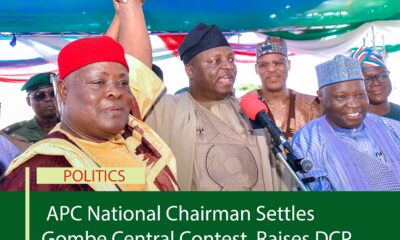
APC National Chairman Settles Gombe Central Contest, Raises DCP Ahmed’s Hand as Party’s Senatorial Candidate
-
 Economy11 months ago
NGX Ends Week in the Green as ₦1.54 Trillion Boosts Investors’ Fortunes
-
 Agriculture4 months ago
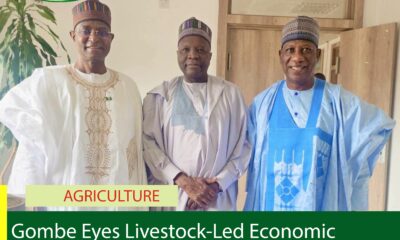
Gombe Eyes Livestock-Led Economic Growth as Inuwa Yahaya Meets Minister
-

 Education11 months ago
Dangote Launches Landmark ₦1 Trillion Scholarship Scheme to Support 1.3 Million Nigerian Students
-
 Sport7 months ago
Gombe Aquatic Sports Body Unveils Board, Sets Stage for Competitive Debut
-

 Economy11 months ago
CBN’s End to Cash Withdrawal Limit
-

 Striking the Balance4 months ago
The $2,500 Threshold: Why Raising Nigeria’s GDP Per Capita Is Our Best Non-Kinetic Strategy for Peace
-

 Environment5 months ago
World Environment Day: NGO Urges Nigerians to Embrace Nature-Based Solutions Against Climate Change