
Borno
Borno’s Cholera Crisis Deepens as Cases Surge Beyond 4,200, Exposing Public Health Challenges

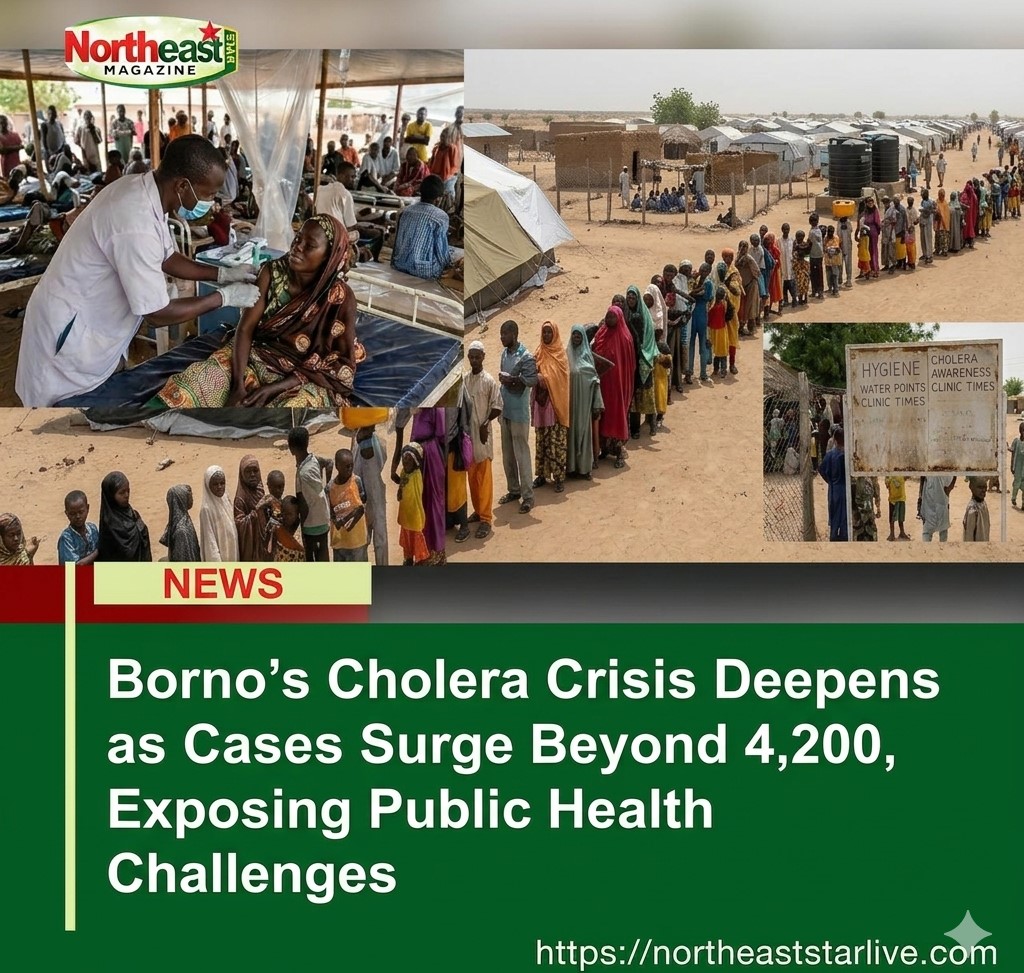
Borno’s Cholera Crisis Deepens as Cases Surge Beyond 4,200, Exposing Public Health Challenges
By Tada Jutha, Maiduguri
A fresh wave of cholera infections sweeping across Borno State has heightened concerns among health authorities and residents, with more than 4,200 suspected cases and 39 deaths recorded within weeks of the outbreak.
The alarming figures underscore the scale of a public health emergency that is stretching healthcare resources and prompting urgent interventions from the state government and development partners.
Health officials disclosed that the disease continues to spread rapidly across affected communities, with 274 new suspected cases recorded within a single day, raising fears that the outbreak could worsen if preventive measures are not strengthened.
The latest update was presented during a sensitisation meeting in Maiduguri, where officials from the state government, local government councils, and health stakeholders gathered to review response efforts and strategies for containing the disease.
A Rapidly Expanding Outbreak
Speaking at the meeting, the incident manager of the Public Health Emergency Operations Centre, Dr. Jacob Thlizer, said the outbreak has affected dozens of communities across several local government areas.
According to him, health officials have documented a total of 4,204 suspected cholera cases from 36 wards across ten affected local government areas.
“New suspected cases in the last 24 hours are 274, while the total suspected cases line listed are 4,204 recorded from 36 wards in the affected local governments,” Dr Thlizer said.
He added that the outbreak has so far claimed 39 lives.
Data presented by the health authorities showed that Maiduguri Metropolitan Council (MMC) remains the epicentre of the outbreak, accounting for 2,404 cases, followed by Jere with 1,214 cases. Other affected areas include Konduga, Mafa, Monguno, Kaga, Kwaya Kusar, Bama, Magumeri and Ngala.
The concentration of cases in urban and peri-urban communities has renewed concerns over sanitation, access to clean water, and population density, particularly in areas still recovering from years of conflict and displacement.
Government Activates Emergency Response
As infections continue to rise, authorities say they have already activated emergency measures to curb the spread of the highly contagious disease.
Dr. Thlizer noted that the state government had mobilised health actors and activated the Incident Management System to coordinate response activities.
“The state government has activated IMS, coordinated meetings with all health actors in the state, awareness creation in hotspot locations, and procurement of commodities,” he explained.
Health workers have intensified community sensitisation campaigns, while they are also distributing emergency supplies, including treatment materials and medical consumables, to affected locations.
The outbreak comes at a time when many communities in Borno are grappling with fragile healthcare systems and inadequate access to safe drinking water, conditions that often create fertile ground for water-borne diseases.
Expanding Treatment Capacity
To manage the growing number of patients, the Borno State Ministry of Health and Human Services says it has expanded treatment facilities and established specialised centres for cholera care.
Permanent Secretary of the ministry, Shetima Muhammad revealed that the government had set up dedicated treatment centres to accommodate patients and reduce pressure on existing hospitals.
“The Ministry of Health has established dedicated health centres, namely the emergency and infectious disease centre in Njimtilo and an infectious disease camp with over 1,000 beds at Ngarannam to treat the affected people,” he said.
Mr Muhammad also disclosed that Governor Babagana Umara Zulum had approved the distribution of medicines and medical consumables to camps and treatment facilities handling cholera patients.
“The Executive Governor of Borno State, Professor Babagana Umara Zulum, has already listed camps where drugs and consumables will be delivered to people that are taken there,” he added.
Health experts say rapid treatment remains critical because cholera can lead to severe dehydration and death within hours if left untreated.
Residents Urged to Prioritise Hygiene
Officials are also intensifying public awareness campaigns, urging residents to maintain strict hygiene practices and seek immediate medical attention whenever symptoms appear.
Common symptoms include acute watery diarrhoea, vomiting and severe dehydration.
Authorities have encouraged communities to ensure proper handwashing, consume safe drinking water, and promptly report suspected cases to nearby health facilities.
For many residents, however, access to clean water remains a challenge, particularly in overcrowded settlements and communities hosting displaced populations.
Public health specialists warn that unless sanitation conditions improve and preventive messages reach vulnerable communities, the outbreak could continue to spread despite ongoing treatment efforts.
A Call for Collective Action
The Secretary to the Borno State Government, Bukar Tijani, said the administration remains committed to supporting healthcare institutions and frontline workers battling the outbreak.
“I want to thank you and commend your efforts. I would like to mention that if there are any issues anywhere, please let us know so that we can confront this menace,” Mr Tijani said.
“In the last three or four days, many efforts have been made, and I believe that this sensitisation is also a great step,” he added.
As Borno races to contain the outbreak, health officials insist that government intervention alone will not be enough. They argue that community cooperation, improved hygiene practices and early reporting of symptoms will determine whether the state can prevent the disease from escalating into a larger humanitarian crisis.
For now, the numbers continue to climb, serving as a stark reminder of the public health vulnerabilities that persist in a state still rebuilding from years of conflict and displacement.
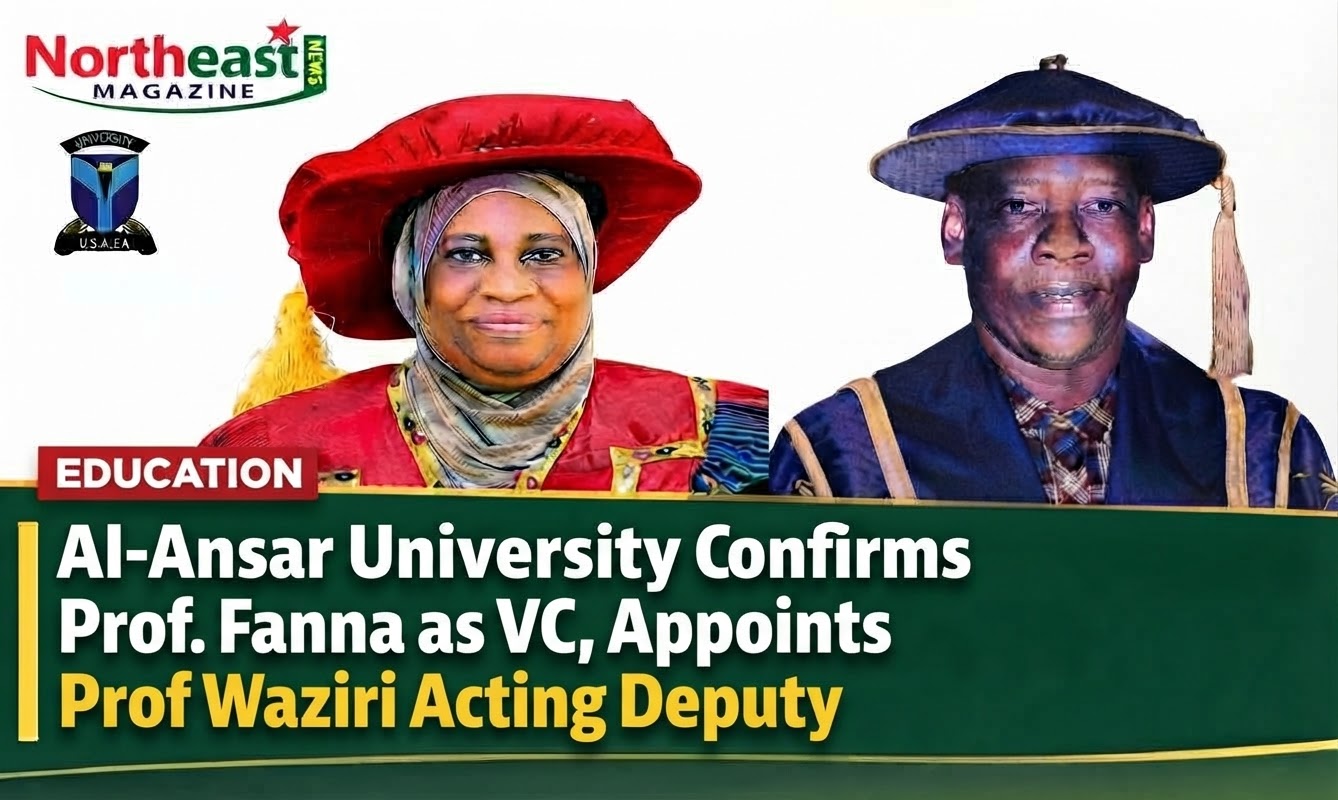
By Auwal Ahmad Umar
The university says the appointments are part of efforts to strengthen research, innovation, scholarship opportunities and institutional growth.
Al-Ansar University, Maiduguri, Borno State, has confirmed Professor Fanna Inna Abdulrahman as its substantive vice-chancellor and appointed Engr. Professor Baba Shehu Waziri as acting deputy vice-chancellor in charge of advancement, research, innovation, scholarship and enrolment.
The appointments, announced in a statement issued by the university’s management on Saturday, are expected to strengthen the institution’s leadership and expand its capacity for research, innovation and sustainable development.
While Professor Abdulrahman’s appointment was approved by the Board of Trustees, chaired by Alhaji Mohammed Adam, MFR, the Governing Council approved Professor Waziri’s appointment at its sixth special meeting on Friday, October 9, 2026.
Professor Abdulrahman, who has served as acting vice-chancellor since September 8, 2025, will hold the substantive position for a three-year tenure ending September 7, 2028. Her period as acting vice-chancellor forms part of the approved tenure.
As the university’s chief executive and chief academic officer, she will oversee academic administration, research, institutional governance, financial management and staff and student welfare.
The university said her appointment recognised her leadership, administrative competence and contributions to its development.
Professor Waziri, a professor in the Department of Civil and Water Resources Engineering at the University of Maiduguri, will assume his new role on November 1, 2026, for an initial one-year tenure ending October 31, 2027.
His appointment introduces a dedicated leadership portfolio for Advancement, Research, Innovation, Scholarship and Enrolment, known as ARISE, which the university hopes will help attract investment, strengthen research partnerships and widen access to higher education.
Under the arrangement, Professor Waziri is expected to work with the vice-chancellor and other principal officers to attract research grants, establish partnerships with local and international institutions, promote technological innovation and mobilise resources for the university’s development.
The office will also focus on expanding scholarships and educational sponsorships for deserving students, as well as developing strategies to increase enrolment.
The university said the initiative was designed to strengthen its institutional capacity through strategic partnerships, measurable targets and sustainable resource mobilisation.
Speaking on the appointments, the founder and proprietor of the university, Dr. Mohammed Kyari Dikwa, mni, congratulated the two academics and described their emergence as an important step towards realising the institution’s long-term vision.
“The University was established not merely to award degrees, but to nurture knowledgeable, morally upright, innovative and socially responsible graduates capable of contributing meaningfully to national development and humanity,” the statement quoted the founder as saying.
Dr. Dikwa, who is also the president of the Al-Ansar Foundation, said the institution was founded on the principles of knowledge, character, innovation and service to humanity.
He stressed the need to strengthen research, expand scholarship opportunities, attract development partners and improve access to quality education while ensuring the university’s financial sustainability and competitiveness.
The founder expressed confidence that the two appointments would create opportunities for institutional transformation and improved academic performance.
The university said it remained committed to providing an enabling environment for teaching, learning, research, entrepreneurship and character development, with a broader mission to contribute to the educational and socio-economic development of Borno State, the North-East and Nigeria.
The appointments come as the institution seeks to consolidate its academic programmes, strengthen governance and expand support for students.
The university’s management congratulated both appointees and expressed hope that their leadership would contribute to its continued growth and academic excellence.

By Tada Jutha, Maiduguri
The Borno State Council of the Nigeria Union of Journalists (NUJ) has called on the Independent National Electoral Commission (INEC) to provide journalists with adequate knowledge of electoral laws and procedures ahead of the 2027 general elections.
The council made the call on Wednesday in Maiduguri when the Resident Electoral Commissioner (REC) in Borno State, Alhaji Ibrahim Abdullahi, visited the NUJ secretariat.
The NUJ Chairman, Comrade Abdulkareem Haruna, said better understanding of the electoral process among journalists would promote accurate, balanced and professional reporting before, during and after the elections.
Mr Haruna pledged the council’s cooperation with INEC to ensure comprehensive coverage of electoral activities and support initiatives aimed at promoting credible elections through responsible journalism.
He described the REC’s visit as an important step towards strengthening the relationship between the electoral commission and the media.
According to him, sustained engagement between INEC and journalists would deepen understanding of electoral procedures and help the public access reliable information.
Responding, Mr Abdullahi pledged to strengthen collaboration with the media to ensure accurate electoral information reaches the electorate throughout the electoral process.
He urged journalists to verify electoral information through INEC and other authoritative sources rather than relying solely on social media.
The REC said journalists had a critical role in educating voters on electoral procedures and urged them to obtain adequate knowledge of relevant electoral laws to enable them report objectively.
He assured journalists that his office remained open to enquiries, clarifications and engagements on matters concerning the electoral process.
Mr Abdullahi said effective communication between INEC and the media would help reduce misinformation and improve public understanding of electoral procedures ahead of the 2027 elections.
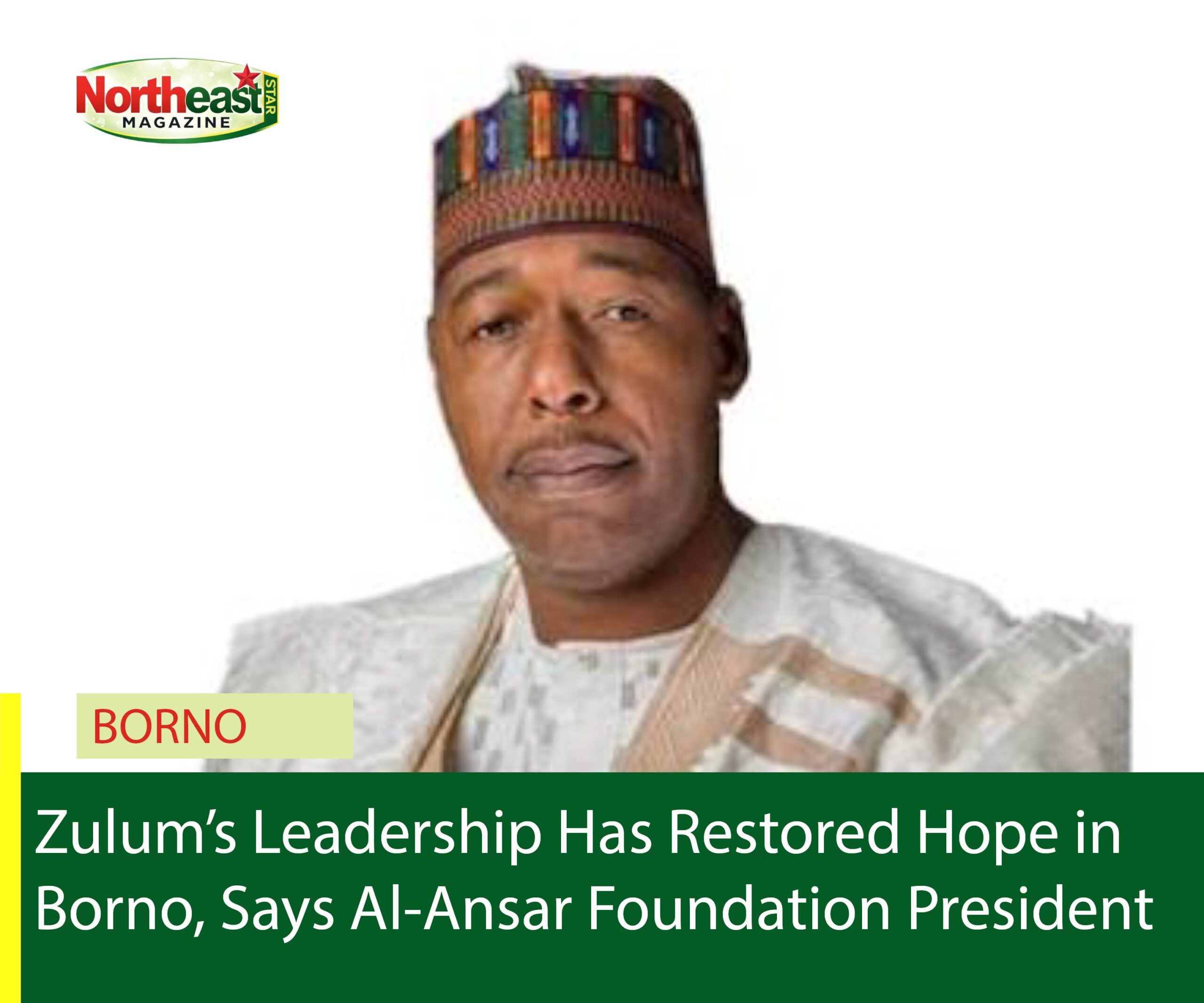
By Auwal Umar, Gombe
The Founder and President of the Al-Ansar Foundation, Dr Mohammed Kyari Dikwa, has commended Borno State Governor, Professor Babagana Umara Zulum, for his administration’s efforts to rebuild the state, restore public confidence and improve the lives of residents affected by years of insurgency.
Dr Dikwa said Governor Zulum’s approach to governance had gone beyond physical reconstruction to include restoring hope, expanding access to education and healthcare, supporting vulnerable citizens and creating conditions for sustainable development.
He made the assessment in a statement issued to mark the governor’s 57th birthday.
According to him, Borno State has faced enormous challenges arising from insurgency, including mass displacement, destruction of communities and infrastructure and prolonged humanitarian needs.
He, however, said the administration had responded through interventions in reconstruction, resettlement, education, healthcare, agriculture, housing, road infrastructure and urban development.
“Governor Zulum has demonstrated resilience, courage and compassion in leading Borno through one of the most challenging periods in its history,” Dr Dikwa said.
He particularly highlighted the administration’s investments in education, including the rehabilitation and reconstruction of schools affected by insurgency.
Dr Dikwa said the investments would have a lasting impact by giving children from affected communities access to learning opportunities and helping to rebuild the future of the state.
He also commended efforts to strengthen healthcare delivery, support vulnerable citizens and rebuild critical infrastructure as part of the transition from conflict and displacement to recovery and sustainable development.
“The true measure of leadership lies not only in the number of roads, schools, hospitals or buildings constructed, but also in the lives transformed, communities restored, children given opportunities and hope restored to those who have suffered,” he said.
The Al-Ansar Foundation president said the restoration of hope among people who had endured years of violence and displacement remained one of the important indicators of effective leadership.
He reminded public office holders that leadership is an Amanah — a sacred trust from Almighty Allah — requiring justice, accountability, compassion and sincere service to humanity.
Dr Dikwa called for continued efforts to strengthen peace, security, unity and stability in Borno State and Nigeria, particularly as the state approaches another political transition.
He prayed for wisdom, strength, good health and divine guidance for Governor Zulum to enable him complete the programmes and projects initiated by his administration.
He also prayed for Allah’s protection over the governor and his family and for lasting peace, prosperity and development across Borno State.
“Public offices are temporary, but the consequences of good leadership can endure for generations,” Dr Dikwa said.
He expressed hope that Governor Zulum’s years in office would be remembered for courage, compassion, purposeful leadership and meaningful service to the people.

Nigeria Must Embrace Intelligence, Technology to Tackle Security Threats – Defence Minister

Nigerian Army Moves to Strengthen Aviation Safety, Aircraft Reliability

Rule of Law, Nigeria’s only hope of survival (1)

APC National Chairman Settles Gombe Central Contest, Raises DCP Ahmed’s Hand as Party’s Senatorial Candidate

Gombe Eyes Livestock-Led Economic Growth as Inuwa Yahaya Meets Minister

NGX Ends Week in the Green as ₦1.54 Trillion Boosts Investors’ Fortunes

-
 Politics4 months ago
APC National Chairman Settles Gombe Central Contest, Raises DCP Ahmed’s Hand as Party’s Senatorial Candidate
-
 Agriculture2 months ago
Gombe Eyes Livestock-Led Economic Growth as Inuwa Yahaya Meets Minister
-
 Economy10 months ago
NGX Ends Week in the Green as ₦1.54 Trillion Boosts Investors’ Fortunes
-
 Sport6 months ago
Gombe Aquatic Sports Body Unveils Board, Sets Stage for Competitive Debut
-

 Economy10 months ago
CBN’s End to Cash Withdrawal Limit
-

 Education10 months ago
Dangote Launches Landmark ₦1 Trillion Scholarship Scheme to Support 1.3 Million Nigerian Students
-

 Striking the Balance3 months ago
The $2,500 Threshold: Why Raising Nigeria’s GDP Per Capita Is Our Best Non-Kinetic Strategy for Peace
-

 Environment4 months ago
World Environment Day: NGO Urges Nigerians to Embrace Nature-Based Solutions Against Climate Change