
Latest News
Fresh Terror in Borno: Insurgents Kill Civilians in Ngoshe, Burn Konduga Military Base

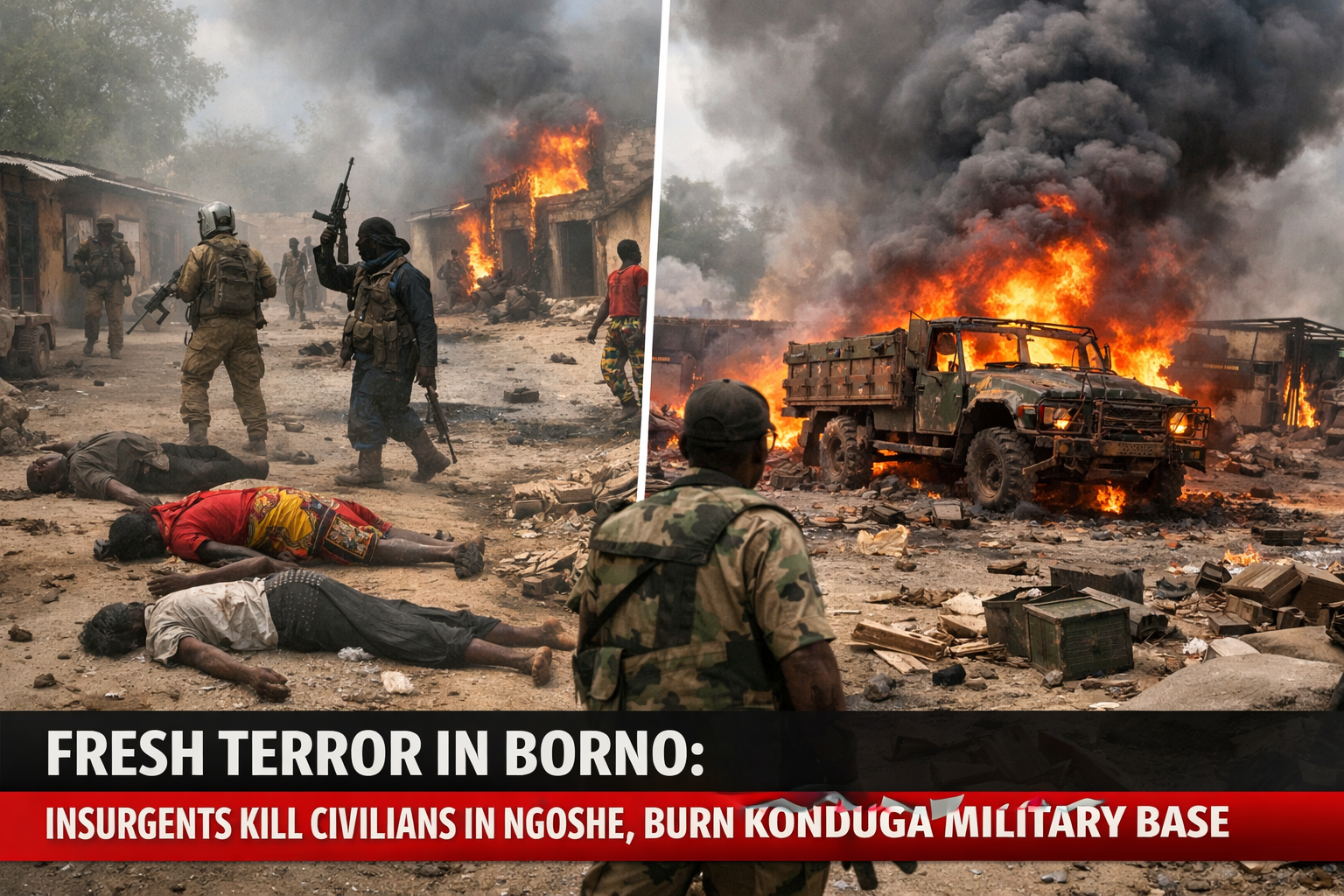
Fresh Terror in Borno: Insurgents Kill Civilians in Ngoshe, Burn Konduga Military Base
By Umar Ahmad
Communities in Borno State have again been shaken by fresh attacks from suspected Boko Haram insurgents, with deadly assaults reported in Ngoshe, Gwoza Local Government Area, and Konduga Local Government Area.
In Ngoshe, residents were jolted awake around 1:00 a.m. on Wednesday when armed insurgents launched a surprise attack on a military position in the town before turning their assault on civilians.
Local sources said the attackers overwhelmed the soldiers during the confrontation and then moved into parts of the community, shooting sporadically and setting houses on fire.
Several civilians were reportedly killed during the chaos, while a number of women were abducted by the insurgents.
Many residents fled their homes in fear as the attackers wreaked havoc across the town.
Preliminary reports also indicated that about nine soldiers may have lost their lives during the fierce exchange of gunfire, although security authorities have yet to officially confirm the casualty figure.
Senator Mohammed Ali Ndume, representing Borno South Senatorial District, confirmed that the attack resulted in deaths and abductions, adding that many residents are still unaccounted for.
Early reports suggest that more than 300 people may be missing or abducted following the raid.
Meanwhile, a separate security incident was also reported in Konduga Local Government Area.
According to security updates from local sources, armed opposition groups (AOGs) attacked a military base in Konduga on March 5, 2026.
During the assault, the attackers reportedly overpowered the troops and dislodged the base.
Tragically, the Commanding Officer (CO) of the Konduga formation was said to have been killed while attempting to escape after the insurgents gained control of the base.
Sources further disclosed that the attackers set the military facility on fire, leaving the base completely destroyed.
Although the insurgents have reportedly withdrawn from the area, the security situation in Konduga remains tense, with authorities closely monitoring developments.
Security forces have since taken control of the affected areas while efforts continue to track the attackers and provide humanitarian assistance to residents displaced by the violence.
The latest incidents have renewed concerns over security challenges in parts of Borno State, with residents calling for stronger military operations and improved protection for vulnerable communities across the region.
Latest News
VentCope Reaches Over 400 Displaced Persons with Mental Health Support in Abuja, Adamawa

By Auwal Ahmad Umar
The Vent Cope Relief Initiative (VentCope) has reached more than 400 people in five internally displaced persons (IDP) and resettlement communities in Abuja and Adamawa State with mental health awareness and psychosocial education.
The initiative was organised to commemorate the 2026 World Mental Health Day and the International Day for Disaster Risk Reduction, with support from SelvedgePsych and Mutaru Development Initiative.
The outreach covered Wassa IDP Settlement in Abuja, as well as Damare IDP Camp, Fombina IDP Camp, Salama Resettlement Camp and Labondo Integration Settlement in Adamawa State.
The sessions were designed to help participants understand the emotional and psychological challenges associated with displacement and other adverse experiences, including how these challenges can affect their wellbeing, daily activities and ability to cope with difficult circumstances.
Participants were also sensitised to the importance of psychosocial recovery, particularly for individuals and families who continue to experience emotional distress and other difficulties long after the immediate effects of a crisis have subsided.
The programme aligned with the 2026 World Mental Health Day theme, “Lived experiences heard: real voices, real change,” which emphasises the need to listen to people’s experiences and recognise their mental health needs.
Speaking on the initiative, Sharon Yabilsu-Guyuk, Executive Director of VentCope, said recovery from adversity should go beyond physical survival to include emotional wellbeing and the ability to rebuild lives.
“Surviving adversity is important, but it is not the end of the recovery journey. People can continue to experience distress and face difficulties in their everyday lives long after the immediate crisis has passed,” she said.
Yabilsu-Guyuk stressed the need to give greater attention to psychosocial recovery, noting that people affected by difficult experiences require support to cope with their challenges, regain their ability to function and rebuild their lives.
She added that mental health and psychosocial support should not be overlooked in efforts to assist people affected by displacement and other crises.
The activities marking the International Day for Disaster Risk Reduction also examined the concept of home beyond the provision of physical shelter.
Reflecting the 2026 theme, “Resilience Starts at Home,” discussions highlighted how home represents more than a place to live, particularly for displaced people who may have lost their familiar surroundings and support networks.
For affected individuals and families, home can also represent safety, meaningful relationships, family connections, belonging and a sense of emotional stability — aspects of life that displacement can disrupt.
The outreach underscored the importance of integrating mental health awareness and psychosocial support into humanitarian responses, particularly for displaced populations who may continue to face emotional and social difficulties long after emergencies have ended.
Through the initiative, VentCope and its partners sought to draw attention to the need for sustained support that enables affected communities not only to overcome immediate crises but also to recover, regain stability and rebuild their lives.
By Tada Jutha, Maiduguri
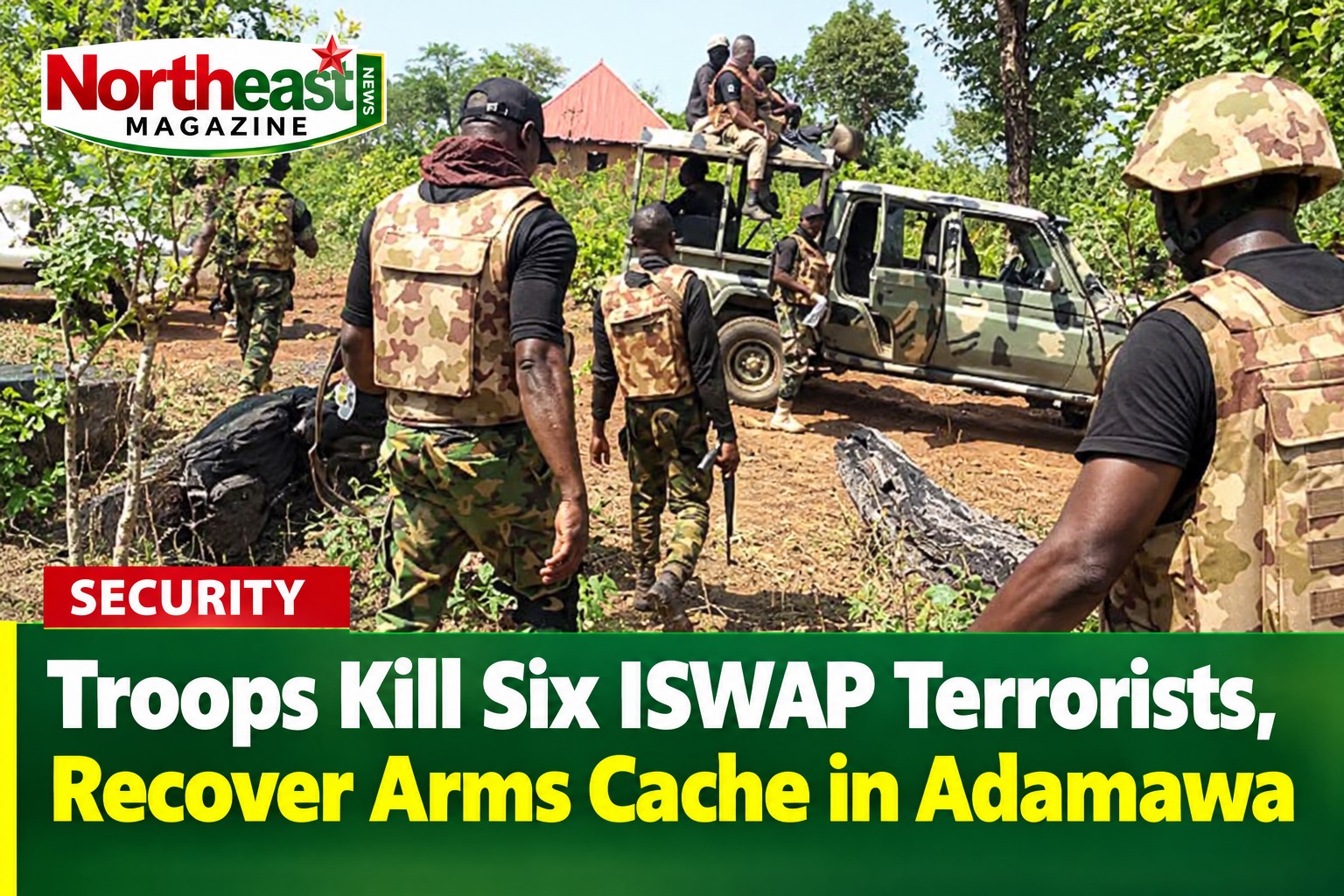
Troops of Operation Hadin Kai (OPHK) have killed six suspected insurgents and recovered a cache of weapons and ammunition after repelling an attack on a military base in Garaha community, Hong Local Government Area of Adamawa State.
The attack targeted the Forward Operating Base (FOB) Garaha at about 9:07 p.m., when suspected Boko Haram and Islamic State West Africa Province (ISWAP) fighters advanced on foot from the LAR axis in an attempt to overrun the military position.
The military said the troops responded with superior firepower and coordinated tactics, forcing the attackers to retreat after an exchange of gunfire that lasted about two hours.
In a statement issued on Tuesday in Tola, the Media Information Officer of Operation Hadin Kai, Lt. Col. Sani Uba Goni, said the troops successfully repelled the assault and recovered weapons and other military equipment.
A subsequent search of the area, he said, led to the discovery of six insurgent corpses, confirming the number of terrorists killed during the encounter.
The recovered weapons included one PKT machine gun, three ammunition belts containing 67 rounds, six AK-47 rifles, 11 AK-47 magazines, 157 rounds of 7.62mm NATO ammunition, 120 rounds of 7.62mm special ammunition and one 60mm mortar bomb.
Other items recovered from the scene were an Infinix Android phone, a Canon portable video recorder, three camelback water bags, a magazine carrier and assorted clothing.
Although some soldiers sustained injuries during the confrontation, the military said the affected personnel were receiving medical attention, while arrangements were being made for their evacuation where necessary.
The troops have since intensified surveillance and search operations around the area to prevent further attacks and identify or recover additional items of operational importance.
The military described the successful defence of the base as a demonstration of the troops’ combat readiness and determination to prevent insurgents from overrunning their positions in the North-East.
It added that Operation Hadin Kai would continue to conduct intelligence-led operations to restrict the movement of insurgents, protect vulnerable communities and support efforts to restore lasting peace and security across the region.
By Auwal Ahmad Umar
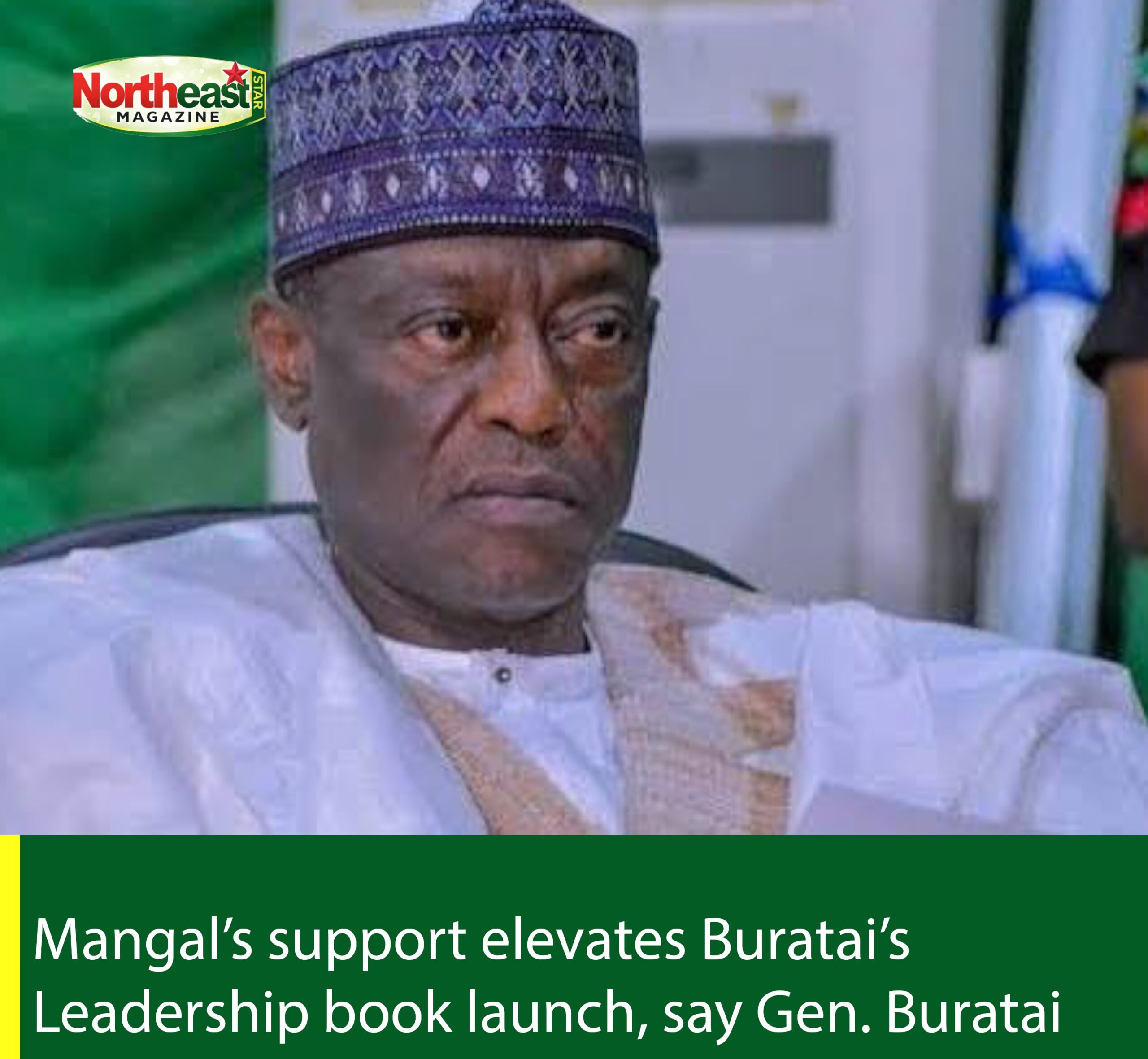
Former Chief of Army Staff, Lieutenant General Tukur Yusufu Buratai (Rtd), has expressed appreciation to Alhaji Dr. Dahiru Barau Mangal, CON, for his support towards the launch of Transformational Leadership in Action: The Buratai Era.
Mangal, founder of and a prominent businessman with interests spanning aviation, oil and gas, was the Chief Launcher of the book.
He was represented at the event by Alhaji Inuwa Baba, CON, a former presidential aide who served under multiple administrations.
Buratai described Mangal’s support as a significant contribution to the success of the book launch, noting that his participation added value to an occasion centred on leadership, service and national development.
The former Army Chief also acknowledged Mangal’s contributions to Nigeria’s private sector and his philanthropic activities across the country.
According to Buratai, Mangal’s entrepreneurial journey and commitment to supporting initiatives of national importance reflect some of the leadership values highlighted in the book.
“His support for the launch of Transformational Leadership in Action: The Buratai Era elevates the occasion beyond measure,” Buratai said.
He expressed gratitude to Mangal for accepting to serve as Chief Launcher and for his continued support.
“We are deeply grateful, Chief Launcher, for your presence and your support,” Buratai added.

2027: NAAM Questions INEC Over Exclusion of Pantami, Adebutu, Others

2027: Tompolo’s Movement Launches Gombe Chapter, Deploys 26 Campaign Vehicles

UNICEF Delivers 11,518 Cartons of Life-Saving Food to Gombe to Combat Child Malnutrition

APC National Chairman Settles Gombe Central Contest, Raises DCP Ahmed’s Hand as Party’s Senatorial Candidate

NGX Ends Week in the Green as ₦1.54 Trillion Boosts Investors’ Fortunes

Gombe Eyes Livestock-Led Economic Growth as Inuwa Yahaya Meets Minister

-
 Politics4 months ago
APC National Chairman Settles Gombe Central Contest, Raises DCP Ahmed’s Hand as Party’s Senatorial Candidate
-
 Economy10 months ago
NGX Ends Week in the Green as ₦1.54 Trillion Boosts Investors’ Fortunes
-
 Agriculture3 months ago
Gombe Eyes Livestock-Led Economic Growth as Inuwa Yahaya Meets Minister
-
 Sport7 months ago
Gombe Aquatic Sports Body Unveils Board, Sets Stage for Competitive Debut
-

 Education10 months ago
Dangote Launches Landmark ₦1 Trillion Scholarship Scheme to Support 1.3 Million Nigerian Students
-

 Economy10 months ago
CBN’s End to Cash Withdrawal Limit
-

 Striking the Balance3 months ago
The $2,500 Threshold: Why Raising Nigeria’s GDP Per Capita Is Our Best Non-Kinetic Strategy for Peace
-

 Environment5 months ago
World Environment Day: NGO Urges Nigerians to Embrace Nature-Based Solutions Against Climate Change