
National News
Northern States Seek Stronger Collaboration on Security at Jos Dialogue

Northern States Seek Stronger Collaboration on Security at Jos Dialogue
By Auwal Ahmad Umar
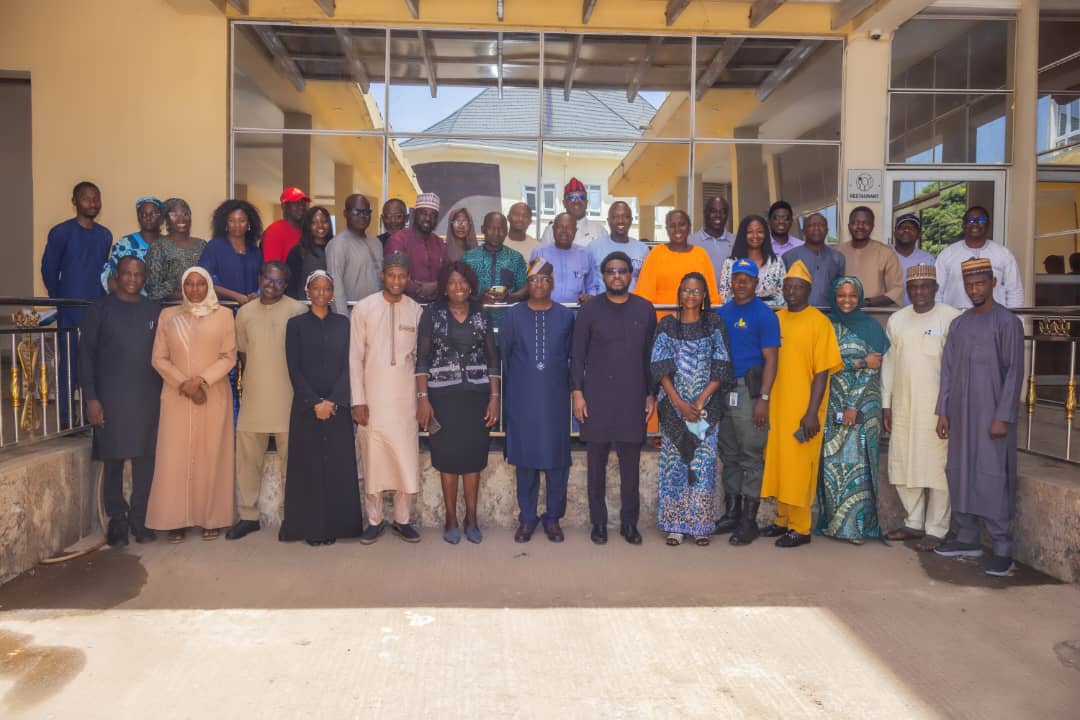
Security and peacebuilding stakeholders from four northern states have renewed calls for stronger collaboration and improved early warning systems to address rising insecurity across the region.
Participants from Benue, Kaduna, Katsina, and Plateau States made the call during a high-level dialogue held in Jos, Plateau State.
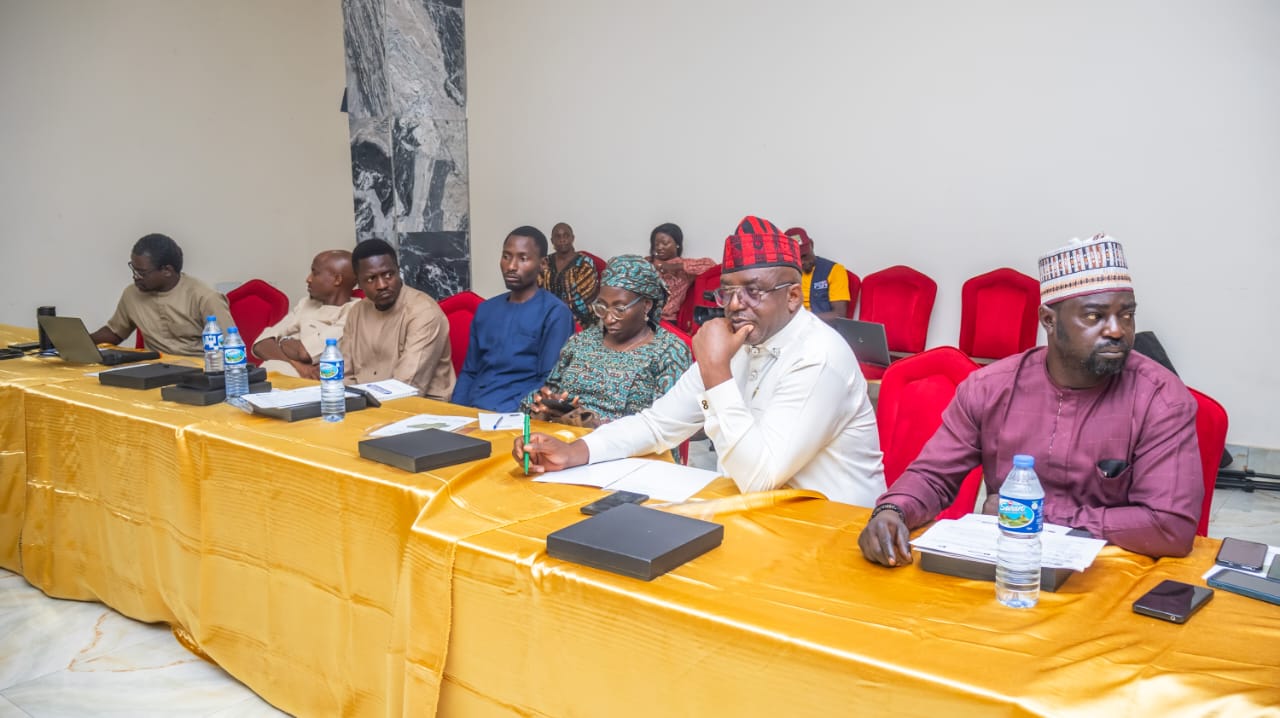
The meeting was convened by the Office for Strategic Preparedness and Resilience (OSPRE) in partnership with the UK-funded Strengthening Peace and Resilience in Nigeria (SPRING) programme and the Plateau State Peacebuilding Agency (PSPBA).
Discussions at the forum were centred on enhancing coordination among state actors, strengthening early warning and response mechanisms, and promoting locally driven solutions to evolving security threats.
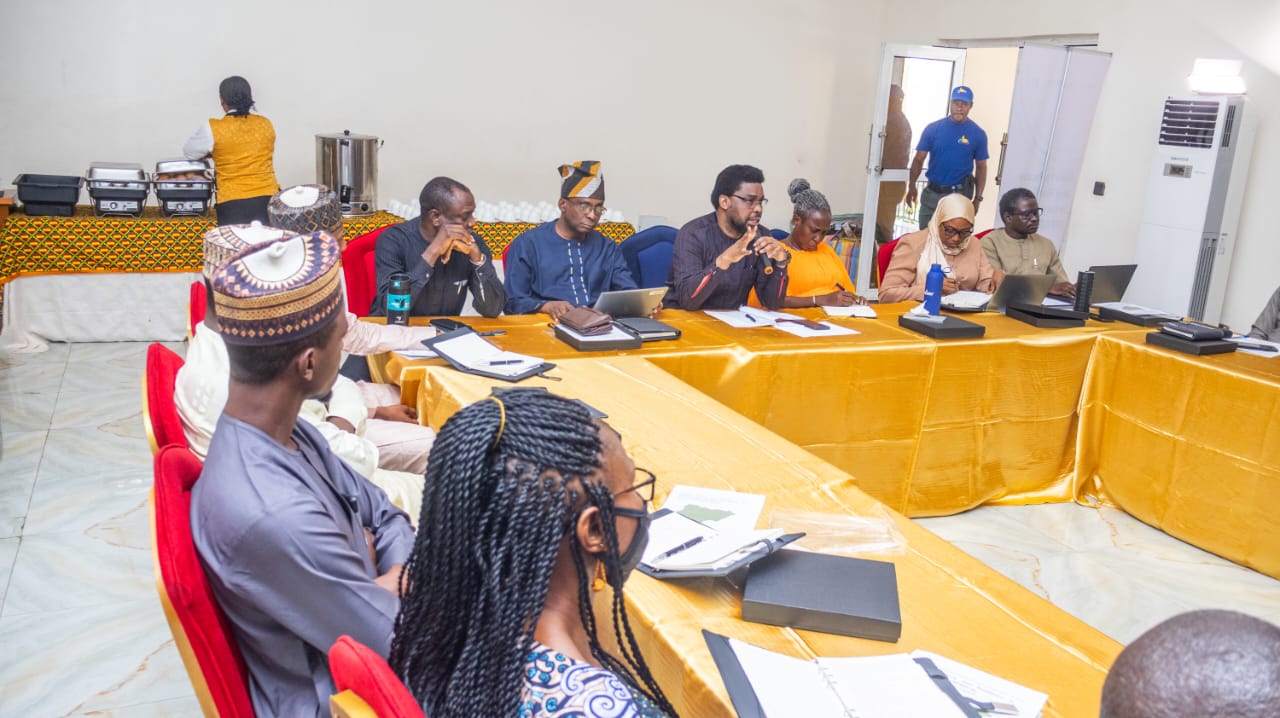
Participants shared field experiences and reviewed lessons from ongoing interventions, with a focus on identifying practical strategies for cross-border cooperation.
Officials said the engagement builds on existing efforts to improve conflict prevention systems, specifically by integrating new training programs and collaborative frameworks that enhance the effectiveness of these systems.
OSPRE, through its SPARCS programme, has trained over 300 individuals across the northwest and north-central regions since 2025, equipping them to detect and respond to early signs of conflict.
Speaking at the event, SPRING Team Lead, Ukoha Ukiwo, said collaboration among governments, communities, and development partners remains critical.
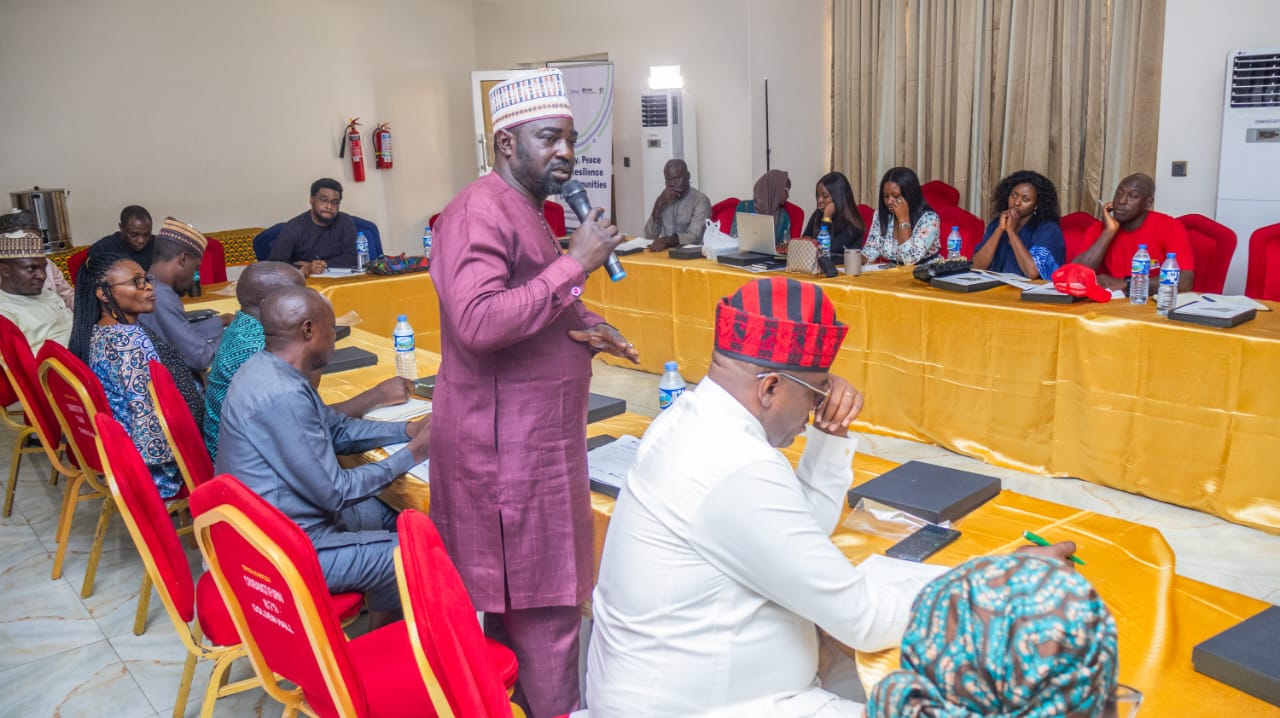
“Strengthening local capacities and fostering peer learning platforms are essential to building systems capable of preventing conflict before escalation,” he said.
OSPRE Director General, Chris Ngwodo, stressed that Nigeria’s security challenges require coordinated action across all levels of government.
“No single tier of government can address today’s security challenges in isolation. What is required is a coherent framework that aligns local knowledge with national capabilities,” he said.
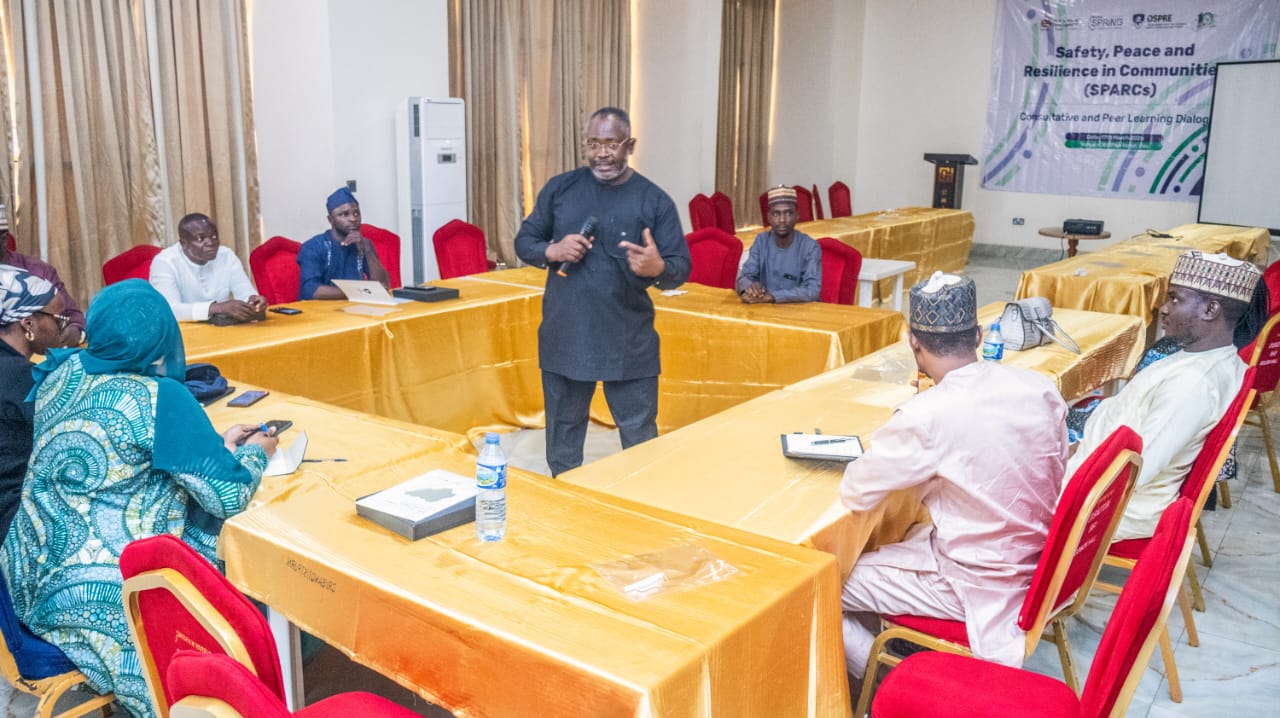
He also acknowledged the support of the United Kingdom government in advancing peacebuilding initiatives.
The Director General of the Plateau State Peacebuilding Agency, Julie Sanda, commended the initiative and called for sustained institutional partnerships to scale successful interventions at the community level.
As part of the program, participants visited Operation Rainbow, Plateau State’s security outfit, where they engaged with personnel in community-based security coordination, intelligence gathering, and rapid response strategies.
At the end of the dialogue, participants agreed to strengthen inter-state collaboration, institutionalise peer learning platforms, and improve early warning systems as part of their efforts to promote sustainable peace in the region.
OSPRE serves as Nigeria’s national coordinating centre for early warning and response, working with stakeholders to anticipate and prevent emerging security threats through data-driven approaches.
By Auwal Umar, Gombe
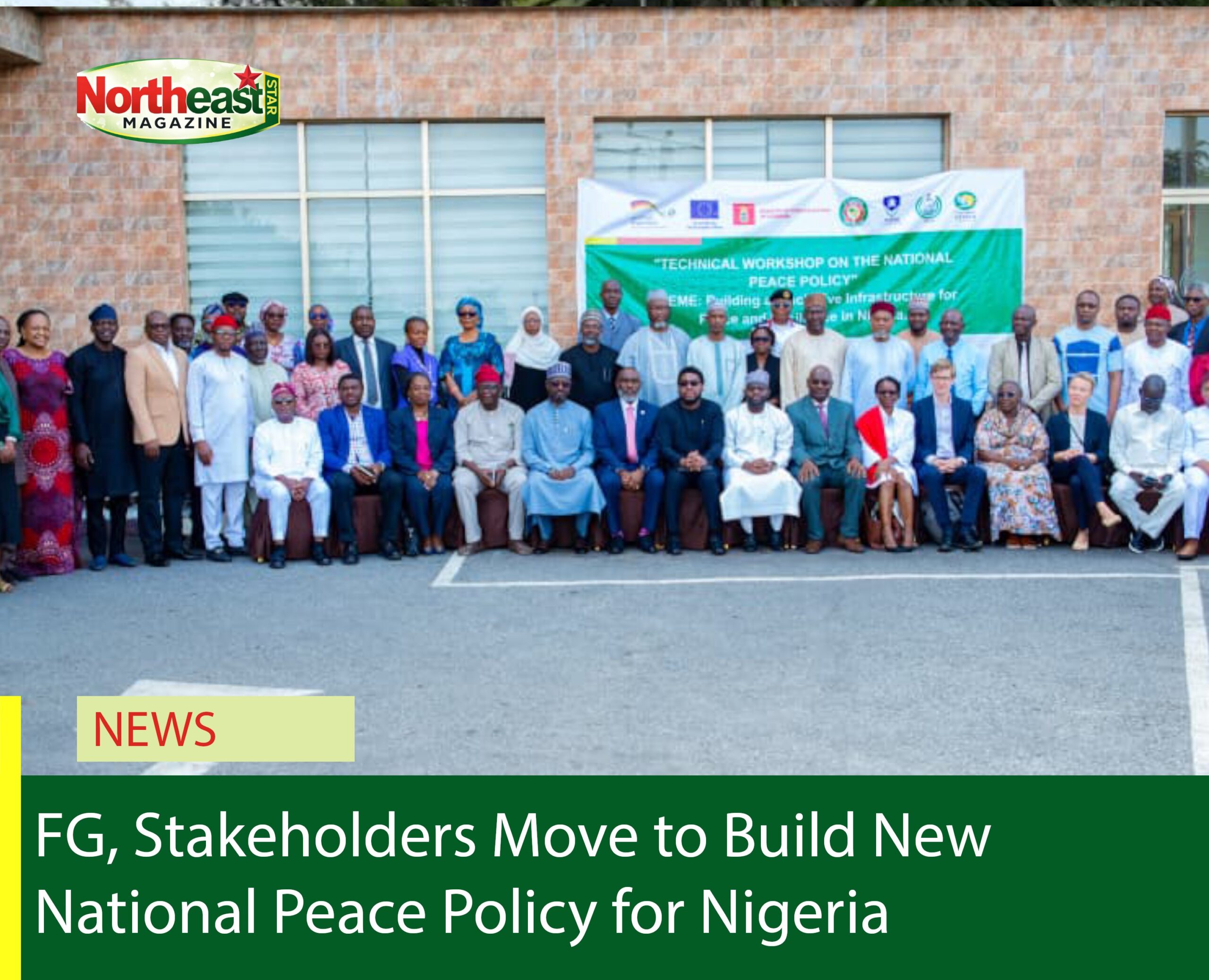
The Federal Government and key stakeholders in Nigeria’s peacebuilding sector have begun work on a new National Peace Policy designed to strengthen conflict prevention, improve institutional coordination and promote sustainable peace across the country.
The initiative was announced in a statement signed by Hafsah Matazu, Programme Manager at the Office for Strategic Preparedness and Resilience (OSPRE), and made available to journalists in Gombe on Thursday.
OSPRE and the Institute for Peace and Conflict Resolution (IPCR), in partnership with Triple Peace Africa, convened a three-day technical workshop on “Building an Inclusive National Infrastructure for Peace and Resilience.”
The workshop brought together representatives of federal ministries, departments and agencies, members of the National Assembly, state peace commissions, subnational institutions, civil society organisations and peacebuilding practitioners from across the country.
Speaking at the meeting, OSPRE Director-General, Chris Ngwodo, said the proposed policy was aimed at creating a framework that reflects Nigeria’s current peace and security realities.
He said the process would also take into account developments that have emerged since the country’s previous attempt to establish a National Peace Policy in 2012.
The Director-General of IPCR, Joseph Ochogwu, described the proposed policy as a critical framework for strengthening Nigeria’s peacebuilding system, saying it would provide the institutional and operational foundation for coordinated peace efforts.
Also speaking, the Special Adviser to the President on Homeland Security, Major General Adeyinka Famadewa (rtd), said the policy would promote a more proactive approach to conflict management.
According to him, the framework would help move the country away from responding to conflicts only after they occur towards anticipating risks and preventing violence before it escalates.
The Chief Executive Officer of Triple Peace Africa, Paul Nyulaku, said the emerging framework reflected a broad consensus among stakeholders on the need for a new approach to building lasting peace in Nigeria.
The Chairman of the House of Representatives Committee on Peacebuilding and Social Cohesion, Sadiq Abbas Tafida, pledged the commitment of the House to supporting the policy and ensuring that adequate resources are provided for its implementation.
Participants at the workshop called for a whole-of-government and whole-of-society approach to peacebuilding, linking federal institutions with state and local governments, state peace commissions, civil society organisations and community-based actors.
They also stressed the need for a completely renewed policy framework capable of responding to Nigeria’s changing security, social and economic realities while taking advantage of emerging opportunities for peacebuilding.
In his remarks at the close of the workshop, the Director-General of the National Orientation Agency (NOA), Lanre Issa-Onilu, urged stakeholders to ensure that the proposed policy is rooted in Nigeria’s national values.
He said the framework should also serve as a tool for civic mobilisation, national unity and stronger social cohesion.
Representatives of participating institutions subsequently signed a communiqué committing themselves to deeper collaboration, improved institutional coordination and greater alignment of peacebuilding initiatives across the country.
The resolutions from the workshop are expected to form part of broader consultations across the federation as the Federal Government and stakeholders work towards producing an inclusive National Peace Policy and a stronger national infrastructure for peace and resilience.

By Auwal Ahmad Umar
Gombe State Governor Muhammadu Inuwa Yahaya has renewed his call for the Federal Government to accelerate construction of the Gombe-Biu section of the Akwanga-Jos-Bauchi-Gombe-Biu-Maiduguri Super Highway.
The governor made the call on Monday in Abuja during a meeting with the Minister of Works, David Umahi, where he also sought federal intervention on additional road projects considered critical to Gombe State’s economic development.
In a statement issued by Ismaila Uba Misilli, Director-General, Press Affairs, Government House, Gombe, the governor said the projects would strengthen connectivity and help unlock the agricultural, commercial, industrial and tourism potential of the state and the wider North-East.
Governor Yahaya has consistently advocated the early commencement of the Gombe-Biu section of the super highway, describing the corridor as strategically important to Gombe and other parts of the region.
The project was recently approved and flagged off by the Federal Government, with Mr Umahi joining the governor and members of the National Assembly in Gombe for its groundbreaking ceremony.
Following the groundbreaking, Mr Yahaya is now seeking sustained federal commitment towards the commencement of full-scale construction and timely completion of the road.
Bypasses for Gombe metropolis
The governor also proposed the development of northern and southern bypasses around Gombe metropolis.
According to him, the proposed bypasses would provide alternative routes into and out of the state capital, reduce pressure on existing roads and improve connections to the Gombe-Biu corridor.
He said the infrastructure would also facilitate the movement of people, agricultural produce and goods while creating opportunities for economic expansion around the metropolis.
Responding, Mr Umahi described the Gombe-Biu section of the super highway as a priority of the President Bola Tinubu administration.
The minister said the governor’s request to commence construction from the proposed point of interest would be considered as work begins.
Mr Umahi also expressed confidence in Hitech Construction Company, the contractor handling the project, describing the firm as one of the country’s capable companies for major infrastructure projects.
The minister commended Mr Yahaya for his persistence in seeking federal projects for Gombe and said his recent visit to the state had strengthened his understanding of the development taking place there.
“Since my visit to Gombe, I have become like your ambassador. Anywhere I go, I talk about your state and the developmental strides I have witnessed,” Mr Umahi said.
He added that Gombe had demonstrated what could be achieved through what he described as genuine development and visionary leadership.
Mr Umahi assured the governor that the Federal Government would deliver the super highway, expressing optimism that its completion would have a significant impact on residents and businesses across the region.
Other strategic roads
The minister also acknowledged the governor’s continued advocacy for the rehabilitation and reconstruction of other major roads linking Gombe with neighbouring states.
They include the Gombe-Bajoga-Potiskum, Gombe-Dukku-Darazo and Gombe-Bauchi corridors.
The roads are important to Gombe’s economy, particularly for farmers and traders who depend on them to transport agricultural produce to markets and connect communities with major commercial centres.
The governor’s renewed push comes as Gombe seeks stronger integration into the Federal Government’s infrastructure programme, with road connectivity seen as a key driver of economic growth across the North-East.
Dr Dikwa Hails Dr Mai Adamu’s Appointment to National Salaries Commission
By Auwal Ahmad Umar
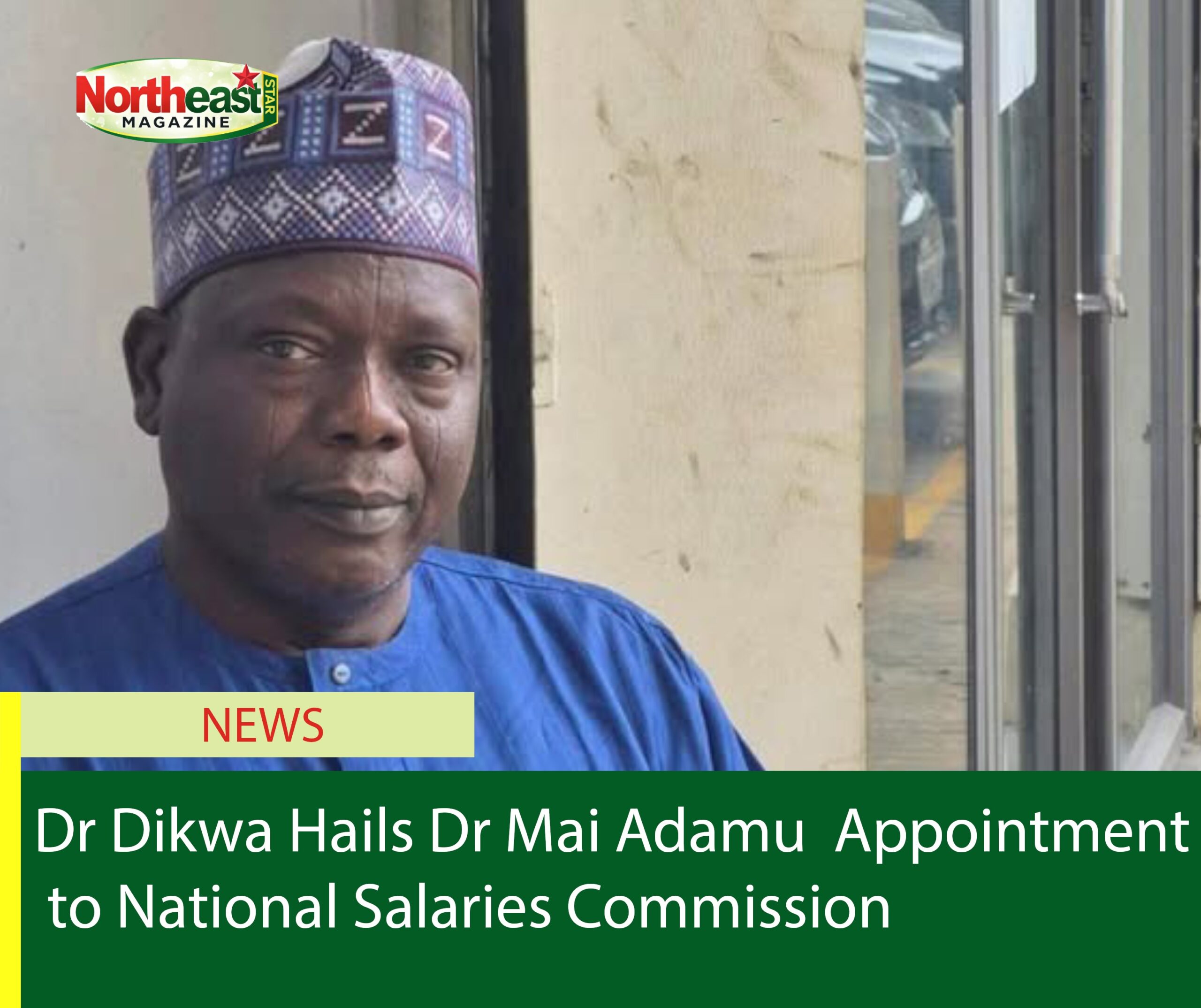
The Founder and President of Al-Ansar Foundation, Dr. Mohammed Kyari Dikwa, has congratulated Dr. Mai Adamu Yau following his appointment by President Bola Ahmed Tinubu as a member of the National Salaries, Incomes and Wages Commission (NSIWC), describing the development as a fitting recognition of years of exemplary public service.
In a congratulatory message Dr. Dikwa said the appointment reflected the Federal Government’s confidence in Dr. Yau’s integrity, competence and commitment to national development.
He expressed confidence that the new appointee would bring his vast professional experience to bear in advancing the commission’s mandate of promoting fairness, equity and sustainable wage administration across the country.
“Your appointment is a well-deserved recognition of your unwavering integrity, exceptional competence and decades of dedicated service to our nation. It is a testament to the confidence reposed in your professional ability and outstanding record in public service,” Dr. Dikwa said.
The Al-Ansar Foundation president recalled that he first worked with Dr. Yau more than 27 years ago at the Office of the Accountant-General of Borno State, where the latter served under his leadership.
According to him, Dr. Yau distinguished himself through diligence, humility, professionalism, trustworthiness and an unwavering commitment to excellence—qualities that laid the foundation for his rise to become the Accountant-General of Borno State before his latest national appointment.
“I witnessed first-hand your dedication to duty, honesty and professionalism. Those qualities have continued to define your career and have now culminated in this important national responsibility,” he added.
Dr. Dikwa said Dr. Yau’s career progression should serve as an inspiration to young professionals, stressing that integrity, perseverance, sincerity and the fear of God remain enduring values that attract greater responsibilities and recognition.
Although he is currently outside Nigeria on official engagements, Dr. Dikwa said he could not allow the occasion to pass without personally congratulating his “distinguished brother and former colleague” on the milestone.
He prayed for divine wisdom, sound health and strength for Dr. Yau as he takes up his new role, expressing hope that his tenure would be marked by justice, fairness and impactful service to the country.
“May Almighty Allah grant you wisdom, sound health and divine guidance as you assume this important national assignment. May your service be characterised by justice, fairness and lasting impact for the benefit of Nigeria and humanity,” he prayed.
The Al-Ansar Foundation also joined family members, friends, associates and well-wishers in celebrating the appointment, wishing Dr. Yau a successful tenure at the National Salaries, Incomes and Wages Commission.

Yahaya Approves N54.8m for Entrance Exams, N118.7m for BECE

APM President Kouyateh: Dangotization Can Turn Africa’s Resources into Jobs, Wealth

Inuwa Yahaya Tells New Ashaka Cement Owners: Expansion Must Benefit Gombe Communities

APC National Chairman Settles Gombe Central Contest, Raises DCP Ahmed’s Hand as Party’s Senatorial Candidate

Gombe Eyes Livestock-Led Economic Growth as Inuwa Yahaya Meets Minister

Gombe Aquatic Sports Body Unveils Board, Sets Stage for Competitive Debut

-
 Politics2 months ago
APC National Chairman Settles Gombe Central Contest, Raises DCP Ahmed’s Hand as Party’s Senatorial Candidate
-
 Agriculture3 weeks ago
Gombe Eyes Livestock-Led Economic Growth as Inuwa Yahaya Meets Minister
-
 Sport5 months ago
Gombe Aquatic Sports Body Unveils Board, Sets Stage for Competitive Debut
-

 Striking the Balance1 month ago
The $2,500 Threshold: Why Raising Nigeria’s GDP Per Capita Is Our Best Non-Kinetic Strategy for Peace
-

 Economy8 months ago
NGX Ends Week in the Green as ₦1.54 Trillion Boosts Investors’ Fortunes
-
 Environment3 months ago
World Environment Day: NGO Urges Nigerians to Embrace Nature-Based Solutions Against Climate Change
-

 Economy8 months ago
CBN’s End to Cash Withdrawal Limit
-
 Education8 months ago
Dangote Launches Landmark ₦1 Trillion Scholarship Scheme to Support 1.3 Million Nigerian Students