
Gombe
UNICEF Backs Gombe on Budget Reform, Trains MDAs on Social Protection Tracking


UNICEF Backs Gombe on Budget Reform, Trains MDAs on Social Protection Tracking
By Auwal Ahmad, Gombe
The United Nations Children’s Fund (UNICEF) has partnered with the Gombe State Government to strengthen public finance management through a capacity-building workshop on social protection budget tagging for key ministries, departments, and agencies (MDAs).
Speaking during the training on Tuesday, UNICEF Social Protection Specialist Dr Yusuf Auta said the initiative is designed to improve how government investments in social protection are identified, tracked, and aligned with development priorities.
He explained that the budget tagging system would enable policymakers and stakeholders to monitor spending in critical sectors and support long-term planning, particularly for children, adolescents, and women who make up more than half of the state’s population.
According to him, social protection programmes play a vital role in breaking cycles of poverty by improving access to essential services such as healthcare, education, water, sanitation and hygiene (WASH), and nutrition.
“Effective social protection interventions help vulnerable households meet basic needs and prevent the transmission of poverty across generations,” Auta noted.
He urged participants to maximise the three-day training, adding that the knowledge gained would be crucial to driving the 2027 budget tag process across their respective MDAs.
“UNICEF remains committed to supporting Gombe State in making informed, evidence-based investments that improve the wellbeing of its people,” he added.
Earlier, the Permanent Secretary in the Gombe State Ministry of Finance, Jalo Ibrahim Ali, who also oversees the Ministry of Budget and Economic Planning, said the training aligns with efforts to strengthen public financial management systems in the state.
He noted that the workshop would enhance institutional capacity, particularly in sectors such as education, health, WASH, and social protection, to ensure more effective and accountable service delivery.
Ali described the training as timely and strategic, emphasising the importance of the National Chart of Accounts in promoting transparency, uniformity, and efficiency in government financial operations.
“A properly implemented chart of accounts allows institutions to accurately classify, record, and report financial transactions in line with national standards and global best practices,” he said.
He added that improving budgeting processes, financial reporting, and expenditure tracking remains central to Gombe State’s development agenda.
“A sound financial system provides the foundation for credible planning, prudent allocation of resources, and evidence-based decision-making. It also strengthens our ability to ensure that public funds are used to meet the needs of our citizens,” he said.
Ali commended UNICEF for its continued support, noting that such collaborations are critical to building resilient institutions and improving governance outcomes in the state, particularly in enhancing transparency and accountability in the use of public resources.
By Auwal Ahmad Umar
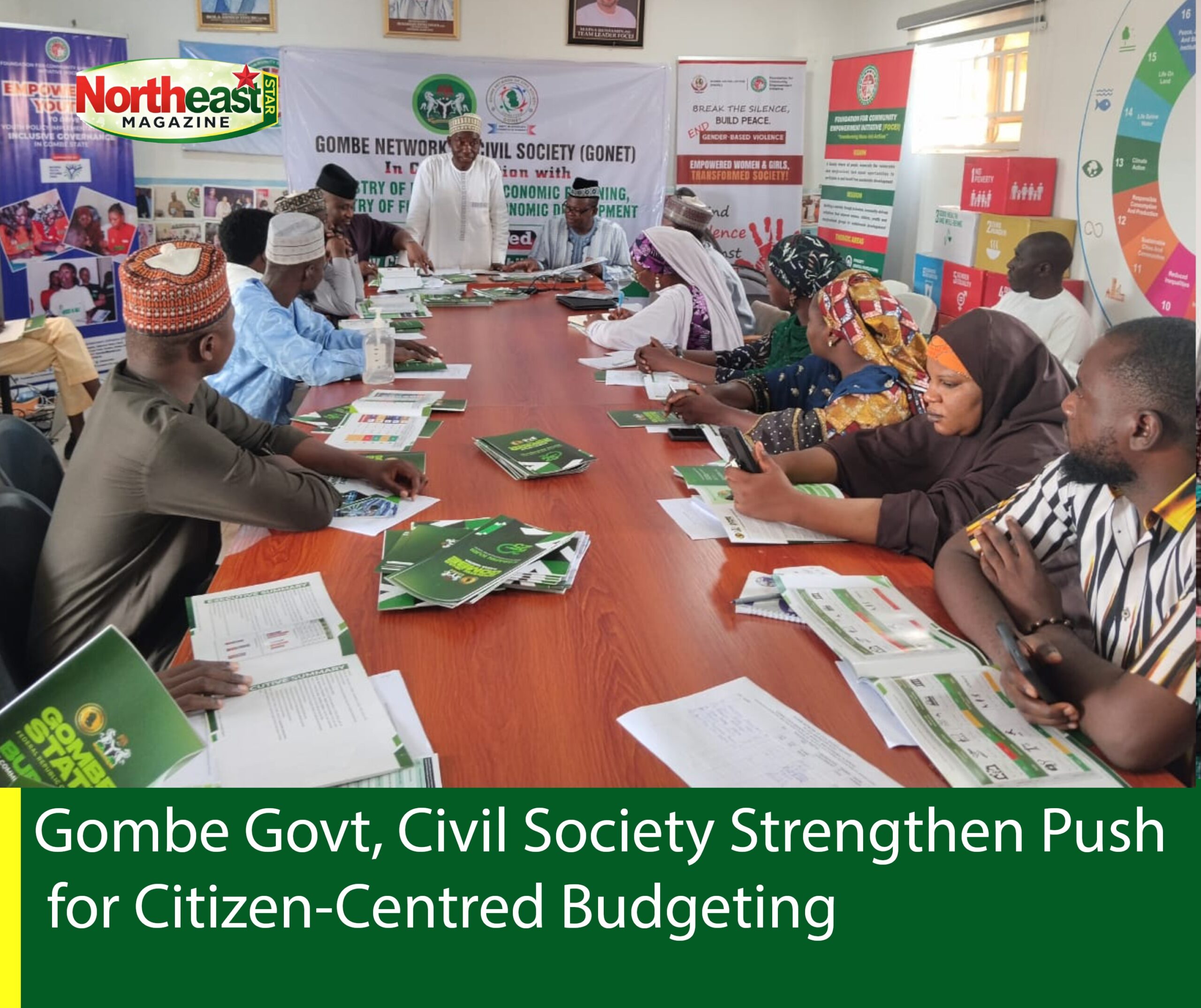
The Gombe State Government and civil society organisations have renewed their commitment to promoting citizen participation, transparency and accountability in the state’s budget and development processes.
Director of Budget Muhammad Adamu, who represented the Commissioner for Budget and Planning, stated this while speaking during the presentation of the 2025 Citizens’ Accountability Report to civil society organisations and community leaders across the Gombe North and Gombe South Senatorial Districts on Wednesday.
Adamu said the report reflected the government’s commitment to transparent, accountable and responsive governance, describing it as an important tool for building public confidence and strengthening the relationship between government and citizens. He urged participants to ask questions, make constructive contributions and provide feedback capable of improving public resource management and service delivery.
The engagement, organised by the Gombe State Civil Society Network (GONET), brought together government officials, civil society organisations, community leaders, youth representatives and members of the media to deliberate on budget accountability and citizens’ participation in governance.
Chairman of GONET, Ambassador Ibrahim Yusuf, said continuous engagement with citizens was improving accountability and communication between government and communities. He said the network was promoting constructive dialogue rather than simply blaming government, by providing citizens with information about policies, budgets and development projects.
Yusuf explained that GONET also serves as a platform for citizens to communicate their needs and priorities to government, creating a two-way engagement that has contributed to the inclusion of some community-driven projects in government budgets.
He said GONET would sustain its engagement with communities until information gaps and misconceptions between citizens and government were substantially reduced.
Also speaking, youth advocate from Billiri Local Government Area, Joy Haida, described citizen participation in budgeting and development planning as crucial to strengthening cooperation between communities and government.
Haida said the 2025 Citizens’ Accountability Report showed that some issues raised by citizens had been reflected in ongoing infrastructure projects, including road construction. She, however, called for effective implementation of identified projects across communities, stressing that successful delivery would boost public confidence and promote inclusive development.
Meanwhile, Chairman of the Ward Development Committee (WDC) in Bare Local Government Area, Muhammad Jonh Tarasu, urged the Gombe State Government and GONET to take citizen engagement on the budget directly to grassroots communities across the state.
Tarasu said taking the engagement to the grassroots would empower citizens, community leaders and WDCs to understand government budgets, monitor projects and demand accountability.
He commended GONET for its efforts and called for wider participation to strengthen government-community relations, improve transparency and enhance service delivery and development across Gombe State.
By Auwal Ahmad Umar
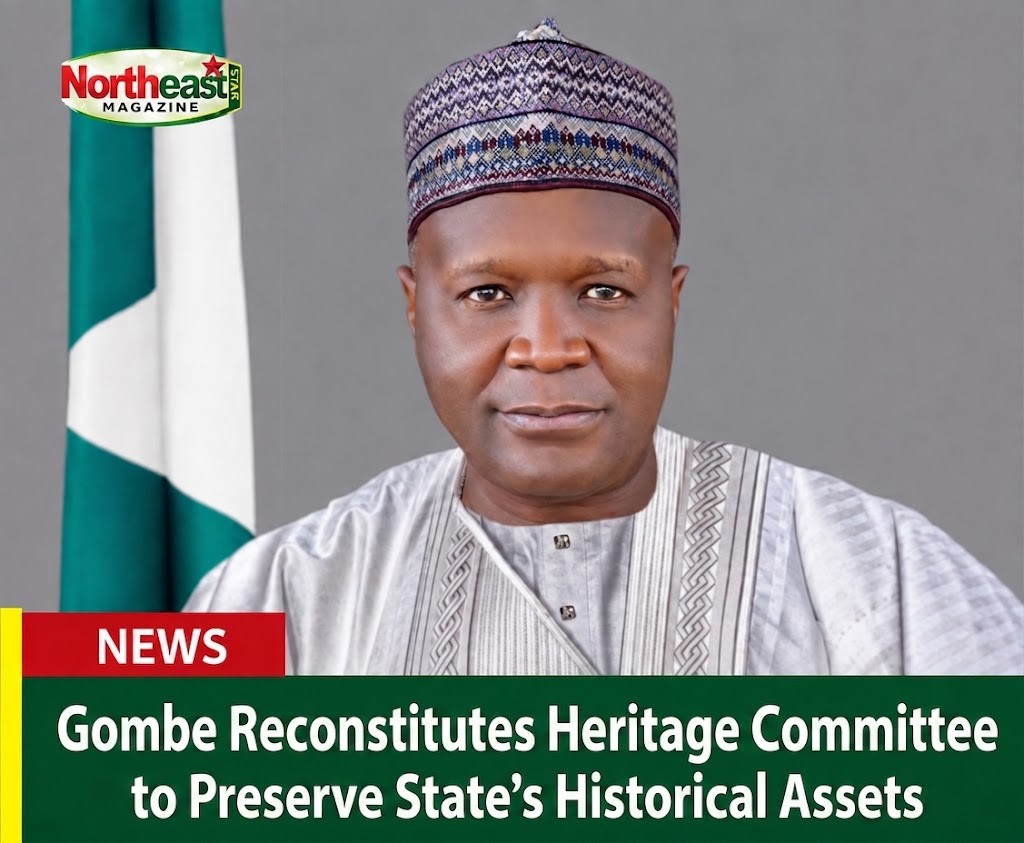
Gombe State Governor, Muhammadu Inuwa Yahaya, has reconstituted the state Committee on the Preservation of Museums and Monuments, in a move aimed at protecting the state’s historical sites and cultural heritage.
The development was announced in a statement signed by Ismaila Uba Misilli, Director-General, Press Affairs, Government House, Gombe, on behalf of the state government.
The Secretary to the State Government, Ibrahim Abubakar Njodi, said the governor approved the new composition of the committee to strengthen efforts to preserve historical records, monuments and other cultural assets across the state.
The Emir of Gombe, Abubakar Shehu Abubakar III, CFR, will chair the committee, while the Commissioner for Information, Strategy and Culture will serve as deputy chairman.
Other members are the Gombe State Chairman of the Association of Local Governments of Nigeria (ALGON), the Director-General of Gombe Media Corporation, elder statesman Yaya Hammari, also known as Wazirin Yeriman Gombe, Senior Special Assistant to the Governor on Special Duties, Yakubu Sarma, historian Usman Isa Ya’u, and Abdulfatah Aliyu, Dan Amar Kaltungo.
The Head of the Civil Service, Muazu Shehu, will serve as secretary.
Mr Njodi said the composition reflected the administration’s recognition of the importance of preserving the heritage that defines the identity and collective memory of Gombe residents.
“The committee is expected to ensure that important historical landmarks and cultural assets are not allowed to disappear with time, but are properly preserved and handed down to future generations,” Mr Njodi said.
The initiative is also expected to support greater awareness of Gombe’s historical and cultural resources and encourage their protection for educational, cultural and tourism purposes.
The government said the appointments take immediate effect.
By Auwal Ahmad Umar
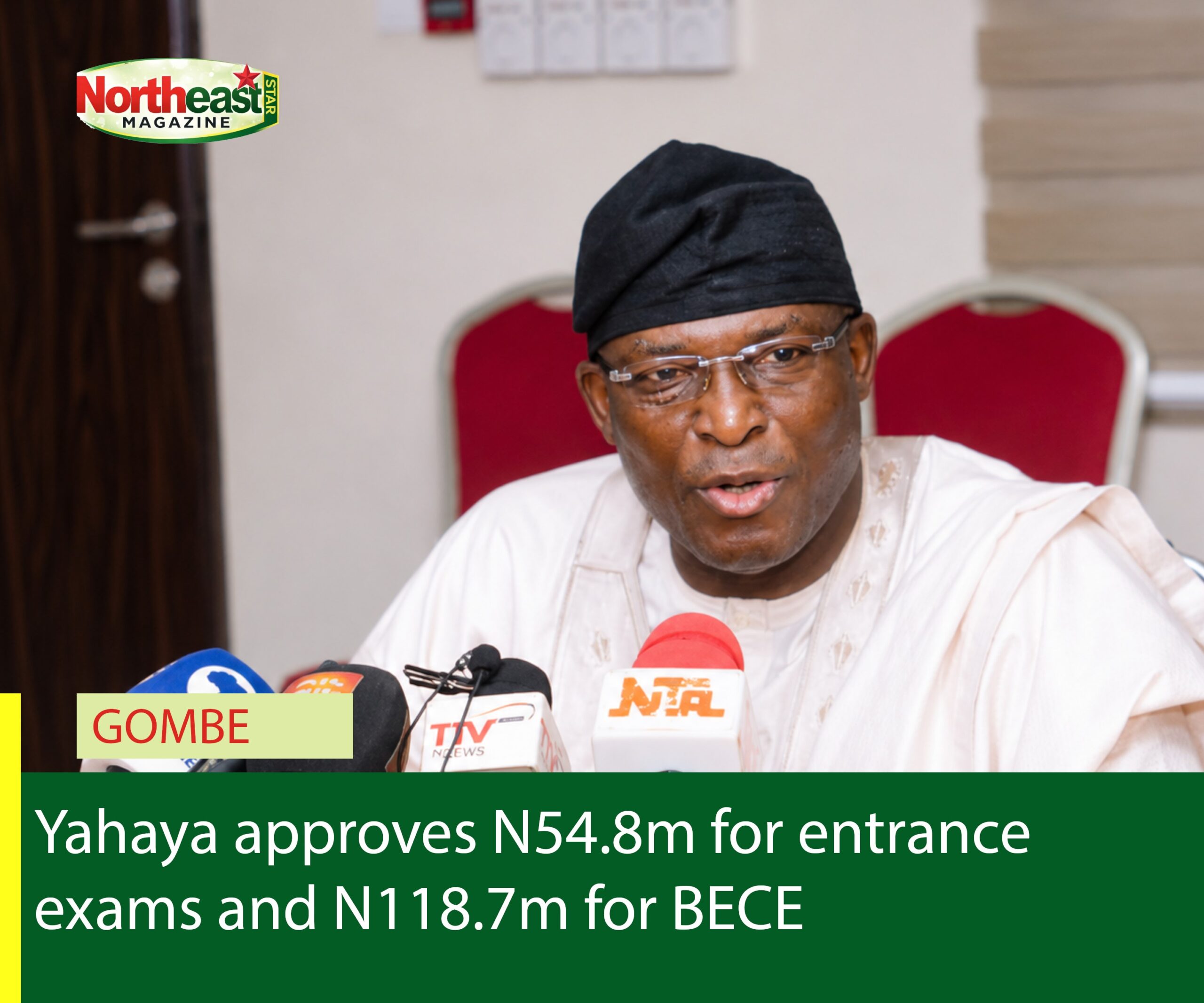
Gombe State Governor, Muhammadu Inuwa Yahaya, has approved N54.8 million for the conduct of mock and special entrance examinations and another N118.7 million for the Basic Education Certificate Examination (BECE) across the state.
The approvals are part of a series of interventions by the state government aimed at strengthening the education sector, supporting tertiary institutions and improving socio-economic infrastructure across Gombe State.
The state Commissioner for Information, Moses Kiari, disclosed this while outlining recent approvals by the government.
According to him, the N54.8 million approved for the mock and special entrance examinations would facilitate the effective conduct of the examinations and ensure that eligible students have the opportunity to participate under proper and coordinated arrangements.
Mr Kiari said the intervention reflected the administration’s commitment to maintaining a credible education system and ensuring that students were not disadvantaged by inadequate funding for essential examination activities.
The governor also approved N118.7 million for the conduct of the Basic Education Certificate Examination across the state.
The commissioner described the BECE as an important component of the basic education system, serving as a major assessment at the end of the basic education cycle.
He said the funding would support the effective administration of the examination while contributing to efforts to improve the quality, credibility and accessibility of basic education in the state.
Beyond basic education, Mr Kiari said the governor had approved N148.76 million as the Consolidated Academic Staff Allowance (CATA) for academic staff of Gombe State University.
He said the intervention was intended to support lecturers in discharging their teaching, research and other academic responsibilities.
According to him, investment in the welfare and professional development of academic staff remained an important part of the government’s human capital development agenda.
The government also approved the relocation of Tudun Hatsi Market to Tukuru, with N200 million earmarked by the state government for infrastructure associated with the relocation.
An additional N60 million was approved by the Gombe Local Government for the exercise.
Mr Kiari said the relocation was aimed at improving urban planning, traffic management and the orderly conduct of commercial activities while creating a safer and more conducive environment for traders and residents.
He added that the exercise would also provide an opportunity to preserve a historic mosque as a state monument.
The commissioner said the compensation provision demonstrated the government’s consideration for the interests and livelihoods of people affected by development projects.
He said the various approvals reflected the administration’s commitment to strengthening public institutions, improving service delivery and investing in human capital.
The government reiterated its commitment to implementing programmes that directly improve the lives of residents and deploying public resources responsibly to achieve sustainable development across Gombe State.

Ummah University Appoints Acting Registrar, Bursar Ahead of Academic Activities

2027: We’re Yet to Pick Presidential Candidate —Northern Igbo Assembly

Gov. Inuwa Woos Northern Academics, Women Ulamas for Knowledge-Based Solutions to Region’s Challenge

APC National Chairman Settles Gombe Central Contest, Raises DCP Ahmed’s Hand as Party’s Senatorial Candidate

Gombe Eyes Livestock-Led Economic Growth as Inuwa Yahaya Meets Minister

Gombe Aquatic Sports Body Unveils Board, Sets Stage for Competitive Debut

-
 Politics3 months ago
APC National Chairman Settles Gombe Central Contest, Raises DCP Ahmed’s Hand as Party’s Senatorial Candidate
-
 Agriculture2 months ago
Gombe Eyes Livestock-Led Economic Growth as Inuwa Yahaya Meets Minister
-
 Sport5 months ago
Gombe Aquatic Sports Body Unveils Board, Sets Stage for Competitive Debut
-

 Economy9 months ago
NGX Ends Week in the Green as ₦1.54 Trillion Boosts Investors’ Fortunes
-

 Striking the Balance2 months ago
The $2,500 Threshold: Why Raising Nigeria’s GDP Per Capita Is Our Best Non-Kinetic Strategy for Peace
-

 Economy9 months ago
CBN’s End to Cash Withdrawal Limit
-
 Education9 months ago
Dangote Launches Landmark ₦1 Trillion Scholarship Scheme to Support 1.3 Million Nigerian Students
-

 Environment3 months ago
World Environment Day: NGO Urges Nigerians to Embrace Nature-Based Solutions Against Climate Change