
Guest Column
Kebbi Mega Rally: When Masses Tell Their Story

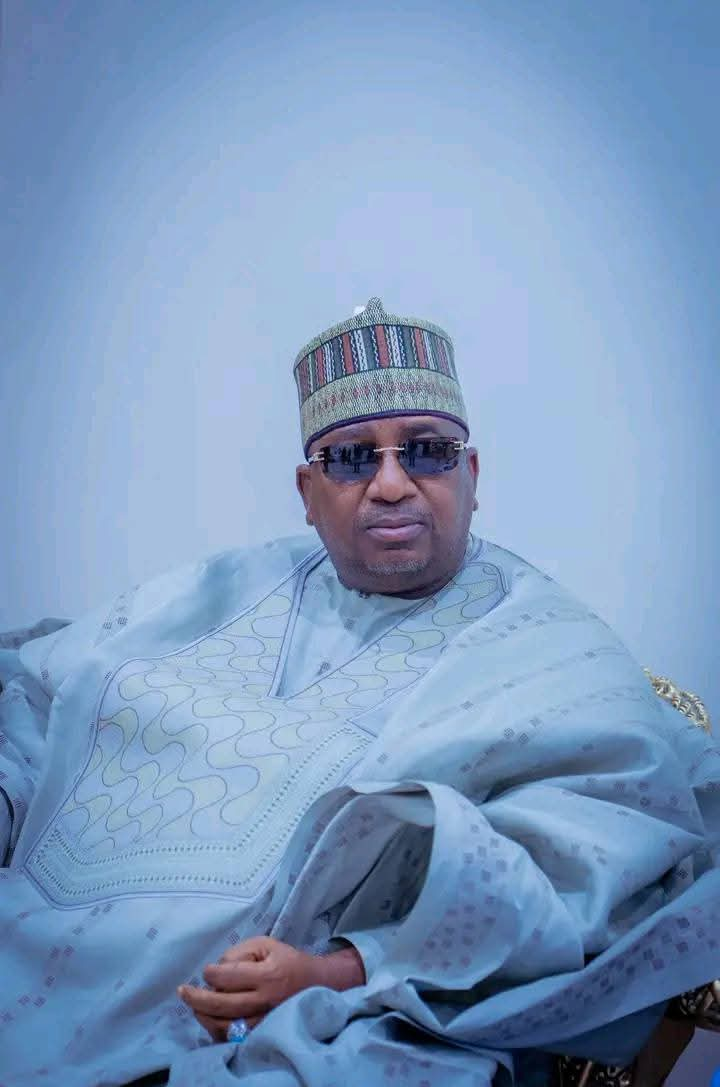
Kebbi Mega Rally: When Masses Tell Their Story
By Ibrahim Bello
Politics, by its very nature, is a contest of narratives. The opposition thrives on casting doubt, often working overtime to diminish incumbency with sharp rhetoric and selective amnesia. But while, so many incumbents allow themselves to be distracted or drawn into street brawls by the natural antics of the opposition, some simply just show the opposition what it truly means to be accepted. This they do through the people who, having experienced governance, decide to take up the job of marketing the incumbent through organic public spectacles.
That moment played out in Birnin Kebbi, over the weekend when an overwhelming crowd of Kebbi people surged in solidarity with Governor Nasir Idris, (Kauran Gwandu), and President Bola Ahmed Tinubu. All those who witnessed that organic crowd noted that it was not just another rally; it was a referendum of sorts, staged not in ballot boxes, but in human numbers.
When people gather in such magnitude, uncoerced and spirited, they are not merely attending an event; they are testifying to what they have witnessed.
The chants were unmistakable. The placards told their own stories—roads completed, schools revived, hospitals upgraded, salaries paid, security strengthened. It was less of political theatre and more of a public audit, carried out by those who feel the impact most directly.
For Governor Nasir Idris, the significance of that moment goes beyond optics. It reflects a governance model that has deliberately focused on tangible outcomes rather than loud proclamations. Since assuming office in 2023, his administration has carved a reputation around visible development and administrative responsiveness.
Take infrastructure, for instance. Across Kebbi State, there has been a steady push to rehabilitate and construct roads linking communities that were previously cut off, especially during the rainy season. Roads such as the Argungu–Aleiro corridor and critical township roads within Birnin Kebbi have improved mobility, eased trade, and reduced travel time for residents and farmers alike. These are economic lifelines whose impact is already being felt.
In education, the primary constituency of the governor, the story is equally compelling. Governor Nasir has prioritised the renovation of dilapidated schools and the construction of new classrooms to address overcrowding. Beyond infrastructure, his administration approved the recruitment of thousands of teachers to bridge staffing gaps in public schools. This intervention is critical in a state where access to quality basic education remains a developmental challenge. By investing in both human and physical capital, Kebbi is gradually repositioning its education sector for long-term gains.
Healthcare delivery, often neglected in subnational governance, has also received notable attention. Several primary healthcare centres have been upgraded and equipped across the state, improving access to basic medical services in rural areas.
The administration has also supported general hospitals with essential equipment and personnel, strengthening the referral system. Perhaps, the most significant investment in this sector is the establishment of the Kebbi College of Nursing and Midwifery, Ambursa. The idea is to create a ready source for critical health workers to man the revamped hospitals.
Perhaps one of the most defining aspects of Governor Nasir’s leadership has been his approach to workers’ welfare.
As a former union leader, expectations were naturally high, and he has not disappointed. His administration moved early to implement the new national minimum wage, placing Kebbi among the states that acted swiftly in that regard.
Salaries have been paid consistently, pensions cleared, and gratuities addressed in a manner that restores dignity to retired civil servants.
With stories of struggling senior citizens across the country, Gov. Nasir’s commitment to doing right by retirees stands out indeed.
Security, though largely under federal control, has not been ignored. Kebbi has witnessed improved coordination between state authorities, the home grown security outfits and security agencies, particularly in border communities prone to banditry.
The government has supported logistics, mobility, and community engagement initiatives that contribute to maintaining relative peace. While challenges persist, the effort to proactively address them is evident.
Agriculture, the backbone of Kebbi’s economy, has also benefited from targeted interventions. The administration has supported farmers with inputs, improved seedlings, and extension services aimed at boosting productivity.
Given Kebbi’s status as a leading rice-producing state, these efforts are not just about food security, they are about economic stability and rural livelihoods.
What makes these interventions particularly significant is the broader fiscal context. Many governors have acknowledged that reforms initiated by President Bola Ahmed Tinubu, especially around revenue and subsidy restructuring have increased allocations to states.
The real test, however, lies in utilisation. In Kebbi, there is a growing perception that these resources are being translated into visible development.
This is where the opposition’s narrative buckles under the weight of street level evidence and the lived reality of the people. Granted that criticism remains a vital component of democracy, but it must contend with evidence.
When roads are seen, when salaries are paid, when schools are functioning, and when hospitals are accessible, rhetoric alone cannot easily erase lived experience.
It’s no wonder then that the poster boy of Kebbi opposition, Abubakar Malami, was recently treated to a befitting welcome to Kebbi when youths lined the streets to chant “barawo bai mulki” loosely translated to mean thieves don’t govern.
The Birnin Kebbi rally, therefore, was not just about political endorsement; it was about validation. It demonstrated that governance, when rooted in delivery, builds its own constituency, one that is not easily swayed by transient political arguments.
Of course, no administration is without its shortcomings. There are still areas requiring urgent attention. Such areas as youth unemployment, deeper industrialisation, and expanded healthcare coverage, among others can be made better. Yet, the measure of leadership is not perfection; it is direction. And in Kebbi, the direction appears increasingly clear.
As 2027 gradually enters the political horizon, conversations will intensify. Alliances will shift, narratives will be refined, and ambitions will be declared. Yet, beneath all that, one fundamental question will persist: what has been done?
In answering that question, Governor Nasir Idris may not need an elaborate defence. The roads will speak; the schools will testify and the workers will remember. And, as witnessed in Birnin Kebbi, the people will gather, again, if necessary, to make their voices heard.
Because in the end, beyond party lines and political calculations, governance finds its truest expression in impact. And when impact resonates deeply enough, it does something no campaign strategy can manufacture; it draws a crowd that speaks not from gated mansions, but from the overall experience of governance as promised by a leader both unionist and welfarist.
Bello writes from Birnin Kebbi.
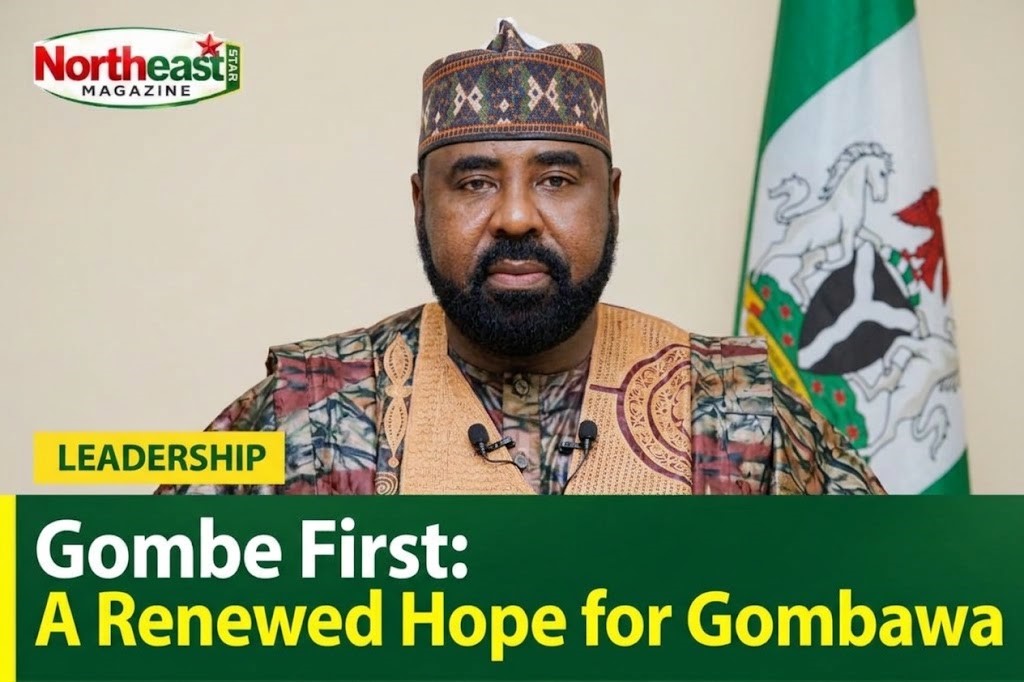
By Ibrahim Sani Shawai
The true measure of leadership lies in its impact on the lives of the people. For Gombawa, this means creating opportunities for decent livelihoods, providing quality education for our children, ensuring access to affordable healthcare and building communities where every citizen has a fair opportunity to thrive.
This is the vision Dr Jamil Isyaku Gwamna brings to his aspiration to lead Gombe State: putting Gombe first and making the welfare, dignity and prosperity of its people the central purpose of governance.
His message, “Continuity with Purpose: Consolidating Gains, Expanding Opportunity,” reflects the understanding that development is a continuous process and a collective responsibility. It requires preserving what works, strengthening existing achievements, addressing emerging challenges and ensuring that the benefits of progress reach more households and communities across the state.
At the national level, President Bola Ahmed Tinubu’s Renewed Hope Agenda provides an important framework for advancing these aspirations. Dr Gwamna envisions a stronger partnership between Gombe State and the Federal Government, one that translates shared priorities into strategic investments, productive enterprises, employment opportunities and improved living standards for Gombawa.
Governor Muhammadu Inuwa Yahaya’s administration has established important foundations for the state’s development. The responsibility ahead is to consolidate these achievements, build on the progress already made and respond more effectively to the evolving needs and aspirations of the people.
Central to Dr Gwamna’s vision is human capital development. He believes that infrastructure must ultimately serve people by connecting communities to schools, healthcare facilities, markets and economic opportunities. Beyond physical projects, governance must deliver measurable improvements in livelihoods and create an environment in which individuals and businesses can reach their full potential.
His background in business and management also informs his emphasis on economic productivity, private-sector participation, responsible leadership and strategic partnerships. He believes that a thriving economy must be driven by productive enterprises, supported by policies that encourage investment, strengthen local businesses and create sustainable jobs, particularly for young people.
Equally important, Gombe First must mean fairness, inclusion and shared prosperity. Every community deserves to be heard, every citizen deserves dignity and equal consideration, and public resources must be managed responsibly for the collective good. Our diversity should remain a source of strength, unity and a shared commitment to the progress of our state.
As we approach 2027, our politics must be driven by ideas, constructive engagement and a clear vision of the future we want for Gombe. We must encourage meaningful conversations, strengthen our collective resolve and place the interests of Gombawa above every other consideration.
By supporting President Bola Ahmed Tinubu’s Renewed Hope Agenda, consolidating the developmental gains of Governor Muhammadu Inuwa Yahaya’s administration and embracing Dr Jamil Isyaku Gwamna’s vision, we can build a stronger partnership that advances Gombe’s development and expands opportunities for present and future generations.
The task before us is clear: sustain the gains, deepen development, expand opportunities and ensure that the people remain at the heart of governance.
Gombe First. A Renewed Hope for Gombawa.
Ibrahim Sani Shawai
Spokesperson to Dr Jamil Isyaku Gwamna
3rd November, 2026
Local Government Autonomy: Nigeria’s Missing Weapon Against Insecurity and Banditry
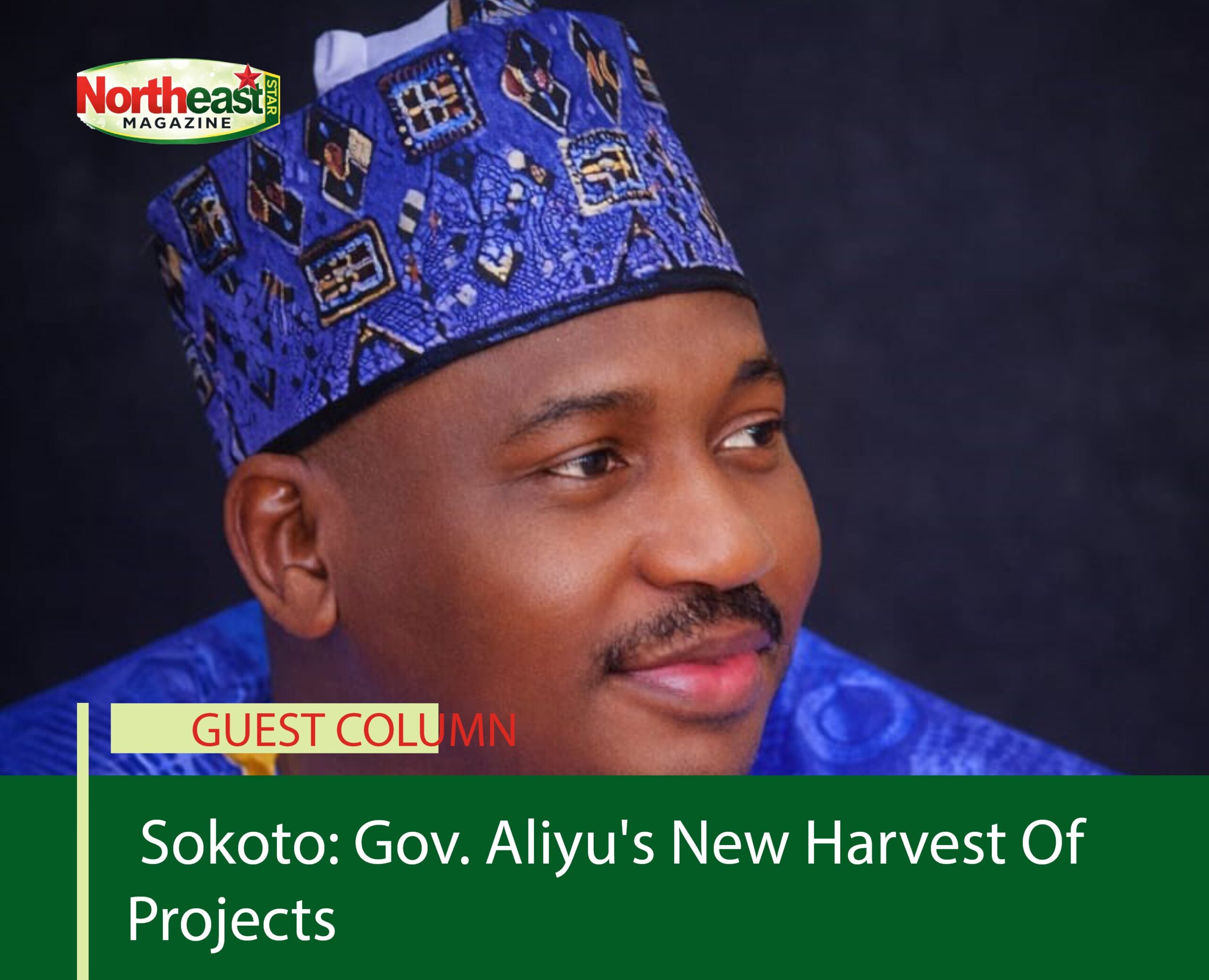
Sokoto: Gov. Aliyu’s New Harvest Of Projects
By Umar Yusuf
In politics, some leaders discuss their plans, while others quietly get to work. The latter category often allows projects and results to speak louder than press statements, political advertisements and endless public relations exercises.
Since the emergence of the Governor Ahmed Aliyu-led administration, commissioning ceremonies—whether for completed projects or the flag-off of new ones—have become a recurring feature of governance in Sokoto State. As the state once again enters another round of project commissioning activities this June, it becomes increasingly clear that Governor Ahmed Aliyu Sokoto is determined to reinforce a governing philosophy that has become synonymous with his administration: promises made must be pursued and delivered.
The ceremonies scheduled across different parts of the state are not isolated events. These ceremonies are part of a broader continuum of infrastructural renewal that has defined the administration since Governor Aliyu assumed office nearly three years ago.
To appreciate the significance of the projects currently being commissioned, one must first recall the circumstances under which the present administration came into office.
At the time Governor Aliyu took over the reins of leadership, many sectors of public life in Sokoto State required urgent intervention. Concerns exist across education, healthcare, transportation, housing, and rural development. Yet perhaps no challenge was as visible and as painful to ordinary citizens as the crisis surrounding potable water supply.
For many residents of the Sokoto metropolis and surrounding communities, access to water had become both difficult and expensive. Families spent considerable portions of their income purchasing water from vendors. What should ordinarily have been a basic social service had become a daily struggle.
Recognising the importance of water for public welfare, Governor Aliyu moved swiftly. He showed from the onset that he had no intention of treating water scarcity as a routine administrative challenge. To his government, water was an emergency requiring immediate and sustained intervention.
Massive investments were directed toward the rehabilitation and expansion of water schemes throughout the state. Ageing facilities were revived, abandoned projects were revisited, and new infrastructure was introduced to improve distribution. Projects such as the rehabilitation of the Old Airport Water Scheme, the Tamaje Water Scheme, and other strategic water facilities helped restore supplies to many communities that had endured years of shortages.
Today, even critics of the administration acknowledge the significant improvements in the water situation compared to previous conditions. The turnaround has not only reduced hardship for residents but has also restored confidence in the government’s capacity to respond effectively to public needs.
Water, however, represents only one chapter of a much broader story.
Over the last three years, the Ahmed Aliyu administration has embarked on an ambitious program of infrastructural development that touches virtually every sector of governance. Across the state, roads such as the Mabera-Mani Road, the Gawon Nama Axis, and several township roads have been constructed or rehabilitated, improving mobility and commercial activities.
Healthcare: Hospitals and primary care centres have received upgrades, equipment, and rehabilitation work aimed at improving service delivery. Educational institutions have similarly benefited from renovation projects, the provision of learning facilities, and investments intended to improve the learning environment.
The administration has also pursued housing projects, including the ongoing construction of hundreds of housing units for civil servants and vulnerable groups. Agricultural support programmes, youth empowerment initiatives and interventions targeted at stimulating local economic activities have equally featured prominently within the government’s development agenda.
What is perhaps most remarkable is the geographical spread of these interventions. Rather than concentrating development exclusively within the Sokoto metropolis, the government has consistently sought to extend projects into local government areas and rural communities.
This approach reflects an understanding that development is meaningful only when it reaches the people wherever they reside.
It is against this backdrop that the current round of commissioning activities should be viewed.
Last Friday’s commissioning of the Illela Jumu’at Mosque was more than a ceremonial event. It also provided an opportunity to reflect on the administration’s third anniversary and the progress recorded thus far.
The choice of Illela itself is significant. Situated along the border corridor, the town occupies an important position within the state’s commercial and social landscape. Investments in the area therefore carry implications not only for local residents but also for regional economic activities and cross-border trade.
Today, attention shifts to another important milestone with the commissioning of 100 housing units for internally displaced individuals in Illela Local Government Area.
At a time when insecurity has displaced thousands of citizens across different parts of Northern Nigeria, housing interventions targeted at vulnerable populations deserve recognition.
Providing shelter is not merely about constructing buildings. It’s about restoring dignity, rebuilding lives and creating conditions for displaced families to start over.
The decision to invite Professor Babagana Umara Zulum, Governor of Borno State, to perform the commissioning is equally symbolic.
Governor Zulum has earned national recognition for his commitment to rebuilding communities affected by insurgency. His participation underscores the importance of collaborative approaches to addressing displacement and humanitarian challenges.
Beyond the housing project, Professor Zulum will also perform the foundation-laying ceremony for the Illela International Market.
This project may ultimately prove to be one of the most economically consequential initiatives of the administration.
Markets are more than places where goods exchange hands. They are engines of local economies. They create jobs, stimulate investments, attract traders, and expand commercial opportunities in their surrounding communities.
Given Illela’s strategic location as a gateway community to the Republic of Niger, an ultramodern international market possesses the potential to transform trade activities while strengthening Sokoto State’s position within regional commerce. The benefits could extend far beyond local government boundaries.
The following day will witness another housing initiative in Rabah Local Government Area, where the foundation stone for an additional 100 housing units for internally displaced individuals will be laid.
The project demonstrates that the administration’s housing interventions are components of a wider policy framework aimed at social welfare, community rehabilitation and inclusive development.
Then comes the commissioning of the Mana Water Scheme on June 18, to be performed by the governor of Kano State, Abba Kabir Yusuf.
For some observers, the commissioning of another water project may appear routine. In reality, it is anything but routine when viewed against the backdrop of the severe water challenges that existed before Governor Aliyu assumed office.
Water remains one of the clearest indicators of governmental responsiveness. Every new scheme commissioned translates into reduced hardship for households, improved sanitation, better public health outcomes and enhanced economic productivity.
The Mana Water Scheme therefore represents another important step in consolidating gains already recorded within the sector.
The commissioning activities reveal that tangible outcomes ultimately measure governance.
Political speeches have their place. Campaign promises are necessary. But nothing can substitute for concrete impact, measured in flowing taps, functional roads, improved hospitals, modern schools, housing estates, and thriving markets.
These are the parameters through which citizens eventually judge governments. It’s ultimately about what people can see, touch and benefit from.
A road either exists or it does not. Again, a water scheme either supplies water or it fails to supply water. The same applies to housing estates, hospitals, schools, markets, and countless other public assets.
In this regard, the Aliyu administration appears determined to ensure that its record is defined by visible interventions rather than abstract promises.
Naturally, no government is beyond criticism. Challenges remain and expectations continue to rise. There are sectors where citizens still demand faster progress and broader interventions. Such demands are legitimate in every democratic society. However, it is also crucial to recognise and acknowledge progress whenever it occurs.
The projects being commissioned across Sokoto State this week provide further evidence that the administration continues to invest in infrastructure, social welfare, and economic development. More importantly, they demonstrate consistency in governance priorities rather than the abandonment of campaign commitments.
As the commissioning ceremonies unfold, they collectively represent something larger than individual projects scattered across different local government areas.
They represent the harvest of deliberate planning, sustained investment and a governing philosophy anchored on delivering visible benefits to the people.
For Governor Ahmed Aliyu Sokoto, this season of commissioning is therefore not merely a celebration of completed projects. It is a reminder that development is a continuous journey and that the true measure of leadership lies not in promises made but in promises fulfilled.
Umar writes from Sokoto.

Da’awa council defends NERDC chief, seeks proof of religious bias in curriculum

What Gombe’s grid upgrade could mean for farmers and traders

Tinubu Delivered for Balanga, Deserves Your Votes in 2027—Gov. Yahaya

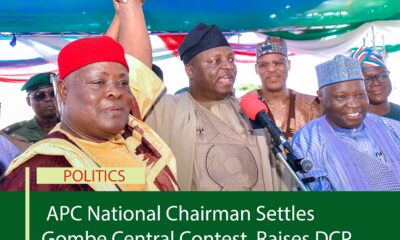
APC National Chairman Settles Gombe Central Contest, Raises DCP Ahmed’s Hand as Party’s Senatorial Candidate

NGX Ends Week in the Green as ₦1.54 Trillion Boosts Investors’ Fortunes

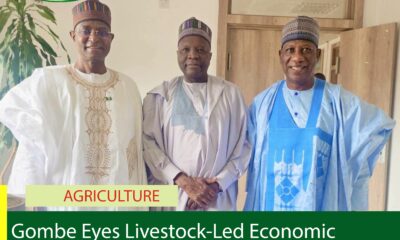
Gombe Eyes Livestock-Led Economic Growth as Inuwa Yahaya Meets Minister

-
 Politics5 months ago
APC National Chairman Settles Gombe Central Contest, Raises DCP Ahmed’s Hand as Party’s Senatorial Candidate
-
 Economy12 months ago
NGX Ends Week in the Green as ₦1.54 Trillion Boosts Investors’ Fortunes
-
 Agriculture4 months ago
Gombe Eyes Livestock-Led Economic Growth as Inuwa Yahaya Meets Minister
-
 Education12 months ago
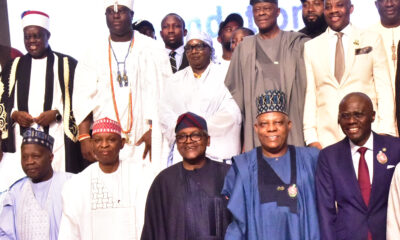
Dangote Launches Landmark ₦1 Trillion Scholarship Scheme to Support 1.3 Million Nigerian Students
-
 Sport8 months ago
Gombe Aquatic Sports Body Unveils Board, Sets Stage for Competitive Debut
-

 Economy12 months ago
CBN’s End to Cash Withdrawal Limit
-
 Striking the Balance4 months ago
The $2,500 Threshold: Why Raising Nigeria’s GDP Per Capita Is Our Best Non-Kinetic Strategy for Peace
-

 Borno8 months ago
Police Bust Kidnap Ring in Maiduguri, Rescue 7-Year-Old, Recover ₦1.5m Ransom