
Guest Column
Misplaced Blame, Missed Priorities: Why Targeting Matawalle Won’t Fix Nigeria’s Security Crisis

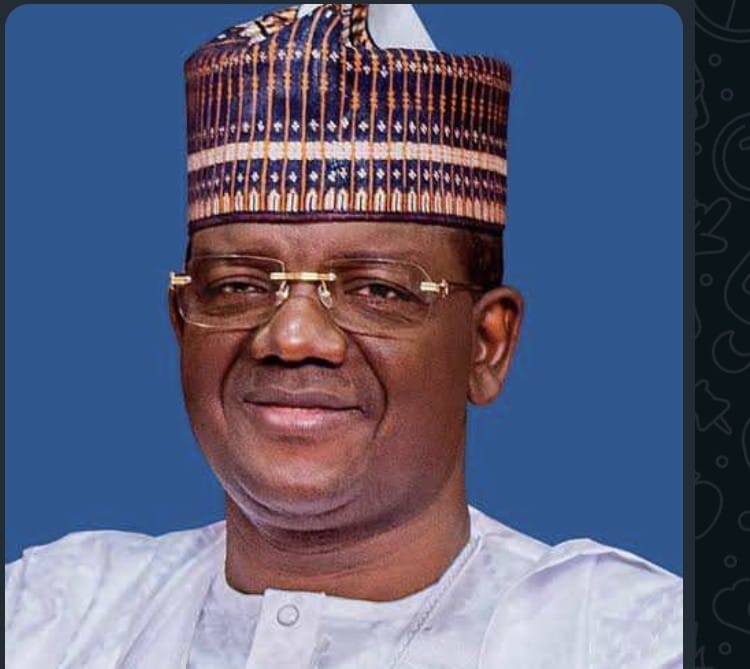
Misplaced Blame, Missed Priorities: Why Targeting Matawalle Won’t Fix Nigeria’s Security Crisis
By James Ezema
A U.S.-based lawmaker, Kimberly Daniels, recently called for the removal of Nigeria’s Minister of State for Defence, Bello Matawalle, stirring predictable reactions across political and media spaces. Yet, beneath the headlines lies a more important question: is Nigeria’s deepening insecurity the failure of one man or the consequence of entrenched systemic weaknesses?
Reducing a complex, multi-layered national security crisis to the performance of a single officeholder is not only analytically flawed—it risks distracting from the structural reforms Nigeria urgently needs.
A CRISIS DECADES IN THE MAKING
Nigeria’s insecurity did not begin with Matawalle, nor with the current administration of Bola Ahmed Tinubu. From the Boko Haram insurgency in the North-East to banditry in the North-West and communal conflicts/farmers/herders clashes in parts of the Middle Belt, the country’s security challenges are rooted in long-standing governance gaps.
These include:
I. Weak policing structures and chronic underfunding of the Nigerian Police Force
II. Poor intelligence coordination across security agencies
III. Proliferation of small arms and porous borders
IV. Socioeconomic drivers such as poverty, unemployment, and rural marginalisation
V. Over-reliance on the military for internal security duties
Any serious diagnosis must begin here—not with a politically convenient scapegoat.
MATAWALLE’S RECORD: A MORE BALANCED VIEW
Since his appointment as Minister of State for Defence in 2023, Matawalle has operated within a highly centralised and historically constrained security architecture. Yet, within these limitations, his contributions have been tangible and deserve objective recognition.
First, he has been instrumental in supporting expanded military operations against bandit enclaves in the North-West, particularly through enhanced coordination between ground forces and air components. These operations have disrupted several criminal networks and led to the neutralisation of key warlords.
Second, Matawalle has consistently advocated for both kinetic and non-kinetic approaches, recognising that force alone cannot resolve insurgencies. His experience as a former governor of Zamfara State informed initiatives that combined military pressure with local engagement strategies aimed at de-escalating violence.
Third, under his watch, there has been increased emphasis on troop welfare and logistics support, including improved supply lines and operational readiness—critical factors often overlooked in public discourse but essential to battlefield effectiveness.
Fourth, he has played a role in strengthening Nigeria’s defence diplomacy, engaging regional and international partners to support intelligence sharing and counterterrorism cooperation.
None of these efforts suggest perfection. But they do indicate active engagement with the problem—not complicity in it, as some narratives have implied without substantiated proof.
THE DANGER OF SIMPLISTIC NARRATIVES
The recommendation by Kimberly Daniels reflects a broader trend in international commentary: the urge to personalise systemic failures. While such positions may be well-intentioned, they often lack the contextual depth required to understand Nigeria’s unique security environment.
Symbolic dismissals do not achieve security sector reform. In fact, abrupt leadership changes without structural adjustments can disrupt continuity, weaken morale, and create further instability within the ranks.
Blaming Matawalle alone risks creating a false sense of action while leaving the real problems untouched.
THE REAL ISSUE: A DISTORTED SECURITY ARCHITECTURE
At the heart of Nigeria’s security crisis lies a fundamental misalignment: the military has been overstretched with internal security responsibilities that should primarily belong to the police.
The Nigeria Police Force, constitutionally mandated to handle internal law enforcement, has been weakened over decades by inadequate funding, poor training, and limited operational capacity.
As a result:
I. Soldiers are deployed for routine policing duties.
II. Military resources are stretched thin across multiple internal theatres.
III. Response times and intelligence gathering suffer
IV. Civil-military relations become strained.
The current approach is neither sustainable nor strategically sound.
A WAY FORWARD: REBALANCING SECURITY RESPONSIBILITIES
Rather than focusing on individual removals, Bola Ahmed Tinubu’s administration should prioritise a phased and deliberate restructuring of Nigeria’s internal security framework.
This must include:
I. Gradual re-equipping and modernisation of the Nigeria Police Force—with emphasis on mobility, communications, forensic capacity, and community policing.
II. Comprehensive retraining programmes to enhance professionalism and intelligence-led policing
III. Decentralisation of policing structures, allowing for more responsive state and local security mechanisms
IV. Strategic withdrawal of the military from routine internal operations, reserving its deployment for specialised interventions and external defence roles
V. Strengthening inter-agency coordination, ensuring seamless collaboration between police, intelligence services, and the armed forces.
Only through such systemic reforms can Nigeria build a security architecture capable of addressing both current threats and future risks.
CONCLUSION: BEYOND BLAME TO SOLUTIONS
Nigeria is currently facing a crucial moment. The temptation to assign blame to individuals may offer short-term political satisfaction, but it does little to resolve long-standing structural deficiencies, such as inadequate infrastructure, corruption, and ineffective governance that require comprehensive solutions.
Dr Bello Matawalle is not above scrutiny—no public official should be. However, any fair assessment must be grounded in evidence, context, and a clear understanding of institutional constraints.
The path to lasting security lies not in scapegoating but in bold, systemic reform. It lies in rebuilding institutions, redefining roles, and restoring balance within Nigeria’s security ecosystem.
Above all, it requires leadership that is willing to confront complexity—not reduce it.
Until then, calls for removal—no matter how loudly amplified—risk being nothing more than noise in place of necessary action.
Comrade James Ezema is a journalist, political strategist, and public affairs analyst. He serves as National Vice-President (Investigation) of the Nigerian Guild of Investigative Journalists (NGIJ) and National President of the Association of Bloggers and Journalists Against Fake News (ABJFN). He writes from Abuja, Nigeria.
Local Government Autonomy: Nigeria’s Missing Weapon Against Insecurity and Banditry
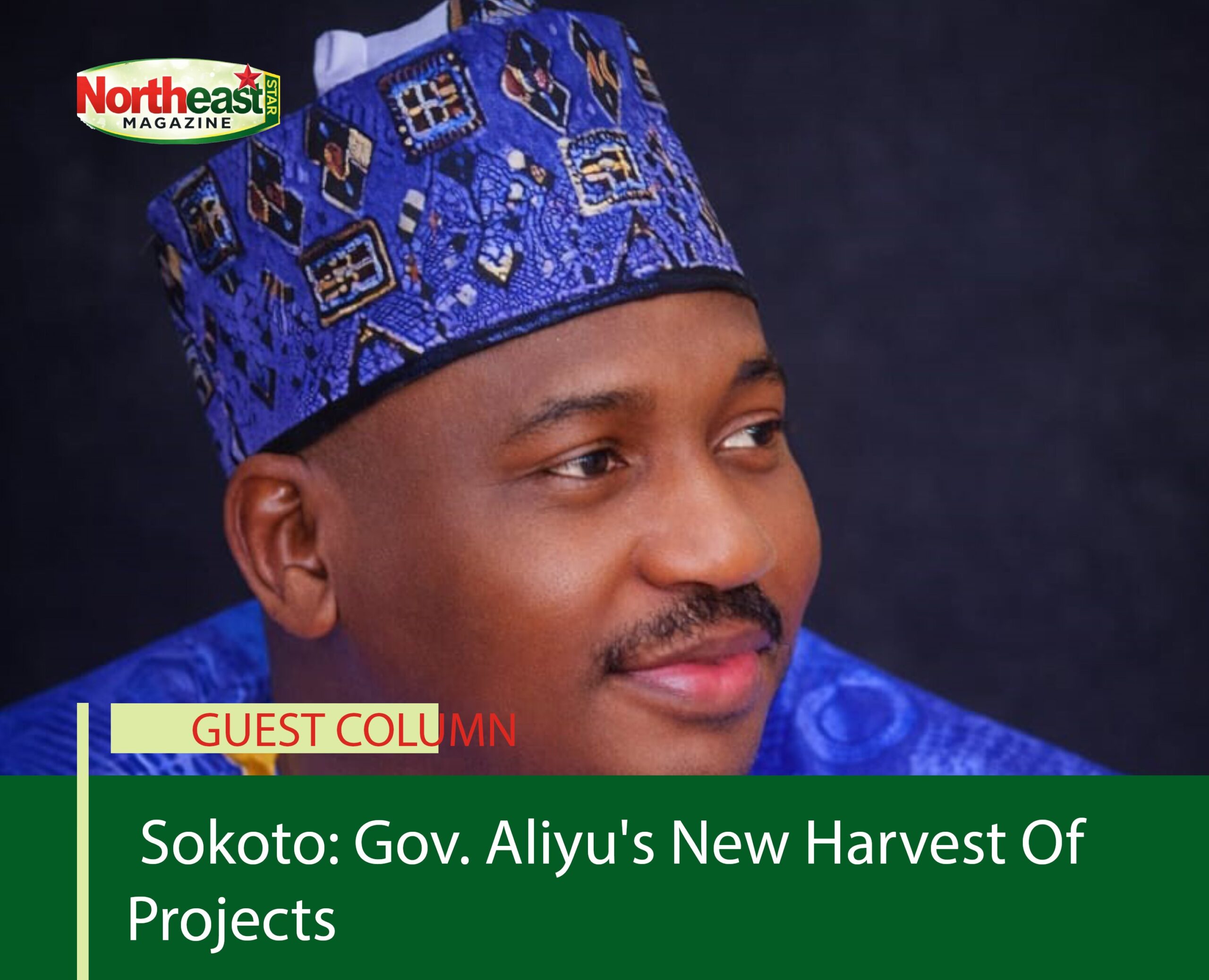
Sokoto: Gov. Aliyu’s New Harvest Of Projects
By Umar Yusuf
In politics, some leaders discuss their plans, while others quietly get to work. The latter category often allows projects and results to speak louder than press statements, political advertisements and endless public relations exercises.
Since the emergence of the Governor Ahmed Aliyu-led administration, commissioning ceremonies—whether for completed projects or the flag-off of new ones—have become a recurring feature of governance in Sokoto State. As the state once again enters another round of project commissioning activities this June, it becomes increasingly clear that Governor Ahmed Aliyu Sokoto is determined to reinforce a governing philosophy that has become synonymous with his administration: promises made must be pursued and delivered.
The ceremonies scheduled across different parts of the state are not isolated events. These ceremonies are part of a broader continuum of infrastructural renewal that has defined the administration since Governor Aliyu assumed office nearly three years ago.
To appreciate the significance of the projects currently being commissioned, one must first recall the circumstances under which the present administration came into office.
At the time Governor Aliyu took over the reins of leadership, many sectors of public life in Sokoto State required urgent intervention. Concerns exist across education, healthcare, transportation, housing, and rural development. Yet perhaps no challenge was as visible and as painful to ordinary citizens as the crisis surrounding potable water supply.
For many residents of the Sokoto metropolis and surrounding communities, access to water had become both difficult and expensive. Families spent considerable portions of their income purchasing water from vendors. What should ordinarily have been a basic social service had become a daily struggle.
Recognising the importance of water for public welfare, Governor Aliyu moved swiftly. He showed from the onset that he had no intention of treating water scarcity as a routine administrative challenge. To his government, water was an emergency requiring immediate and sustained intervention.
Massive investments were directed toward the rehabilitation and expansion of water schemes throughout the state. Ageing facilities were revived, abandoned projects were revisited, and new infrastructure was introduced to improve distribution. Projects such as the rehabilitation of the Old Airport Water Scheme, the Tamaje Water Scheme, and other strategic water facilities helped restore supplies to many communities that had endured years of shortages.
Today, even critics of the administration acknowledge the significant improvements in the water situation compared to previous conditions. The turnaround has not only reduced hardship for residents but has also restored confidence in the government’s capacity to respond effectively to public needs.
Water, however, represents only one chapter of a much broader story.
Over the last three years, the Ahmed Aliyu administration has embarked on an ambitious program of infrastructural development that touches virtually every sector of governance. Across the state, roads such as the Mabera-Mani Road, the Gawon Nama Axis, and several township roads have been constructed or rehabilitated, improving mobility and commercial activities.
Healthcare: Hospitals and primary care centres have received upgrades, equipment, and rehabilitation work aimed at improving service delivery. Educational institutions have similarly benefited from renovation projects, the provision of learning facilities, and investments intended to improve the learning environment.
The administration has also pursued housing projects, including the ongoing construction of hundreds of housing units for civil servants and vulnerable groups. Agricultural support programmes, youth empowerment initiatives and interventions targeted at stimulating local economic activities have equally featured prominently within the government’s development agenda.
What is perhaps most remarkable is the geographical spread of these interventions. Rather than concentrating development exclusively within the Sokoto metropolis, the government has consistently sought to extend projects into local government areas and rural communities.
This approach reflects an understanding that development is meaningful only when it reaches the people wherever they reside.
It is against this backdrop that the current round of commissioning activities should be viewed.
Last Friday’s commissioning of the Illela Jumu’at Mosque was more than a ceremonial event. It also provided an opportunity to reflect on the administration’s third anniversary and the progress recorded thus far.
The choice of Illela itself is significant. Situated along the border corridor, the town occupies an important position within the state’s commercial and social landscape. Investments in the area therefore carry implications not only for local residents but also for regional economic activities and cross-border trade.
Today, attention shifts to another important milestone with the commissioning of 100 housing units for internally displaced individuals in Illela Local Government Area.
At a time when insecurity has displaced thousands of citizens across different parts of Northern Nigeria, housing interventions targeted at vulnerable populations deserve recognition.
Providing shelter is not merely about constructing buildings. It’s about restoring dignity, rebuilding lives and creating conditions for displaced families to start over.
The decision to invite Professor Babagana Umara Zulum, Governor of Borno State, to perform the commissioning is equally symbolic.
Governor Zulum has earned national recognition for his commitment to rebuilding communities affected by insurgency. His participation underscores the importance of collaborative approaches to addressing displacement and humanitarian challenges.
Beyond the housing project, Professor Zulum will also perform the foundation-laying ceremony for the Illela International Market.
This project may ultimately prove to be one of the most economically consequential initiatives of the administration.
Markets are more than places where goods exchange hands. They are engines of local economies. They create jobs, stimulate investments, attract traders, and expand commercial opportunities in their surrounding communities.
Given Illela’s strategic location as a gateway community to the Republic of Niger, an ultramodern international market possesses the potential to transform trade activities while strengthening Sokoto State’s position within regional commerce. The benefits could extend far beyond local government boundaries.
The following day will witness another housing initiative in Rabah Local Government Area, where the foundation stone for an additional 100 housing units for internally displaced individuals will be laid.
The project demonstrates that the administration’s housing interventions are components of a wider policy framework aimed at social welfare, community rehabilitation and inclusive development.
Then comes the commissioning of the Mana Water Scheme on June 18, to be performed by the governor of Kano State, Abba Kabir Yusuf.
For some observers, the commissioning of another water project may appear routine. In reality, it is anything but routine when viewed against the backdrop of the severe water challenges that existed before Governor Aliyu assumed office.
Water remains one of the clearest indicators of governmental responsiveness. Every new scheme commissioned translates into reduced hardship for households, improved sanitation, better public health outcomes and enhanced economic productivity.
The Mana Water Scheme therefore represents another important step in consolidating gains already recorded within the sector.
The commissioning activities reveal that tangible outcomes ultimately measure governance.
Political speeches have their place. Campaign promises are necessary. But nothing can substitute for concrete impact, measured in flowing taps, functional roads, improved hospitals, modern schools, housing estates, and thriving markets.
These are the parameters through which citizens eventually judge governments. It’s ultimately about what people can see, touch and benefit from.
A road either exists or it does not. Again, a water scheme either supplies water or it fails to supply water. The same applies to housing estates, hospitals, schools, markets, and countless other public assets.
In this regard, the Aliyu administration appears determined to ensure that its record is defined by visible interventions rather than abstract promises.
Naturally, no government is beyond criticism. Challenges remain and expectations continue to rise. There are sectors where citizens still demand faster progress and broader interventions. Such demands are legitimate in every democratic society. However, it is also crucial to recognise and acknowledge progress whenever it occurs.
The projects being commissioned across Sokoto State this week provide further evidence that the administration continues to invest in infrastructure, social welfare, and economic development. More importantly, they demonstrate consistency in governance priorities rather than the abandonment of campaign commitments.
As the commissioning ceremonies unfold, they collectively represent something larger than individual projects scattered across different local government areas.
They represent the harvest of deliberate planning, sustained investment and a governing philosophy anchored on delivering visible benefits to the people.
For Governor Ahmed Aliyu Sokoto, this season of commissioning is therefore not merely a celebration of completed projects. It is a reminder that development is a continuous journey and that the true measure of leadership lies not in promises made but in promises fulfilled.
Umar writes from Sokoto.
The north need to face the reality
By Adamu Saleh
On a daily basis, innocent lives are being lost to the activities of Boko Haram, kidnappers, and other criminal elements across Northern Nigeria. Yet, our leaders—and even some members of the public—appear more preoccupied with political celebrations, singing and dancing in the streets as though all is well in the region and the country at large.
Meanwhile, our fellow citizens in the southern part of the country are increasingly vocal in expressing their frustration over the government’s inadequate response to insecurity. They seize every available platform to protest and demand accountability. Recently, students were kidnapped in Oyo State, prompting widespread outrage. Notably, popular artist Davido was seen wearing a jacket bearing the names of the abducted schoolboys, while social media activist VeryDarkMan was captured in a viral video at the Defence Headquarters in Abuja, calling for the immediate rescue of the victims.
The Northern region has arguably suffered the most from terrorism and banditry for nearly two decades. However, a sense of resignation and fatalism appears to have taken root among many of us, dulling the urgency to confront these challenges and safeguard the future of coming generations.
This situation is deeply troubling. It is time for us to rise, take responsibility, and collectively redefine our path as a people within this country.
Saleh can be reached through bappandada1@gmail.com

Gov. Yahaya Hails Professor Faruk Appointment as UMTH Chief Medical Director

Troops Kill Six ISWAP Terrorists, Recover Arms Cache in Adamawa

Nigeria Must Embrace Intelligence, Technology to Tackle Security Threats – Defence Minister

APC National Chairman Settles Gombe Central Contest, Raises DCP Ahmed’s Hand as Party’s Senatorial Candidate

Gombe Eyes Livestock-Led Economic Growth as Inuwa Yahaya Meets Minister

NGX Ends Week in the Green as ₦1.54 Trillion Boosts Investors’ Fortunes

-
 Politics4 months ago
APC National Chairman Settles Gombe Central Contest, Raises DCP Ahmed’s Hand as Party’s Senatorial Candidate
-
 Agriculture3 months ago
Gombe Eyes Livestock-Led Economic Growth as Inuwa Yahaya Meets Minister
-
 Economy10 months ago
NGX Ends Week in the Green as ₦1.54 Trillion Boosts Investors’ Fortunes
-
 Sport6 months ago
Gombe Aquatic Sports Body Unveils Board, Sets Stage for Competitive Debut
-

 Economy10 months ago
CBN’s End to Cash Withdrawal Limit
-
 Education10 months ago
Dangote Launches Landmark ₦1 Trillion Scholarship Scheme to Support 1.3 Million Nigerian Students
-

 Striking the Balance3 months ago
The $2,500 Threshold: Why Raising Nigeria’s GDP Per Capita Is Our Best Non-Kinetic Strategy for Peace
-

 Environment4 months ago
World Environment Day: NGO Urges Nigerians to Embrace Nature-Based Solutions Against Climate Change