
Defence
Former Military Spokesman Rabe Abubakar Dies in Captivity

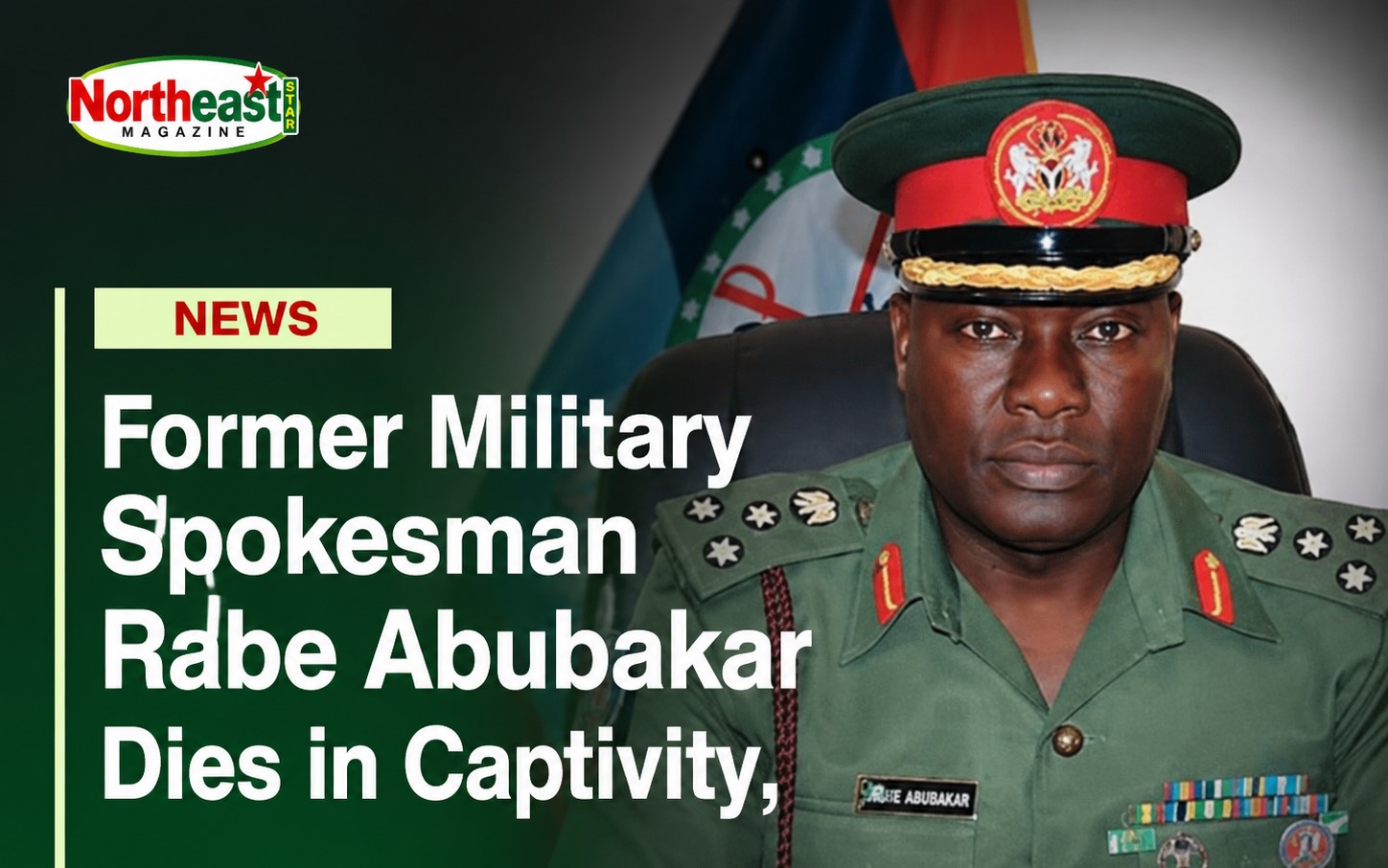
Former Military Spokesman Rabe Abubakar Dies in Captivity
By Jamila Muhammad
The Defence Headquarters (DHQ) has confirmed the death of retired Major General Rabe Abubakar, a former military spokesman, who died while in captivity after being abducted by his captors.
In a statement issued on Saturday, the Director of Defence Information, Major General Samaila Uba, described the late officer as a dedicated patriot whose contributions to Nigeria’s security and military development would be remembered for generations.
The military expressed profound sympathy to the family of the deceased, his former colleagues, and Nigerians at large, noting that Major General Abubakar served the nation with distinction in several strategic positions, including as Director of Defence Information and spokesperson for various military formations.
According to the statement, the retired general played a significant role in advancing Nigeria’s counter-insurgency operations and strengthening the professionalism of the Armed Forces of Nigeria (AFN).
“His commitment to duty and to the unity of Nigeria remains a shining example for all personnel of the Armed Forces of Nigeria,” the Defence Headquarters stated.
The military revealed that it deliberately refrained from public commentary following his abduction in order not to jeopardize ongoing rescue efforts.
“The Defence Headquarters withheld public comment on his abduction in deference to ongoing rescue efforts by the Armed Forces and sister security agencies. Every operational resource was deployed in the hope of securing his safe return,” the statement said.
Reacting to the tragic development, the military high command said the death of the retired officer has further strengthened its determination to intensify the fight against terrorists, kidnappers, and other criminal elements threatening national security.
The DHQ disclosed that military operations across the country have been reinforced in response to rising incidents of abduction, with renewed efforts aimed at dismantling terrorist networks and bringing perpetrators to justice.
“This sad loss further strengthens the resolve of the Armed Forces. We will remain resolute in the discharge of our constitutional mandate to defend the sovereignty and territorial integrity of Nigeria and to protect all citizens,” the statement added.
The military assured Nigerians that it would sustain ongoing operations until peace and security are restored nationwide.
“We assure Nigerians that the Armed Forces will not relent until peace and security are restored and those responsible for terrorist activities across the nation are held to account,” the statement concluded.
The passing of Major General Abubakar marks the loss of one of the Armed Forces’ most respected public affairs officers, whose career spanned several critical assignments within Nigeria’s security architecture and whose legacy of service remains deeply etched in the nation’s military history.
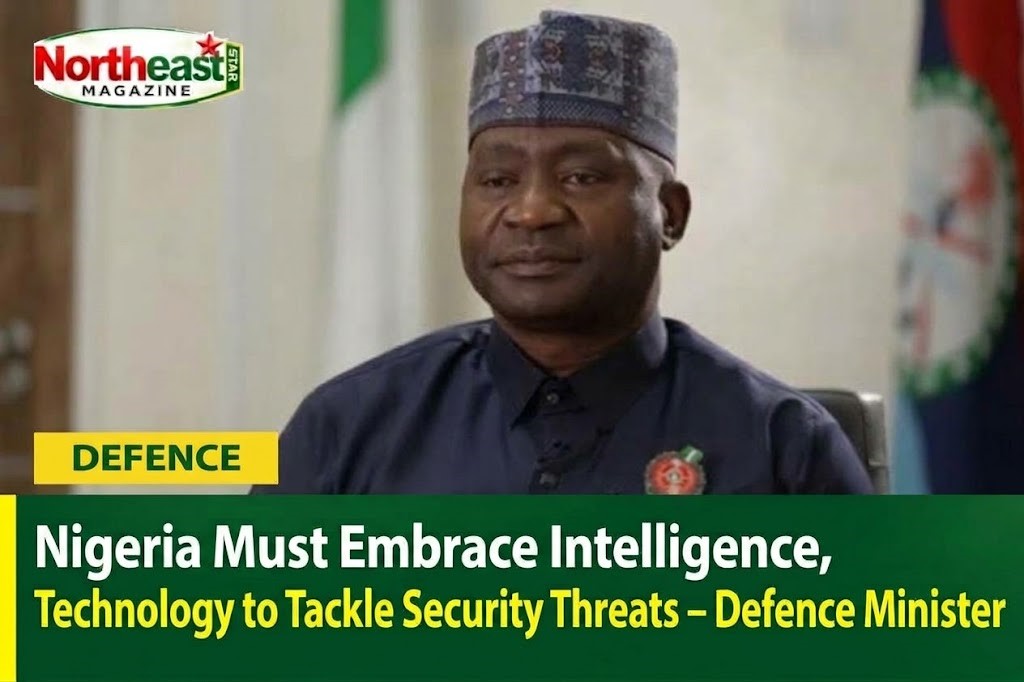
By Jamila Muhammad
Nigeria needs to strengthen intelligence gathering, deploy modern technology and improve cooperation among security agencies to confront evolving security threats, the Minister of Defence, retired Gen. Christopher Musa, has said.
Mr Musa made the call on Monday in Abuja at the conference and awards ceremony of the Defence Correspondents Association of Nigeria (DECAN), where he stressed the need to complement conventional military operations with more sophisticated approaches to national security.
The conference was themed “Beyond Kinetic Warfare: Harnessing Technology and Intelligence-Led Operations for Nigeria’s National Security”.
The minister, represented by his Senior Special Adviser on Foreign Relations, retired Air Commodore Steven Ogunmodede, said the changing nature of insecurity required security institutions to rethink how they detect, prevent and respond to threats.
He commended DECAN for choosing a theme that reflected the realities confronting the Nigerian Armed Forces and other security agencies.
According to him, military achievements should not be judged solely by visible activities such as troop deployments, battlefield engagements, territorial gains and arrests, as many critical security successes depend on intelligence and preventive action.
He said terrorists, criminal groups and other hostile actors were increasingly exploiting technological tools, financial networks, information systems and weaknesses in coordination among security agencies.
Mr Musa argued that an effective response required a combination of combat readiness, accurate intelligence, technological innovation, strategic planning and stronger collaboration among relevant institutions.
He explained that intelligence-driven operations enabled security agencies to identify threats before they materialised, trace criminal networks, anticipate attacks and conduct targeted interventions to minimise casualties.
The minister, however, cautioned that acquiring modern equipment alone would not guarantee success without adequately trained personnel, dependable systems and sound professional judgement.
He described technology as an instrument for enhancing military effectiveness, rather than a substitute for the expertise, discipline and decision-making abilities of security personnel.
Mr Musa said the Ministry of Defence and the Armed Forces were committed to improving intelligence sharing, strengthening situational awareness and adopting methods capable of enhancing operational performance.
He added that security institutions needed to remain innovative and responsive to emerging threats, while ensuring that investments in technology delivered measurable improvements in protecting citizens and safeguarding Nigeria’s territorial integrity.
The minister also called for closer coordination across the country’s security framework, noting that no single agency had all the resources, information and expertise required to address the nation’s security problems.
Turning to the media’s role in national security, Mr Musa said defence reporting required a careful balance between citizens’ right to know and the need to protect sensitive military activities.
He maintained that responsible journalism could promote transparency, strengthen public understanding of security operations and improve confidence in government institutions.
The minister noted that intelligence successes were not always visible to the public, explaining that operations that successfully prevented attacks might attract little attention, while sensitive intelligence could not always be disclosed without compromising security.
He said the absence of dramatic military engagements should not necessarily be taken as evidence that security agencies were inactive.
Mr Musa urged security institutions to communicate with the public accurately and promptly, saying credible information was essential to sustaining public trust.
He also encouraged defence correspondents to uphold professional standards, verify information and exercise sound judgement in reporting security developments.
While acknowledging the importance of media scrutiny in improving the performance of the Armed Forces, he warned that publishing unconfirmed claims or disclosing sensitive operational information prematurely could put military personnel, ongoing missions and civilians at risk.
He said journalists should continue to hold security institutions accountable while remaining mindful of the potential consequences of their reports in a sensitive operational environment.
By Musa Haruna
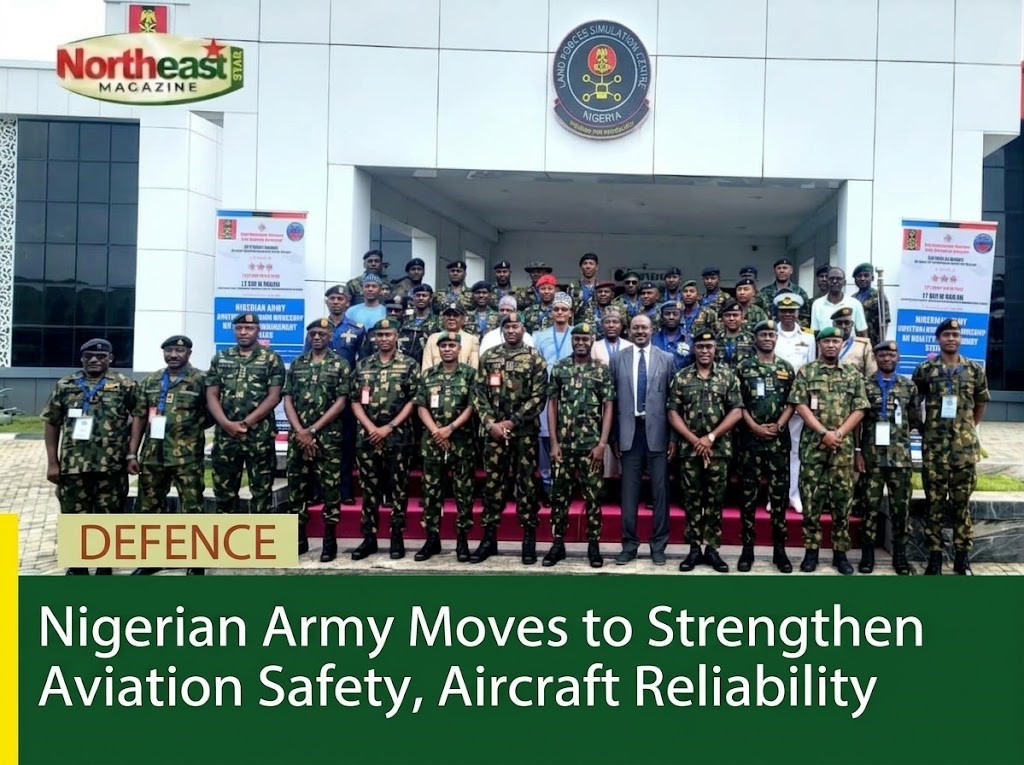
The Nigerian Army has begun efforts to strengthen quality control in its aviation operations, with a focus on reducing flight risks, improving aircraft serviceability and sustaining operational readiness.
The Chief of Army Staff, Lt.-Gen. Waidi Shaibu, announced the initiative on Monday in Abuja while declaring open a five-day workshop on Aviation Quality Management Systems organised by the Nigerian Army Aviation Command.
Shaibu, represented by the Chief of Standards and Evaluation, Maj.-Gen. Thompson Ugiagbe, said the growing demands of military aviation required effective systems for maintaining safety, enforcing standards and ensuring reliable operations.
He explained that having aircraft and skilled personnel alone was not enough to guarantee effective aviation support, stressing the need for quality assurance mechanisms that would promote consistency and operational efficiency.
According to him, a well-established quality management system would enable the Army to detect potential hazards, address lapses, enforce approved procedures and prevent recurring operational shortcomings.
The army chief said the need for such measures had become more important as the service continued to develop its aviation capabilities to support ground operations.
Since the re-establishment of Nigerian Army Aviation in 2014, he noted, the military had continued to invest in the platforms, personnel, facilities and structures needed to improve its operational capacity.
Shaibu said the workshop would allow participants to assess practical ways of strengthening aviation safety, maintenance procedures, record-keeping, quality assurance and compliance with established standards.
He expressed optimism that the discussions would generate workable proposals for establishing a sustainable quality management framework across the aviation command.
He urged participants to focus on measures that would improve safety practices, strengthen internal processes and ensure that aviation equipment remained dependable for military assignments.
Earlier, the Commander of the Nigerian Army Aviation Command, Brig.-Gen. Al-Amin Ibrahim, described quality management as a critical requirement for safe flight operations, aircraft availability and effective mission delivery.
Ibrahim said the system should be treated as an operational necessity rather than an administrative formality, noting that its effectiveness would influence accountability, mission performance and the Army’s overall combat preparedness.
He said the workshop was intended to develop a coordinated approach to standardisation, documentation, performance monitoring and continuous improvement throughout the command.
The commander also called on personnel to take collective responsibility for maintaining quality standards, regardless of their roles in the aviation unit.
He said the responsibility extended to officers, soldiers and civilian employees working in flight operations, aircraft maintenance, logistics, training, administration and other support services.
Ibrahim emphasised the importance of identifying and addressing potential problems before they developed into operational failures, urging participants to prioritise prevention over corrective action.
He identified strict compliance with procedures, effective supervision, risk assessment, prompt reporting and lessons learned from previous experiences as essential elements of a strong aviation safety culture.
The commander further disclosed that the workshop’s proceedings and recommendations would be documented in a compendium to support implementation, track progress and guide periodic reviews of quality management measures.
The five-day workshop, which began on Monday and is scheduled to conclude on Friday, brings together relevant stakeholders to develop strategies for improving quality assurance and promoting operational excellence within Nigerian Army Aviation.
By Tada Jutha, Maiduguri
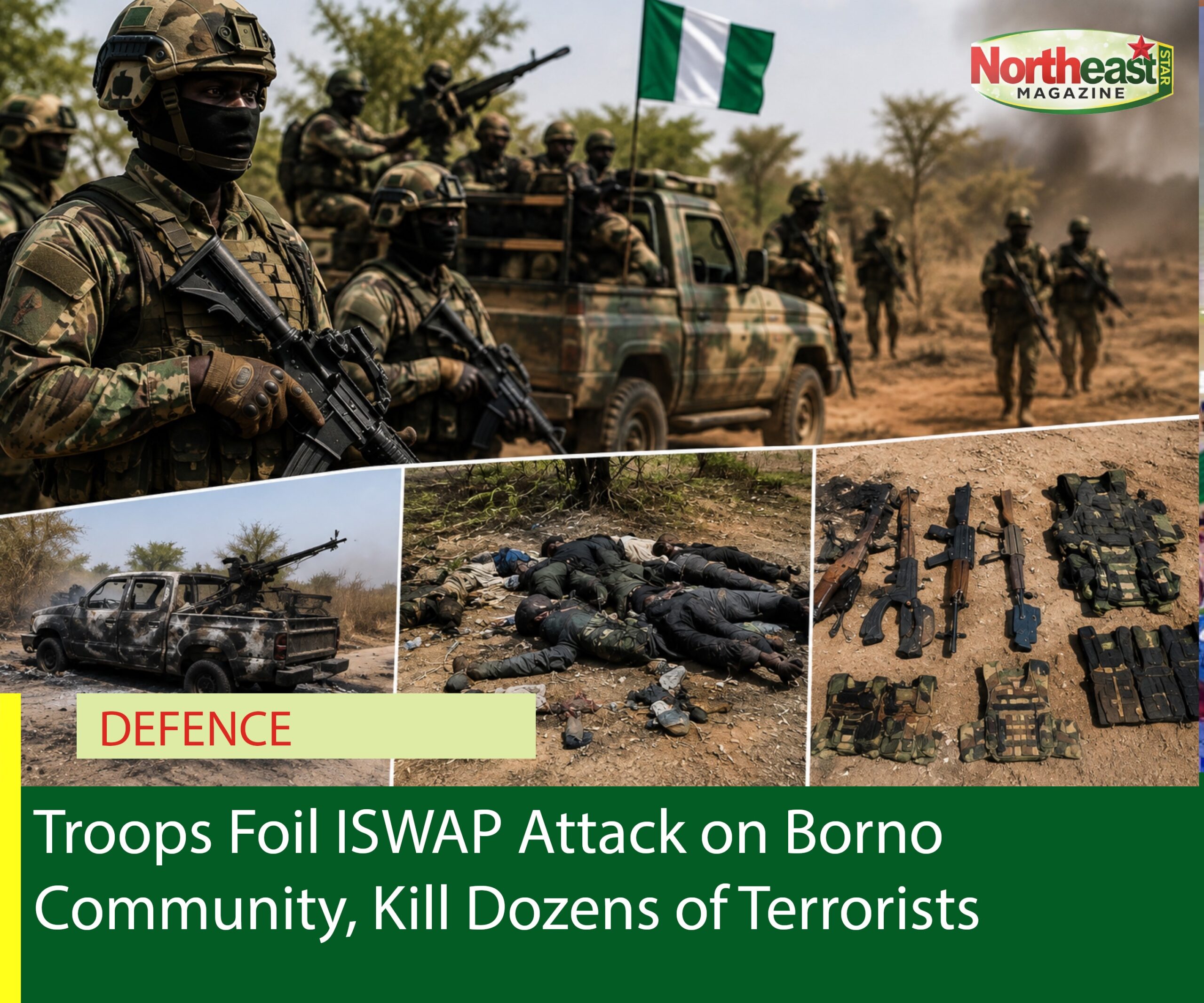
Troops of the Northeast Joint Task Force, Operation Hadin Kai (OPHK), have foiled an attempted attack by Islamic State West Africa Province (ISWAP) terrorists on a military formation in Mandaragirau, Biu Local Government Area of Borno State.
The attack was repelled in the early hours of today Saturday, along the Damboa-Biu road, with the military reporting that several terrorists were killed and a number of weapons and other equipment recovered.
In a statement issued in Maiduguri, the Acting Media Information Officer of OPHK, Capt. Mohammed Goni, said troops of the 162 Amphibious Battalion successfully defended their Forward Operating Base (FOB) in Mandaragirau against the attackers.
According to him, the terrorists launched a coordinated assault on the military position from two directions at about 2am.
He said troops detected the advancing fighters through early-warning and surveillance systems before deploying a combat team to intercept one of the groups.
“Contact was made, resulting in a heavy exchange of fire during which the combat team decisively defeated the attackers on that front,” Mr Goni said.
He added that another group attempted to circumvent the ambush team and infiltrate the military camp but was stopped by troops who responded with superior firepower.
The military spokesman said the coordinated response forced the terrorists to retreat towards the Timbuktu Triangle, with troops immediately launching a pursuit and combing the area and the routes used by the fleeing fighters.
The operation also led to the recovery of seven AK-47 rifles and ammunition, alongside other military hardware, according to the statement.
Other items recovered included a rocket-propelled grenade launcher, RPG bombs and chargers, a camcorder and other equipment believed to have been used by the terrorists.
Mr Goni said surveillance footage obtained after the encounter showed some of the fleeing terrorists attempting to drag the bodies of their dead colleagues towards the Timbuktu Triangle.
He described the operation as another demonstration of the troops’ preparedness and combat capability in confronting terrorist groups operating in the Northeast.
The Theatre Command of Operation Hadin Kai commended the soldiers of the 162 Amphibious Battalion for what it described as their courage, professionalism and tactical effectiveness in repelling the attack.
The command also reaffirmed its determination to sustain offensive operations against terrorist groups and prevent them from gaining freedom of action across the Northeast.
Operation Hadin Kai, the military said, remains committed to dominating the operational environment and restoring lasting peace and security in the region.

Nigeria Must Embrace Intelligence, Technology to Tackle Security Threats – Defence Minister

Nigerian Army Moves to Strengthen Aviation Safety, Aircraft Reliability

Rule of Law, Nigeria’s only hope of survival (1)

APC National Chairman Settles Gombe Central Contest, Raises DCP Ahmed’s Hand as Party’s Senatorial Candidate

Gombe Eyes Livestock-Led Economic Growth as Inuwa Yahaya Meets Minister

NGX Ends Week in the Green as ₦1.54 Trillion Boosts Investors’ Fortunes

-
 Politics4 months ago
APC National Chairman Settles Gombe Central Contest, Raises DCP Ahmed’s Hand as Party’s Senatorial Candidate
-
 Agriculture2 months ago
Gombe Eyes Livestock-Led Economic Growth as Inuwa Yahaya Meets Minister
-
 Economy10 months ago
NGX Ends Week in the Green as ₦1.54 Trillion Boosts Investors’ Fortunes
-
 Sport6 months ago
Gombe Aquatic Sports Body Unveils Board, Sets Stage for Competitive Debut
-

 Economy10 months ago
CBN’s End to Cash Withdrawal Limit
-

 Education10 months ago
Dangote Launches Landmark ₦1 Trillion Scholarship Scheme to Support 1.3 Million Nigerian Students
-

 Striking the Balance3 months ago
The $2,500 Threshold: Why Raising Nigeria’s GDP Per Capita Is Our Best Non-Kinetic Strategy for Peace
-

 Environment4 months ago
World Environment Day: NGO Urges Nigerians to Embrace Nature-Based Solutions Against Climate Change