
Latest News
How I Returned from the Gate of the Other World (3)

The Arbiter
How I Returned from the Gate of the Other World (3)
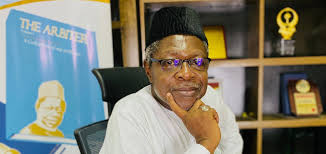
By Hassan Gimba
I want to believe Allah (SWT) brought me back to read my scorecard. He does that whenever He wants. All the more reason to forgive those who transgressed against you and seek forgiveness from those you have hurt. Importantly, Dr Imdad of Al Shifa Hospital told me that one should continue doing the good things they have been doing for humanity.
And this was why He answered the prayers of the multitude of people who interceded with Him on my behalf. People, some I knew, many I never knew from Adam. There were prayers in the National Mosque in Abuja; in many mosques, including the central mosque in Potiskum, and in several local governments in Yobe.
There were special prayers by members of the Islamic Movement in Nigeria in Potiskum and several other centres. Nigerian brothers in Qum and Karbala also contributed their quota. And these prayers were not only on Fridays but also at every given opportunity.
Individuals also contracted others to pray for me; even their children, from as early as when they were able to talk, prayed for me. The prayers of some kids were recorded and sent to Makkah, where they were replayed in my ear when I was sojourning between this world and the other.
My siblings, in addition to many other forms of prayer, shared and read portions of the Holy Qur’an amongst themselves and with our children. They did not leave out the youngest, who could read the holy book. The same with my in-laws in Maiduguri.
A person may be forgiven if they thought Facebook and other social media apps were created for them because the people praying for them took them over. It is heartwarming that many, many people — family, friends, associates, those known and unknown to me — were all praying for me. I was surprised to hear that some Christian associates, pastors and a church in Ghana had put me in their prayers, too.
On my birthday, April 9, social media was filled with messages of goodwill, “get well soon” wishes and prayers for more health and a long life. Many people I did not even expect were so prominent in their prayers for me. Exemplary examples, out of many, were distinguished Senator Musa Mustapha (Coolers) and Professor Abubakar Bukar Kagu, the Matawalli of Machina. The senator’s message was long and heart-touching.
In Makkah, too, prayers for me were many and earnest. Many of those who knew me and went for Umrah prayed for me. Even the Makkah dwellers we encountered, such as our landlord Ali Bukar, his family, and numerous others, did not lag behind. My two wives, Dr Aminat Zakari and Hajiya Falmata Baba Adam, together with my son Abubakar Sadik, were always performing Umrah and, most times, circumambulating the al-Ka’bah al-Musharrafah (simply Ka’aba). On all occasions, they were praying for me. But the prayers were not limited to this.
I was in the intensive care unit (ICU) of Al Shifa, and visits were twice a day — 11 am and 9 pm — for 30 minutes each. One night, my wife, Dr Aminat, visited. I was then between this world and the other one and so did not even know she came because I was not aware of my physical environment. She watched me, cried, and left, but she did not go far; she sat outside the hospital crying and praying for me.
According to her, Dr Tamer, the chief medical officer there, came down to go home. He saw her and stopped. Then she realised it was around 1:30 am. He asked her, “You are still around?” She answered him in the affirmative. It was not visiting time then, yet he asked her, “Do you want to see him?” and she said, “Yes.” He broke the rule and brought her in to see me, forgoing his need to go home and rest.
When they came to me, she was just watching me and shedding tears. To her surprise, he, too, started tearing up. Then he showed his humility and belief in Allah’s powers and will. He told her, “Please pray for him and pray for us (the medical team) … we are also praying for him.” He would tell my family not to worry when they asked for the hospital bills. “Let us take care of him first,” he would say.
I used to think Arabs were racists, but the doctors and nurses at Al Shifa have cleansed me of that thought. Here was I, a poor Black man from Nigeria who could not profit them in any way, yet they gave their all to restore my health.
Doctor Tamer is like a father figure wherever he is. He always electrifies the hospital whenever he arrives. He went out of his way to get me a visa, get insurance to underwrite my hospital bills and secure an airline well-equipped to bring me home.
Dr Nazee, who was directly in charge of me, was a bubbly chap who also, like Dr Tamer, took my case personally.
Dr Imdad, the only non-Egyptian among them, is a Pakistani with a melodious voice. He presents the impression of being the life of the party. Kind-hearted, he comes close to a patient, propping him up psychologically. I recall him telling me to eat food. “You may not like it,” he told me. “Just eat.” And that was how I found myself eating the spiceless, bland Arabian food served to me.
Dr Hassan and Dr Ahmed Alsaid are two other great doctors there.
I could not get the name of the hospital’s chief executive officer, who used to come to the hospital now and then. One day, he stood by the door and blew kisses towards me. He, too, knew about Gimba the Fighter.
Hey, do you want to know about a nurse at Al Shifa Hospital whose wonderful-great-grandparents might have fought side by side with the Prophet at the Battle of Badr or who was born around that time?
Hassan Gimba is the publisher and CEO of Neptune Prime.
Latest News
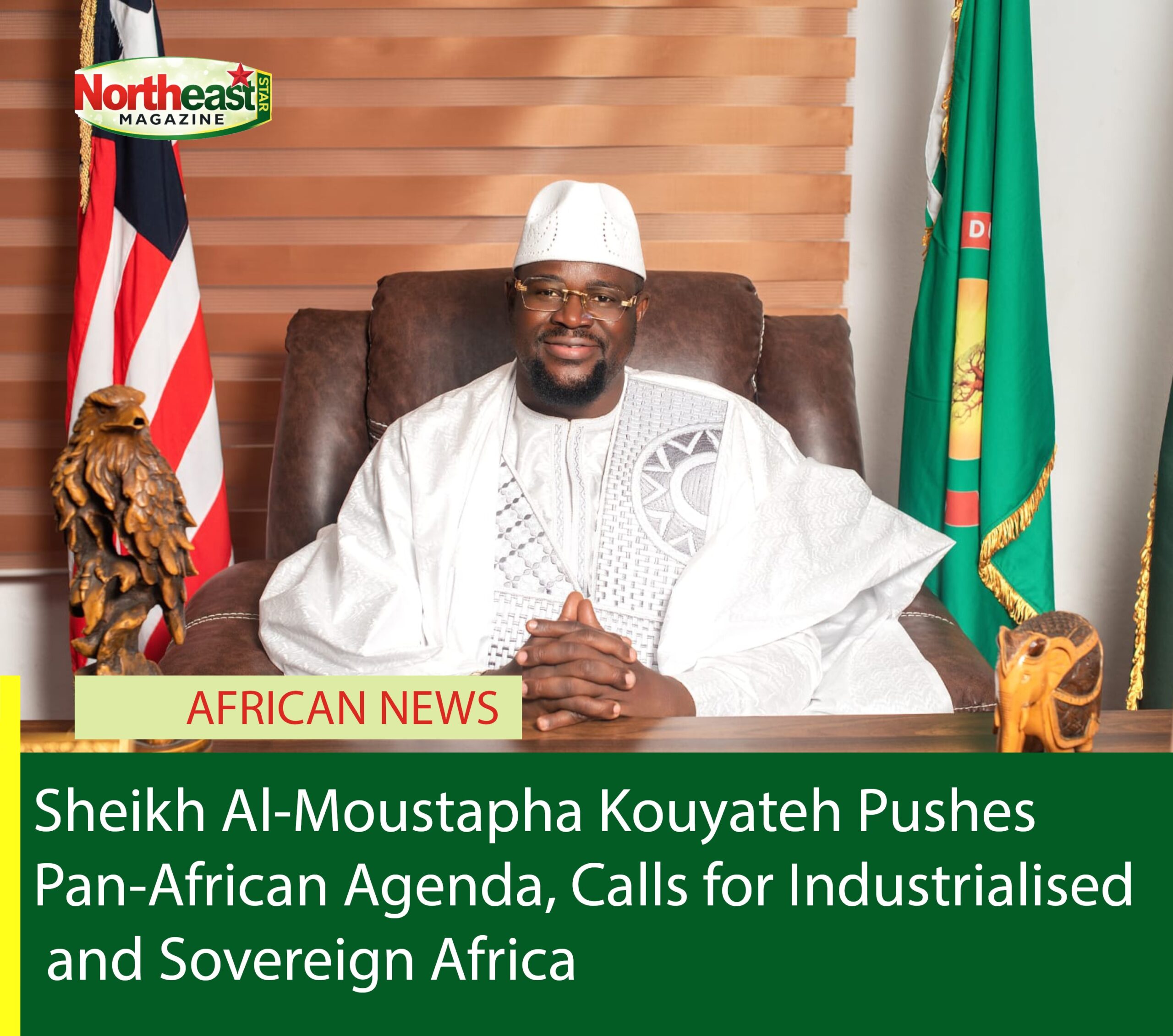
Sheikh Al-Moustapha Kouyateh Pushes Pan-African Agenda, Calls for Industrialised and Sovereign Africa
Sheikh Al-Moustapha Kouyateh Pushes Pan-African Agenda, Calls for Industrialised and Sovereign Africa
By Auwal Ahmad
Sheikh Al-Moustapha Kouyateh, widely known as “Farafina Mansa,” has renewed his call for a united, economically independent and industrialised Africa, urging African nations to prioritise local value addition, accountable leadership and reconciliation as the foundation for sustainable development.
The prominent Pan-African advocate, who previously served as Liberia’s Ambassador-at-Large, High Representative for Special Missions and Special Envoy to the President, has built his public profile around a vision that seeks to transform Africa from a supplier of raw materials into a continent driven by manufacturing, innovation and economic self-reliance.
Speaking through his long-standing advocacy, Kouyateh argues that Africa’s vast natural resources should serve as a catalyst for prosperity on the continent rather than enriching foreign economies.
“Africa must control its own destiny by processing its resources locally, creating industries, jobs and wealth for its people,” Kouyateh has consistently maintained in articulating his development philosophy.
At the centre of Kouyateh’s agenda are four principles he describes as essential for Africa’s future: reconciliation, empowerment, accountability and development.
According to him, lasting peace and national cohesion are prerequisites for political stability and economic progress. He believes African countries must first address internal divisions before pursuing broader continental integration.
He also advocates empowering Africans to take greater control of their economies through industrial growth and local ownership of strategic sectors, while insisting that public officials must remain accountable for the management of national resources.
For Kouyateh, development should ultimately translate into improved living standards for ordinary citizens rather than benefiting only political or business elites.
One of the concepts closely associated with Kouyateh’s advocacy is what he calls “Dangotization”—an economic model that encourages African countries to process their raw materials locally instead of exporting them in their unprocessed form.
The idea, inspired by Africa’s growing industrial capacity, promotes investment in manufacturing, value addition and domestic industries capable of generating employment and strengthening economic sovereignty across the continent.
Supporters of the approach argue that it could reduce Africa’s dependence on imported finished goods while increasing revenue from its abundant natural resources.
Kouyateh served for more than two years in Liberia’s government as Ambassador-at-Large and Special Envoy, during which he said he declined remuneration attached to the office.
He explained that the decision reflected an earlier pledge made during his 2014 Senate campaign in Montserrado County to dedicate much of his income to public-interest causes, including education, healthcare and governance reforms.
During his tenure, however, Kouyateh became an outspoken critic of the management of Liberia’s natural resources, arguing that concession agreements involving key mineral assets delivered insufficient benefits to Liberians.
He also raised concerns about transparency in contracts involving major international mining companies, including references to agreements with ArcelorMittal.
His remarks generated political debate and drew criticism from sections of Liberia’s political establishment. After declining calls by lawmakers to retract some of his statements and apologise publicly, he eventually left office following a vote of no confidence.
Following his exit from government, Kouyateh intensified his Pan-African activities through the establishment of the African People’s Movement (APM), an organisation that promotes African unity, economic independence and responsible governance.
The movement is described by its promoters as one inspired by leading Pan-African thinkers, including Professor PLO Lumumba, and seeks to advance policies that encourage continental integration beyond national and ethnic boundaries.
Its vision centres on an Africa capable of transforming its own resources, strengthening regional cooperation and ensuring that economic growth directly benefits African citizens.
Kouyateh continues to advocate for deeper cooperation among African nations, arguing that sustainable prosperity depends on industrialisation, responsible leadership and stronger economic integration.
His message consistently emphasises reconciliation among peoples, economic empowerment, transparency in governance and development that creates opportunities for future generations.
For many supporters, the man known as “Farafina Mansa” remains one of the contemporary voices championing an Africa that is politically sovereign, economically resilient and firmly in control of its own development path.
Latest News
Ex-Gombe Deputy Governor Hails Velocity Foundation for Empowering Christian Clergy in Gombe
Ex-Gombe Deputy Governor Hails Velocity Foundation for Empowering Christian Clergy in Gombe
By Auwal Ahmad Umar
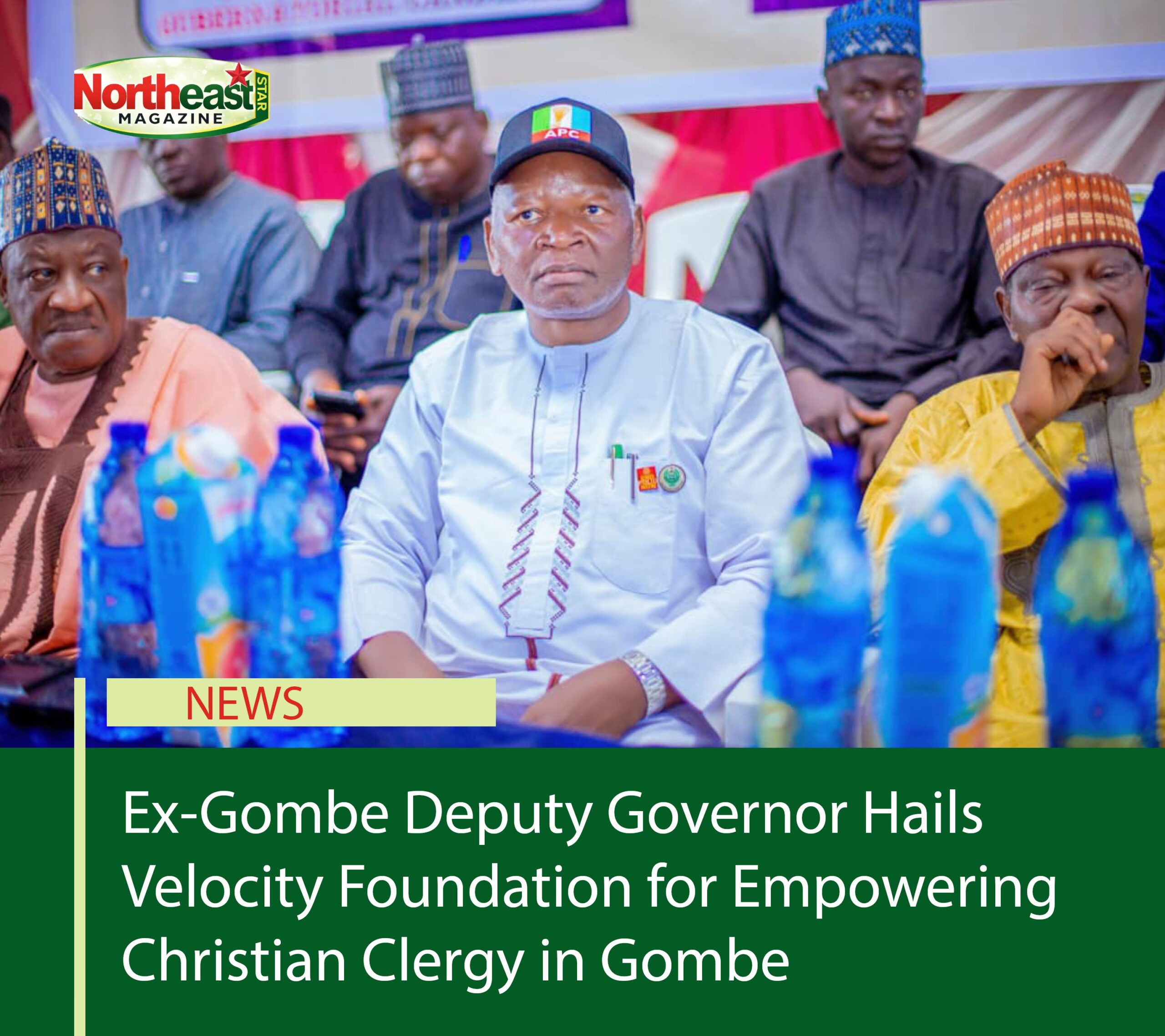
Former Deputy Governor of Gombe State, Charles Iliya, has praised the humanitarian efforts of the Velocity Humanitarian Foundation, describing its support for Christian clergy as a significant contribution to peacebuilding, religious tolerance and community development in the state.
Speaking at an empowerment programme organised by the foundation, Iliya said the initiative reflects the founder’s commitment to promoting unity and improving the welfare of religious leaders, regardless of faith or background.
He noted that the intervention would enable Christian clerics to strengthen their service to their congregations while encouraging peaceful coexistence among people of different religious beliefs.
According to him, the foundation’s decision to extend assistance to Christian leaders demonstrates that genuine humanitarian service should not be influenced by ethnic or religious considerations.
Iliya said such interventions complement government efforts aimed at improving the living conditions of vulnerable residents and fostering social cohesion across communities.
He urged the Velocity Humanitarian Foundation to sustain its charitable programmes, stressing that many disadvantaged families and religious leaders would continue to benefit from its interventions.
The former deputy governor also appealed to wealthy individuals, corporate organisations and other philanthropists to emulate the foundation by investing in initiatives that promote inclusiveness, social welfare and sustainable community development.
Also speaking, the Gombe State Chairman of the All Progressives Congress (APC), Alhaji Mohammed Inuwa Dantata, commended the foundation for demonstrating that compassion and humanitarian service should rise above political, ethnic and religious differences.
He said the foundation’s support for Christian clergy sends a strong message of unity and mutual respect, values he described as critical to maintaining peace and stability in Gombe State.
Dantata encouraged beneficiaries to make effective use of the assistance provided to improve their lives and communities, while urging the foundation to broaden its humanitarian outreach to include more vulnerable groups across the state.
Representing the foundation, Abubakar Danzariya said the organisation remains committed to supporting vulnerable people irrespective of their religion, ethnicity or political affiliation.
He explained that the empowerment of Christian clergy aligns with the foundation’s broader vision of reducing hardship, promoting social justice and strengthening harmony among diverse communities in Gombe State.
According to him, the founder of the foundation, Engr. Aliyu Muhammad Kombat, believes that every citizen deserves equal opportunities and access to support that can improve their standard of living.
Danzariya said the foundation would continue to implement programmes in education, healthcare, youth and women empowerment, humanitarian assistance and community development as part of its long-term strategy for improving livelihoods.
He added that the interventions are designed to produce sustainable results by enhancing the well-being of vulnerable residents and creating opportunities for self-reliance.
Danzariya also appreciated community leaders, Christian organisations and volunteers who partnered with the foundation to ensure the successful implementation of the programme.
He reaffirmed the commitment of Engr. Kombat to building a more peaceful, united and prosperous society through sustained humanitarian interventions that reach people without discrimination.
Zulum assesses security situation, ongoing capital projects in Borno South
By Tada Jutha, Maiduguri
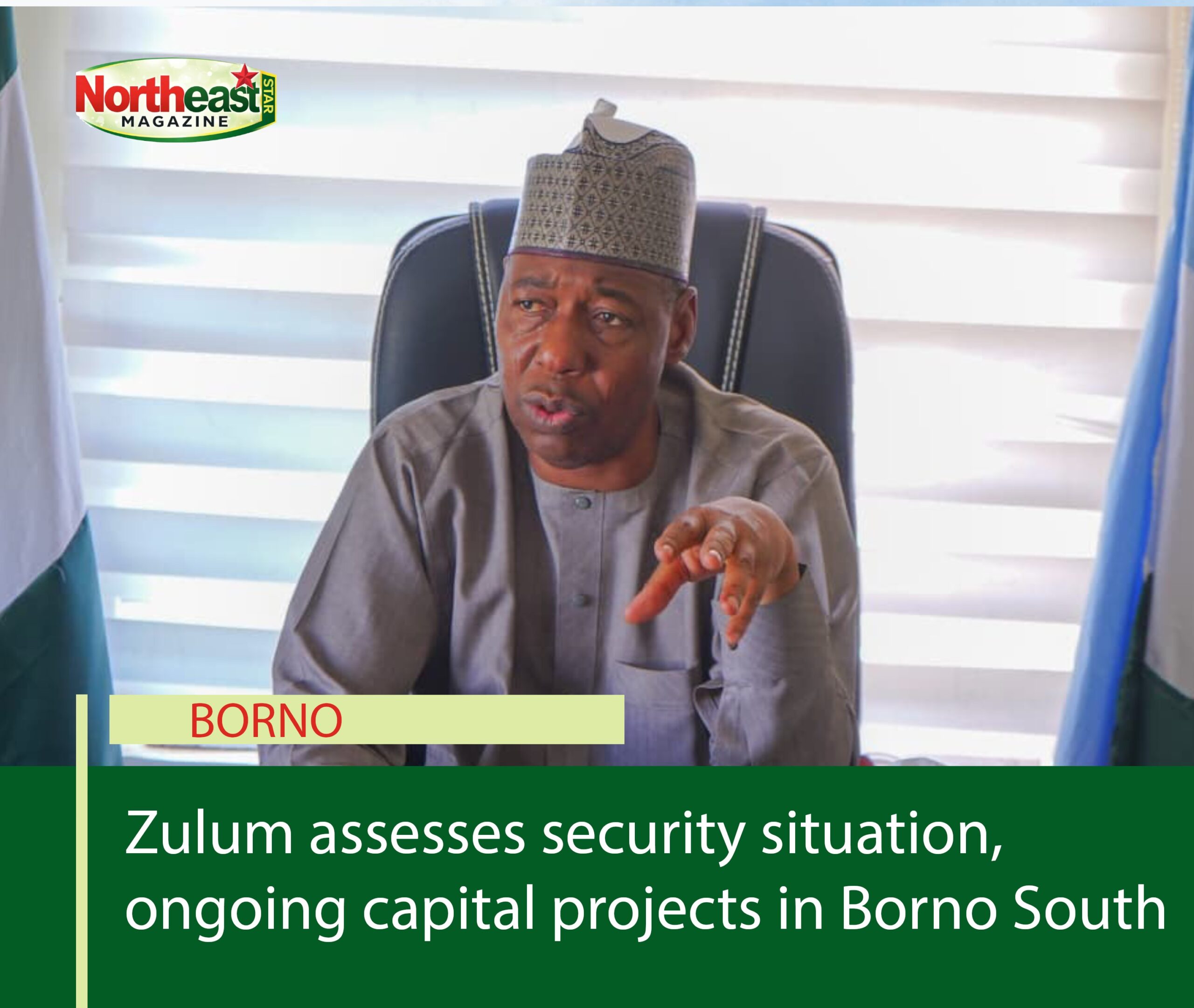
Borno State Governor Babagana Zulum performed his official government duties on Thursday from the Zonal Department of Monitoring, Evaluation and Special Projects (MESP) office in Biu, Biu local government area.
This underscores his administration’s commitment to grassroots governance and bringing government closer to the people.
The Biu MESP zonal office, which operates under the Governor’s Office, was established and commissioned by Governor Zulum in 2022 to strengthen public service delivery, enhance accountability, improve project monitoring and evaluation, and accelerate infrastructural development across the Southern Borno senatorial zone.
Similar zonal offices have also been established in Monguno and Bama to serve the Northern and Central Senatorial Districts, respectively.
Thursday’s engagement marked the first time Governor Zulum officially operated from the Biu Zonal Office since its establishment, making it a significant milestone in the decentralisation of government operations.
The Governor, while in the office, met with the Sector 2 Commander of Operation Hadin Kai, Brigadier General Edet Effiong, and the Brigade Commander, 29 Taskforce Brigade, Benishiekh, on how to consolidate the recent gains in the counterinsurgency operations.
The governor’s decision to conduct official state business from the facility reflects his leadership philosophy of taking governance to the grassroots rather than confining government activities to Maiduguri.
Throughout the past seven years, Zulum has maintained a unique style of governance, travelling extensively across all 27 local government areas to personally assess projects and engage directly with the community.
In addition to operating from the Government House, the governor has, since assuming office in 2019, regularly conducted official functions from the Musa Usman Secretariat, which serves as his second operational office for attending to state affairs.
Zulum is currently on a working tour of Southern Borno. On Wednesday, he flagged off the 2026 Wet Farming Season and launched the sales and distribution of 200 truckloads of NPK fertiliser at 50 per cent subsidised rates, alongside the distribution of free agrochemicals, knapsack sprayers, certified seeds, water pumps and 10,000 bicycles to smallholder farmers in Kwaya Kusar Local Government Area.
During the visit to Biu, the governor also announced the employment of 100 unemployed graduates from Biu Local Government Area as part of measures to tackle youth restiveness, political thuggery and other social vices. The announcement was made during a courtesy visit to the Emir of Biu, Alhaji (Dr) Mustapha Umar Mustapha II.
The governor also met with members of the National Youth Service Corps (NYSC) serving in Biu, where he announced a welfare package of ₦50,000 for each corps member.
As part of the intervention, corps members who are nursing mothers will receive an additional ₦200,000 each, while the NYSC Zonal Inspector was given ₦250,000. Other NYSC officials, including the liaison officer, received ₦100,000 each in recognition of their service and commitment.

Gombe Health System Gets Global Lift With WHO Laboratory Accreditation

FG, Stakeholders Move to Build New National Peace Policy for Nigeria

2027: Tsangaya Teachers Endorse Gwamna to Consolidate Inuwa’s Education Reforms

APC National Chairman Settles Gombe Central Contest, Raises DCP Ahmed’s Hand as Party’s Senatorial Candidate

Gombe Eyes Livestock-Led Economic Growth as Inuwa Yahaya Meets Minister

Gombe Aquatic Sports Body Unveils Board, Sets Stage for Competitive Debut

-
 Politics2 months ago
APC National Chairman Settles Gombe Central Contest, Raises DCP Ahmed’s Hand as Party’s Senatorial Candidate
-
 Agriculture2 weeks ago
Gombe Eyes Livestock-Led Economic Growth as Inuwa Yahaya Meets Minister
-
 Sport4 months ago
Gombe Aquatic Sports Body Unveils Board, Sets Stage for Competitive Debut
-
 Striking the Balance1 month ago
The $2,500 Threshold: Why Raising Nigeria’s GDP Per Capita Is Our Best Non-Kinetic Strategy for Peace
-

 Economy8 months ago
NGX Ends Week in the Green as ₦1.54 Trillion Boosts Investors’ Fortunes
-

 Environment2 months ago
World Environment Day: NGO Urges Nigerians to Embrace Nature-Based Solutions Against Climate Change
-

 Economy8 months ago
CBN’s End to Cash Withdrawal Limit
-
 Education8 months ago
Dangote Launches Landmark ₦1 Trillion Scholarship Scheme to Support 1.3 Million Nigerian Students