
Opinions
Malami And The Curse Of History

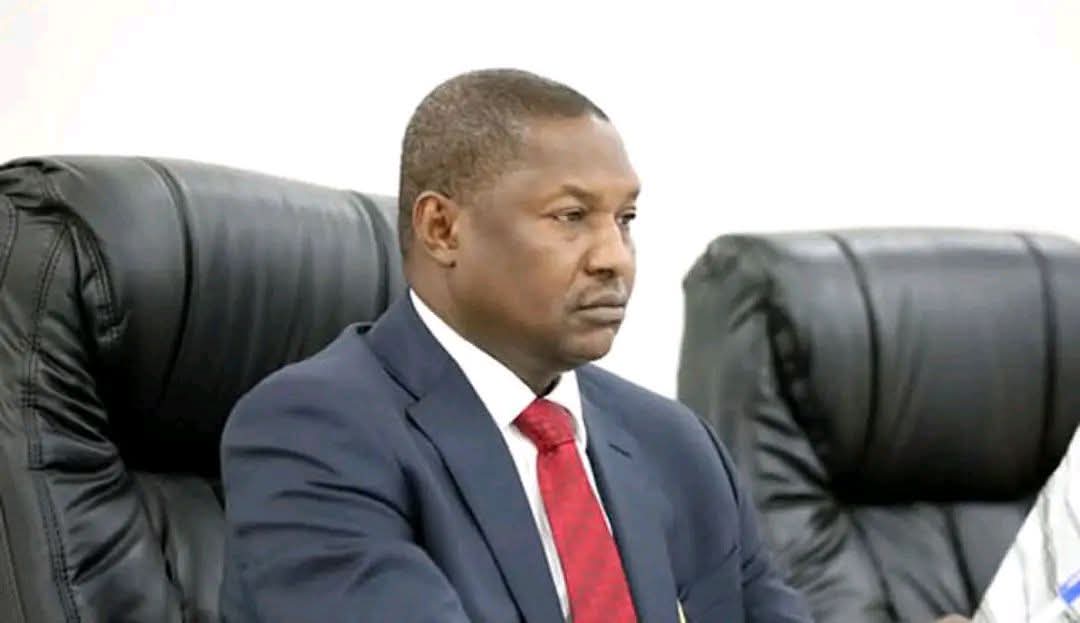
Malami And The Curse Of History
By Sani Faruk
In what appears to be his first visit to Kebbi State since the corruption allegations against him began to gain traction, Abubakar Malami, the erstwhile Minister of Justice and Attorney General of the Federation, was treated to a reception that sent the internet into overdrive.
In the viral video, his convoy was allowed through the heart of Birnin-Kebbi, the state capital of Kebbi state, before groups of young people reportedly gathered along the route, chanting “barawo bai mulki”, a Hausa expression loosely translated as “a thief cannot govern.” The chants, captured in viral videos circulating on social media, have been interpreted by many observers as a reflection of growing public frustration with political figures facing serious corruption allegations who dare to imagine they could run for public office.
This incident, coming at this time when Malami is facing intense scrutiny following investigations by the Economic and Financial Crimes Commission (EFCC) into a vast portfolio of properties allegedly linked to him, is not a coincidence.
This is more so considering, just around the same period that the video of the protest hit the internet, another video surfaced online, this time, an interview granted by former Jigawa State governor and prominent PDP stalwart, Sule Lamido. In the interview aired by DCL Hausa, Lamido revisited what he described as the political persecution he faced during Malami’s tenure as Attorney General.
Lamido alleged that he was targeted for investigation primarily because he refused to abandon the Peoples Democratic Party (PDP) during the height of the political realignments of Buhari and Malami’s era. In a tone that combined frustration and irony, the former governor contrasted the modest properties attributed to him, for which he was harassed on trumped up corruption charges, with the vast portfolio that investigators say is linked to Malami.
The contrast, Lamido suggested, raises troubling questions about power, accountability, and the use of state institutions for political ends. Yet, for Lamido, the battle was swift, transparent and without the every drama that has characterised Malami’s cat and mouse game with the EFCC.
Indeed, the EFCC’s ongoing probe has uncovered what investigators describe as a complex network of high-value assets allegedly connected to Malami. According to court filings and investigative reports, the anti-graft agency has traced dozens of properties to the former Attorney General across Kebbi State, Kano State, and the Federal Capital Territory, Abuja.
Among the properties reportedly under investigation are luxury residential estates, hotels, commercial complexes, schools, factories, and a printing press. One of the most prominent assets mentioned in the investigation is a private university project identified as Rayhaan University in Birnin Kebbi, which investigators claim is linked to the former minister.
Investigators have also reportedly identified multiple luxury hotels and residential estates in Birnin Kebbi, extensive landed properties and mansions in Abuja, as well as commercial buildings and industrial facilities in Kano. In total, the EFCC says it has traced over 41 high-value properties valued at roughly ₦212 billion to Malami and entities believed to be connected to him. Court documents further allege that some of these properties were acquired through proxies and companies used to conceal the origin of funds.
In addition to the asset investigation, the Federal Government has filed multiple counts of money laundering against Malami, his son Abdulaziz Malami, and an associate, Hajia Bashir Asabe. The charges stem from alleged laundering of funds exceeding ₦1.014 billion, which prosecutors claim were routed through corporate entities to disguise their origin. For many observers, these revelations present a stark contrast with the image Malami projected during his years in office.
As the nation’s chief law officer between 2015 and 2023, Malami wielded enormous influence over Nigeria’s justice system. His office supervised high-profile corruption prosecutions, initiated legal actions against political opponents, and often positioned itself as a defender of the anti-corruption agenda of the administration he served.
However, revelations now show that his tenure was also marked by controversies, ranging from allegations of selective prosecution to claims that political considerations sometimes influenced legal decisions. It is within this context that Lamido’s recent remarks resonate with many Nigerians.
The former governor’s reflections paint a picture of a once-powerful official who aggressively pursued political adversaries while allegedly accumulating immense wealth behind the scenes. Whether those allegations ultimately stand in a court of law remains a matter for the judiciary to determine. Nevertheless, the political optics are already damaging for Malami’s obsessive pursuit of power in Kebbi.
Not even Malami’s desperate attempt to frame the investigations against him as politically motivated has been of any help to him. If anything, his insistence that he is being persecuted for leaving the All Progressives Congress (APC) and aligning himself with opposition political forces seems to be chugging away at whatever little credibility he has left.
While such claims are not uncommon in Nigeria’s political landscape, especially where corruption probes are often interpreted through partisan lenses, the weight of the allegations against Malami makes the argument difficult for many citizens to accept at face value. After all, the justice system may operate strictly on evidence and legal procedure, but the court of public opinion operates on memory. And as we know, memory is often unforgiving.
For many Nigerians, it appears contradictory that a man who once presided over the nation’s legal machinery, and who oversaw the prosecution of numerous political figures, now finds himself in the position of defending his own actions under similar scrutiny. This is precisely why the reception he received in Kebbi struck such a symbolic chord.
Although, politics in Nigeria can be remarkably forgiving. There are evidence of public figures accused of wrongdoing managing to reinvent themselves, return to the political stage, and sometimes even win higher office. But that forgiveness usually requires time, humility, and a convincing demonstration that lessons have been learned. None of these can be said in the case of Malami.
This is what the recent episode suggests. The message is that many young people in Kebbi state and indeed across Nigeria, are no longer willing to extend such indulgence so easily. Their chants, spontaneous or otherwise, reflect a deeper frustration with a political culture in which powerful figures appear untouchable while ordinary citizens bear the consequences of systemic corruption.
If anything, the unfolding saga surrounding Malami illustrates a timeless political truth that power is temporary, yet the consequences of actions taken while in power often linger far longer than expected.
For a man who once stood at the apex of Nigeria’s legal system, the irony is difficult to ignore. The very machinery of accountability that he once controlled is now the same system examining his own conduct.
In the end, the real verdict will not only come from the courts. It will also come from history, and from the citizens whose trust public officials are sworn to protect. Let the Malami fall from grace be a lesson, that power is nothing without control.
Faruk writes from Abuja
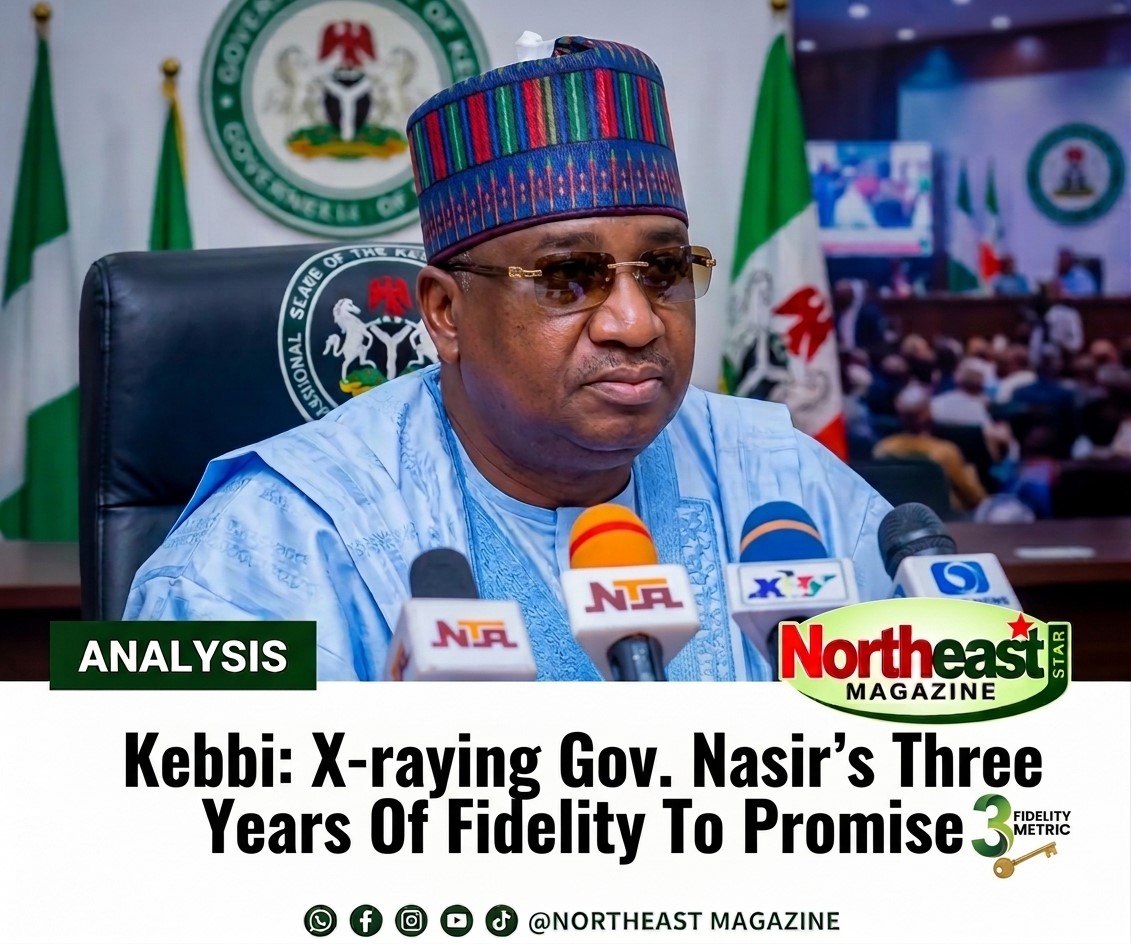
Kebbi: X-raying Gov. Nasir’s Three Years Of Fidelity To Promise
By Rabi’u Isma’il
In politics generally, but especially Nigerian politics, promises are the cheapest oxygen of electioneering. The people are regaled with stories of how the aspirant will turn deserts into sprawling green lands in weeks after the election. However, more often than not, these promises vanish into thin air immediately after mandates have been secured. Governance becomes where rhetoric goes to die naturally.
Across Nigeria, campaign speeches are often replete with polished, poetic rhetoric but painfully short on delivery. Grand declarations are made with fanfare, manifestoes are unveiled with solemnity, and citizens are painted a very radiant picture of the future. Unfortunately, it dissolves into familiar darkness shortly after inauguration. That reality perhaps explains why many Nigerians have grown increasingly cynical of political leadership. They have heard too much and seen too little.
But, for the fortitude of some leaders, who every once in a while emerge to radically attempt to narrow the stubborn distance between promise and performance, Nigerians would have completely lost faith.
One such rare breed of leader is Comrade Governor Nasir Idris, Kauran Gwandu. Three years after assuming office as Governor of Kebbi State on May 29, 2023, Kauran Gwandu appears determined to protect his reputation as a disruptor, building his administration around a simple but rare belief that government must work, and governance must be felt. To Kauran Gwandu, promises made even at the height of campaigns are a sacred bond that binds him to the people. Kaura sees fidelity to promise as the true test of leadership, and not meaningless speeches that many politicians favor.
Gov. Nasir believes that every time you have to explain to the people that you are building roads, hospitals, or schools, then you have failed. Real impact is seen and felt in the many roads that have made travel smooth and enjoyable, in the hospitals functioning with new workers, in the smiles of civil servants not owed salaries, in the happy faces of children learning in conducive environments, and many more. These are the hallmarks of a responsive government working assiduously to restore the confidence of the common man in democracy.
Perhaps one of the easiest ways to understand the Nasir Idris administration is to look at the physical transformation quietly reshaping the sprawling landscape of Kebbi State. From Birnin Kebbi to Ambursa to Argungu and so many other communities, township roads, and urban renewal projects, Kebbi has witnessed a deliberate attempt at redefining public spaces and improving mobility.
Birnin Kebbi, in particular, now bears visible signs of renewed planning. Solar-powered streetlights illuminate strategic areas, major roundabouts have undergone beautification, drainage systems are being expanded, and roads once neglected now serve as arteries of movement and commerce.
Naturally, improved infrastructure comes with lots of good things. When public spaces become safer, cleaner, and more accessible, commerce deepens, nightlife expands, insecurity contracts, and citizens gradually begin to feel that governance exists beyond rhetorics. The completion of the ultra-modern Bola Ahmed Tinubu Secretariat Complex at Gwadangaji perhaps stands as one of the administration’s most symbolic achievements. Beyond brick and mortar, it signals an effort to create institutional efficiency and restore dignity to public administration. Civil servants, long accustomed to poor working conditions in many states, now operate within a more conducive environment.
And speaking of civil servants, one area where Governor Idris appears to have shown uncommon sensitivity is workers’ welfare. It is difficult to overstate the importance of a motivated workforce in governance. Governments do not function through intentions alone; they function through people. A demoralized civil service almost always translates to poor service delivery. Recognizing this, the administration has maintained regular salary payments, implemented the new ₦75,000 minimum wage, and cleared significant backlogs relating to pensions, gratuities, death benefits, and inherited liabilities. For thousands of workers and retirees, this translates into dignity restored.
In a country where delayed salaries have become normalized in some subnational governments, prompt remuneration sends a powerful signal that labor matters, and workers deserve certainty. Equally significant is the administration’s elimination of casualization in the civil service, alongside housing interventions and sustained capacity-building programs designed to improve efficiency and professionalism.
Yet governance is not sustained by salaries alone; it survives on social investment, and few sectors reveal the moral priorities of a government more clearly than healthcare and education. Governor Nasir Idris assumed office with an obvious understanding that public trust in government hospitals had significantly weakened over the years, largely due to inadequate facilities, poor staffing, and uneven access.
The response has been deliberate. General hospitals, dispensaries, and primary healthcare centers across the state have undergone revitalization and upgrading. More importantly, over 2,000 health personnel, including doctors, nurses, and allied professionals, have been recruited to address manpower shortages. The establishment of the college of nursing and midwifery is a deliberate investment to forestall the shortage of health personnel.
The procurement of ambulances and modern medical equipment, alongside expanded health insurance enrollment for vulnerable citizens, speaks to a government attempting to move healthcare from aspiration to access. No serious society develops while its citizens die from preventable causes or travel impossible distances to seek routine medical care. The gradual rebuilding of healthcare confidence in Kebbi therefore deserves recognition.
Education tells an equally compelling story. It is perhaps unsurprising that Governor Idris, himself a former classroom teacher and union president, would accord serious attention to the sector, though what matters ultimately is not his history as a teacher but action. The recruitment of over 2,000 teachers to address manpower shortages, renovation of schools, provision of learning furniture, and construction of mega schools across major emirates reflect a seriousness that extends beyond inherited nostalgia from days of agitations as a union leader.
More notably, Kebbi state’s decision to sustain payment of examination fees for WAEC, NECO, NABTEB, and NBAIS students offers practical relief to thousands of families already burdened by economic hardship. This is commendable considering the time we are in, where educational access increasingly risks becoming the privilege of the economically fortunate.
Then there is agriculture, arguably Kebbi State’s economic heartbeat. For a predominantly agrarian state, food security cannot remain a theoretical policy ambition; it must be operational. Under the Kauran Gwandu Agricultural Development Agenda, fertilizers, improved seeds, and agro-inputs have been distributed to hundreds of thousands of farmers, while irrigation support systems, including solar-powered pumps and mechanized innovations, continue to expand farming opportunities. The administration’s response to flooding through residual moisture crop production also demonstrates adaptive governance—the capacity to turn crisis into opportunity. Rather than allowing ecological setbacks to become permanent setbacks for livelihoods, government intervention sought to transform flood-affected areas into productive agricultural zones, attracting wider recognition.
Security, however, remains the lens through which every developmental claim must ultimately be judged. Roads mean little where movement is unsafe, farms become meaningless where farmers cannot cultivate, and schools cannot function where fear dominates communities. Kebbi, like much of northern Nigeria, has not been insulated from insecurity. Banditry and violent criminality have tested state resilience. Yet Governor Idris appears to have adopted a pragmatic rather than performative approach.
From logistics support to security agencies and vigilante groups to the deployment of patrol vehicles, motorcycles, operational materials, and community-based security collaboration, the administration has sought to build layered responses to insecurity. Perhaps the strongest evidence of relative progress lies in the return of farmers to lands once abandoned due to fear. When citizens begin reclaiming spaces insecurity had stolen, government intervention is beginning to register. Importantly too, Governor Idris has repeatedly shown physical presence in troubled communities, offering relief, solidarity, and reassurance. This solidarity may be dismissed as symbolic.
However, during moments of public trauma, the face of a governor walking through pain with those affected by unfortunate events is, in most cases, all the assurance they need that he’s fighting with them and for them. Citizens often remember not merely what government says but whether government showed up. Kauran Gwandu embodies these qualities of a compassionate leader.
Women and social welfare interventions also deserve mention. Skills acquisition programs, youth empowerment schemes, social welfare support for vulnerable children, and the continuation of mass wedding initiatives for less privileged citizens reflect an administration attempting to preserve social stability while promoting economic inclusion. Critics may dismiss some of these interventions as politically attractive welfare programs, but governance, especially in fragile socio-economic contexts, must often balance long-term development with immediate human needs. A hungry society rarely waits patiently for macroeconomic theory.
None of this is to suggest that Kebbi has arrived at perfection. No government around the globe can arrive at perfection. Development is always unfinished business, and citizens retain every right to demand more, question priorities, and insist on accountability. Roads still require expansion, healthcare gaps remain, education quality must deepen beyond infrastructure, and security gains require constant vigilance. But governance should be judged not by utopian standards but by movement, direction, and measurable effort. On that score, Governor Nasir Idris’ first three years suggest a leadership attempting, with visible intentionality, to honor the social contract between government and governed.
Perhaps this explains why traditional institutions across Nigeria and beyond continue to honor him with titles and recognition. Yet titles alone do not sustain public legitimacy; performance does. Three years on, the defining argument in favor of Governor Idris may simply be that Kebbi is not standing still. In a political culture where citizens are too often asked to survive on promises, the Kebbi experience under Nasir Idris increasingly presents a different proposition; it insists that governance, when pursued with sincerity, can still wear the face of fidelity to promise.
Rabi’u writes from Birnin Kebbi.
Opinions
Governor Nasiru’s Redefinition of Governance: A Quiet Political Revolution That Silenced the Noisy Opposition
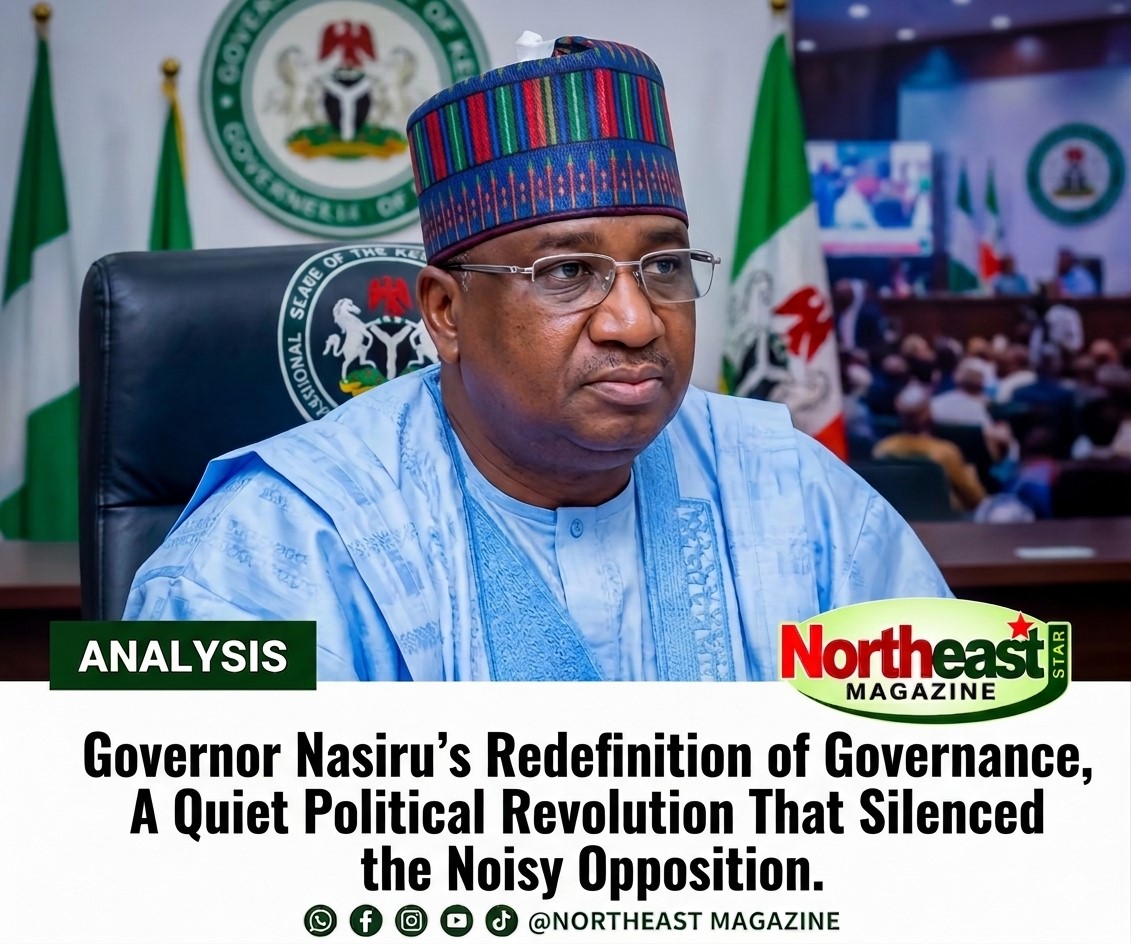
Governor Nasiru’s Redefinition of Governance: A Quiet Political Revolution That Silenced the Noisy Opposition
BY IBRAHIM A. JOMBALI.
Many times, and in many places in Nigerian politics, incumbents often attempt to secure political dominance through patronage, ethnic arithmetic, or relentless confrontation with opponents. In Nasir Idris, governor of Kebbi State, a different model appears to be emerging: the use of governance itself as political capital.
Since coming into office on 29th May 2026, the people’s governor has pursued an approach that places visible development above political theatrics. The strategy is not ideologically sophisticated or uniquely innovative by global standards. Yet in Nigeria’s usually turbulent subnational politics, it has proven remarkably effective. By concentrating on infrastructure, education, and welfare-orientated interventions, the administration has gradually narrowed the space within which opposition parties traditionally thrive.
The logic is straightforward and beyond dispute that opposition movements gain traction where governments appear absent, indifferent, or ineffective. Where roads collapse, salaries stagnate, and public services decay, political resentment becomes fertile ground for challengers. But where citizens perceive measurable improvements in daily life, opposition rhetoric tends to lose emotional force.
That dynamic increasingly defines the political climate in Kebbi State.
Across several parts of the state, road rehabilitation projects and improvements in public infrastructure have become central to the administration’s political messaging. Such projects are rare in Nigerian governance. What distinguishes them in Kebbi is their consistency and visibility at the grassroots level, where political legitimacy is ultimately negotiated. For many residents, the symbolism matters as much as the projects themselves: government appears present.
Education has emerged as another pillar of the administration’s legitimacy. Given Comrade Idris’ background in labour unionism and educational advocacy, the sector carries both political and personal significance. Investments in school infrastructure, teacher support, and learning conditions have reinforced the perception that the teacher-governor sees education not merely as a budget item but as a strategic tool for long-term social stability.
Equally positively consequential is the administration’s handling of workers’ welfare and social interventions. In much of Nigeria, unpaid salaries and weak state capacity often fuel anti-incumbent sentiment. Kebbi’s government has instead sought to maintain relatively stable relations with civil servants and vulnerable groups through salary commitments, empowerment schemes, and targeted assistance programmes. Such measures may appear modest individually, but collectively, they strengthen political loyalty by reducing economic alienation. You can’t beat the reach.
Governor Nasir Idris has also demonstrated a keen and apt understanding of the sociology of power in northern Nigeria. His administration has maintained close engagement with traditional rulers, youth associations, religious figures, and community networks that often shape political opinion more effectively than formal party structures. This has helped consolidate a broad coalition of support that extends beyond partisan boundaries.
The effect on opposition politics has been noticeable. Rather than confronting rivals directly, the governor has largely allowed developmental projects and public engagement to perform the political work for him. In doing so, he has adopted a quieter and arguably more sustainable method of consolidating power.
Today, tertiary institutions in Kebbi are performing at their highest level. The government has funded the accreditation of all programmes at state universities, state polytechnics, state colleges of education, and health-related institutions. This achievement is in addition to the establishment of new programmes and an additional school of nursing sciences at Ambursa. The institutions’ infrastructure will significantly enhance the quality of teaching and learning.
This development does not mean Kebbi has become politically homogeneous, nor does it imply the absence of criticism. No democratic administration is immune from scrutiny, and questions about transparency, institutional depth, and long-term economic sustainability remain valid. Yet the broader political trend is difficult to ignore: the more governance becomes visible, the harder it is for opposition parties to mobilise widespread public anger.
In effect, Kebbi illustrates an enduring political principle often overlooked in Nigeria’s democracy: incumbents are strongest not when they dominate headlines but when citizens feel the state functioning around them.
For Gov Idris, this approach may prove to be the most potent political strategy of all, and he is fully committed to it. It is a journey of holistic transformation, and he is focused on safely delivering on the all-important mandate.
Ibrahim Abubakar Jombali
Special Adviser on Public Enlightenment and Orientation to Kebbi State Governor.
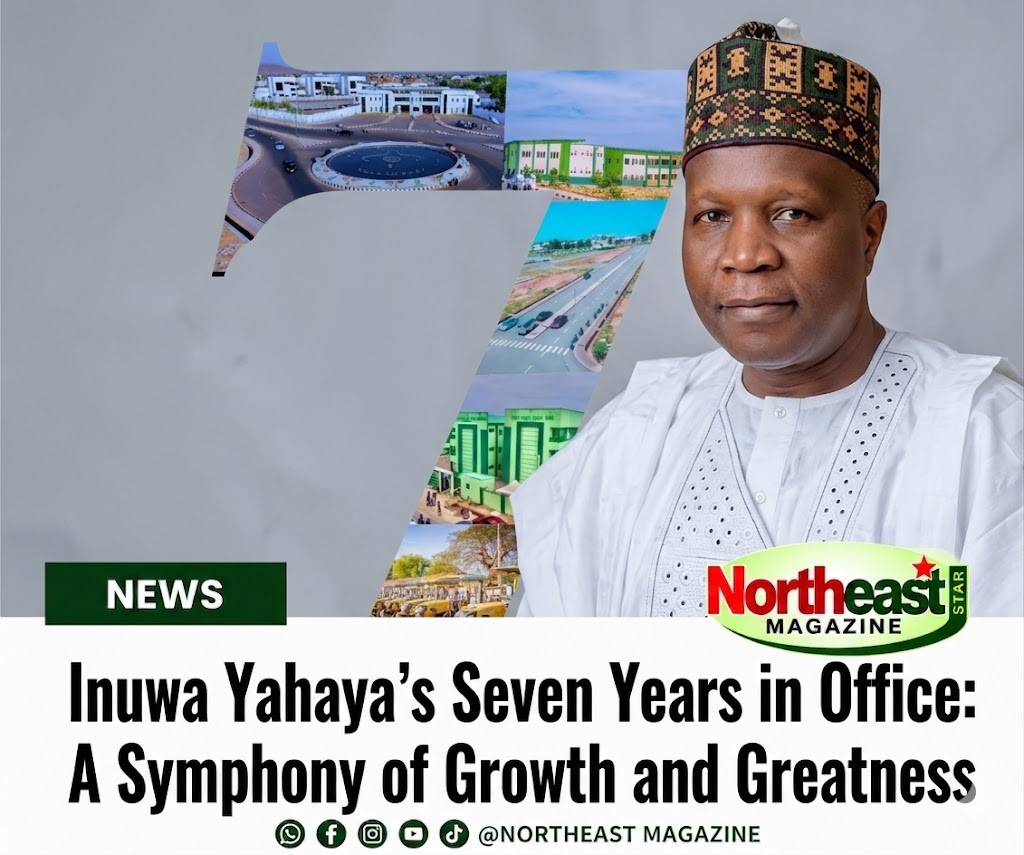
Gov. Inuwa Yahaya’s Seven Years in Office: A Symphony of Growth and Greatness
By Ismaila Uba Misilli
Today marks the seventh anniversary of the administration of Governor Muhammadu Inuwa Yahaya, CON, as governor of Gombe State: seven years of leadership that have steadily reshaped the political, economic, and developmental ecosystem of the state.
Anniversaries such as these offer an opportunity for reflection, assessment, and honest evaluation. In the case of Governor Inuwa Yahaya, the past seven years tell a compelling story of vision, discipline, reforms, and transformational governance.
When he assumed office in 2019, Gombe State faced enormous challenges. Public infrastructure had deteriorated, internally generated revenue was weak, and institutions were fragile, while critical sectors such as education and healthcare required urgent intervention. The state grappled with mounting developmental pressures amid limited resources and rising public expectations.
Seven years later, the narrative has changed significantly.
Across Gombe State today, the evidence of purposeful governance is visible. Roads now connect communities once neglected. Modern solar-powered streetlights illuminate major roads and urban centres. Public institutions are being revitalised, while schools and hospitals receive adequate attention. Agriculture is being modernised, and environmental restoration projects are redefining the state’s response to climate challenges.
Governor Inuwa Yahaya once remarked, “History will judge us by the impact we make, not by the resolutions we passed.” Seven years on, those words increasingly reflect a governing philosophy rather than political rhetoric.
Gombe Before 2019: A State in Need of Renewal
Before 2019, Gombe State struggled with a huge debt burden, weak fiscal capacity, and decaying infrastructure. Roads were in poor condition, while several sectors suffered years of neglect.
The education sector faced significant challenges. Schools were dilapidated, teachers poorly motivated, and students’ performance in national examinations ranked among the worst in the country.
The healthcare system was equally underdeveloped, while insecurity across the North-East added further pressure. Some institutions existed only in name. In many respects, Gombe was a state yearning for direction and renewal.
Seven Years of Transformation
Governor Inuwa Yahya’s administration has since redefined governance in Gombe State through deliberate planning, prudent resource management, and people-orientated policies.
The transformation is visible not only in physical infrastructure but also in institutional reforms and human development indicators.
Infrastructure Revolution and Urban Renewal
One of the administration’s most visible achievements is its massive infrastructural renewal drive.
The “Network 11-100” initiative has constructed over 1,000 kilometres of roads across the 11 local government areas, significantly improving transportation, trade, and connectivity.
Modern road networks complemented by solar-powered streetlights have transformed the landscape of the Gombe metropolis and other major towns.
Former APC National Chairman Dr Abdullahi Umar Ganduje once remarked during a visit to the state that “Anyone passing through the streets of Gombe at night would think they are in Dubai.”
Today, Gombe boasts a modern three-arms zone comparable to development models in the Federal Capital Territory, while urban renewal projects continue to reshape the state into a cleaner, greener, and more organised environment.
Education: From Crisis to Recovery
Upon assumption of office, Governor Inuwa Yahaya declared a state of emergency in education, a bold decision that laid the foundation for one of the most ambitious education reforms in Northern Nigeria.
The administration has constructed or renovated hundreds of classrooms, established mega schools, and created special schools. The administration also integrated the Almajiri and Tsangaya education systems into formal learning structures.
More than 1,000 qualified teachers were recruited, alongside the establishment of a teacher training centre to support continuous capacity building.
The government has successfully returned over 350,000 out-of-school children to classrooms, resulting in a significant improvement in students’ performance in national examinations, rising from approximately 28 per cent to nearly 80 per cent.
Gombe is increasingly emerging as a model for education reform and access, moving from being ranked among the poorest-performing states educationally.
Healthcare Revolution
Healthcare has equally witnessed significant transformation under the administration.
The introduction of the Gombe State Health Insurance Scheme (Go-Health) expanded access to affordable healthcare, particularly for vulnerable and low-income residents.
Expansion of Primary Healthcare
The administration revitalised healthcare delivery by upgrading primary healthcare centres across the state’s 114 wards and expanding them to two functional facilities per ward, bringing the total to 228 revitalised PHCs equipped with improved infrastructure and solar-powered boreholes.
Upgrading of General Hospitals
General hospitals in Kumo, Kaltungo, and Bajoga underwent major upgrades.
General Hospital Kumo has since been elevated to a Federal Medical Center, while the Snakebite Hospital in Kaltungo is being strengthened as a national Snakebite Treatment and Research Center in collaboration with the federal government.
100-Bed Mother and Child Hospital
The Senator Oluremi Tinubu Mother and Child Hospital was established in partnership with OSSAP-SDGs to enhance maternal and child healthcare services.
Welfare of Health Workers
In October 2025, Governor Inuwa Yahaya approved the implementation of CONMESS and CONHESS salary structures for health workers in line with federal standards, a move aimed at boosting morale and retaining medical personnel.
Over 440 qualified health workers have also been recruited to bridge manpower gaps, while the establishment of the Gombe State College of Nursing Sciences further strengthened healthcare manpower development.
Technology and Financial Accountability
Governor Inuwa Yahaya’s administration has leveraged technology to improve transparency and efficiency in governance.
The deployment of the Biometric Attendance Tracking Technology (BATT) eliminated ghost workers from the payroll, saving the state billions of naira and redirecting resources toward critical infrastructure and social services.
Agricultural Reforms and Livestock Development
Agriculture remains central to the administration’s economic agenda.
Through targeted interventions, Gombe State has recorded improved coexistence between farmers and herders.
The administration introduced measures such as seasonal restrictions on herders’ movements during harvest periods, remapping of grazing reserves, and regular stakeholder dialogue to reduce farmer-herder conflicts and strengthen food security.
The establishment of the 184-hectare Agro-Livestock Development Zone, featuring an ultramodern abattoir, an international cattle market, a tannery, and leather processing facilities, represents one of the administration’s boldest economic initiatives.
Similarly, the 144,000-hectare Wawa-Zange Grazing Reserve has been revitalised with solar-powered boreholes and veterinary infrastructure.
Thousands of metric tonnes of fertiliser are also distributed to farmers at subsidised rates, while mass livestock vaccination programmes continue to improve animal health and productivity.
Environmental Management and Climate Resilience
Gombe State has emerged as a leading example of environmental restoration and climate resilience in Northeast Nigeria through the Gombe Goes Green (3G) initiative and extensive gully erosion control projects.
Launched in 2019, the 3G program was designed to combat deforestation, desertification, and climate-related environmental degradation.
The state has since planted millions of trees through woodlots and roadside tree plantations, aiming to restore forest cover and promote ecological sustainability.
Beyond environmental restoration, the program has created thousands of jobs for youths through tree planting and maintenance activities.
The administration has also partnered with the World Bank under the NEWMAP and ACReSAL programs to tackle gully erosion through drainage construction, channelisation, and protective infrastructure across erosion-prone communities.
Together, these interventions have positioned Gombe as a model for climate adaptation and sustainable environmental management in Nigeria’s semi-arid region.
Economic Growth and Fiscal Discipline
Perhaps one of the administration’s most significant achievements lies in financial management.
From an internally generated revenue profile of about N6.8 billion in 2019, Gombe State’s IGR has risen to over N40 billion through fiscal reforms, improved revenue collection, and blockage of leakages.
DEVAGOM and Ease of Doing Business
The administration launched the 10-Year Development Plan (DEVAGOM) aimed at accelerating industrialisation and economic growth.
Today, Gombe ranks among the leading states in ease of doing business in Nigeria, attracting investors and development partners.
Muhammadu Buhari Industrial Park
The 1,000-hectare Muhammadu Buhari Industrial Park stands as a major industrialisation initiative expected to generate thousands of jobs and stimulate economic activities.
Strategic Partnerships and Global Collaboration
Governor Inuwa Yahaya’s administration has built strategic partnerships with organisations including the World Bank, the United Nations, Michigan State University, and Lincoln University College Malaysia, among others.
These collaborations are supporting investments in agriculture, education, healthcare, energy, and infrastructure development.
Workers Welfare and Social Protection
The administration has prioritised workers’ welfare through improved working conditions and payment of inherited gratuities.
More than N30 billion has been paid to state and local government retirees as part of inherited gratuity liabilities from previous administrations, while a modern state secretariat complex is under construction.
Youth and women’s empowerment also remain central to the administration’s social development agenda.
Over 1,000 tricycles have been distributed to youths to support transportation businesses, while thousands more have benefitted from skills acquisition programmes and startup support initiatives.
The GOSTEC program is engaging 2,000 youths across the 11 local government areas in security, traffic, and environmental services, while digital innovation programmes under GOSIDEC have trained youths in artificial intelligence and data analytics.
Women have equally benefited from entrepreneurship programmes, vocational training, and grants coordinated through the office of the First Lady, Asma’u Inuwa Yahaya.
The administration has also demonstrated commitment to gender inclusion through the appointment of women into strategic positions across government.
The state has prioritised security, stability, and renewable energy.
Despite being surrounded by states facing serious security challenges, Gombe has maintained its reputation as one of the safest and most peaceful states in Northern Nigeria.
The state is also steadily positioning itself as a renewable energy hub through projects such as the Talasse Solar Mini-Grid, the Balanga Hydropower-Solar Hybrid Project, and the Solar for Health initiative.
Gombe further became one of the first states in Nigeria to implement the State Electricity Distribution Law.
A Legacy Taking Shape
Seven years into the administration of Governor Muhammadu Inuwa Yahaya, Gombe State is witnessing one of the most defining periods in its history.
From infrastructure renewal to education reforms, healthcare expansion, agricultural modernisation, and economic revitalisation, the administration has demonstrated that visionary leadership, discipline, and commitment can indeed transform society.
The journey is still unfolding, but the evidence of progress is visible across the state.
As Governor Inuwa Yahaya often reiterates, “We started with work, and we will finish with work.”
Misilli is Director-General (Press Affairs).
Government House
Gombe.

Shiekh Kouyateh Warns Liberia’s US Deportee Deal Could Raise Regional Security Concerns

Daura Emirate Confers ‘Sarkin Maganin Kasar Hausa Babba’ Title on Dr Mukhtar Jibrin

Gombe Reconstitutes Heritage Committee to Preserve State’s Historical Assets

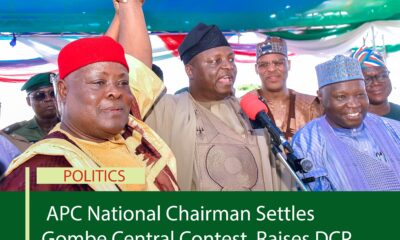
APC National Chairman Settles Gombe Central Contest, Raises DCP Ahmed’s Hand as Party’s Senatorial Candidate

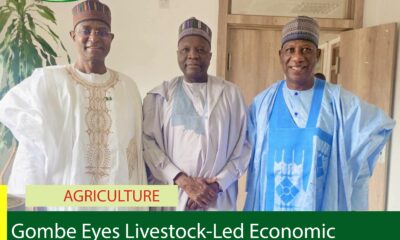
Gombe Eyes Livestock-Led Economic Growth as Inuwa Yahaya Meets Minister

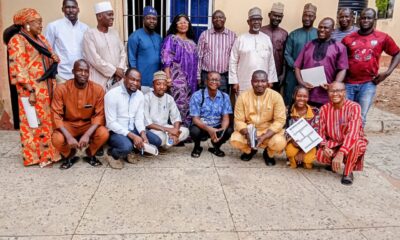
Gombe Aquatic Sports Body Unveils Board, Sets Stage for Competitive Debut

-
 Politics2 months ago
APC National Chairman Settles Gombe Central Contest, Raises DCP Ahmed’s Hand as Party’s Senatorial Candidate
-
 Agriculture4 weeks ago
Gombe Eyes Livestock-Led Economic Growth as Inuwa Yahaya Meets Minister
-
 Sport5 months ago
Gombe Aquatic Sports Body Unveils Board, Sets Stage for Competitive Debut
-
 Striking the Balance1 month ago
The $2,500 Threshold: Why Raising Nigeria’s GDP Per Capita Is Our Best Non-Kinetic Strategy for Peace
-

 Economy8 months ago
NGX Ends Week in the Green as ₦1.54 Trillion Boosts Investors’ Fortunes
-

 Economy9 months ago
CBN’s End to Cash Withdrawal Limit
-
 Environment3 months ago
World Environment Day: NGO Urges Nigerians to Embrace Nature-Based Solutions Against Climate Change
-
 Education9 months ago
Dangote Launches Landmark ₦1 Trillion Scholarship Scheme to Support 1.3 Million Nigerian Students