
Borno
From Empire to Identity: How the Kanem-Borno Cultural Summit Rekindles a Thousand-Year African Legacy

From Empire to Identity: How the Kanem-Borno Cultural Summit Rekindles a Thousand-Year African Legacy
By Tada jutha, Maiduguri
Long before modern borders carved Africa into nation-states and colonial maps fractured shared histories and kinship, the Kanema-Borno Empire stood as one of the most enduring civilisations the continent had ever known. Rising from the sands around Lake Chad in the 9th century, Kanem-Borno was not merely a kingdom; it was a living network of culture, trade, scholarship, and identity that stretched across what are today Nigeria, Chad, Niger, Cameroon, Libya, and beyond.
The Sayfawa dynasty ruled the empire for more than a thousand years. Islamic scholarship strengthened it, and trade routes across the Sahara Desert connected Central Africa to North Africa and the Mediterranean world. Its rulers built institutions, fostered learning, and cultivated a shared Kanuri identity that transcended geography. Even as empires elsewhere rose and fell, Kanem-Borno adapted, migrated, and survived.
Yet history, though powerful, is not immune to disruption. Colonial partitions, post-independence political upheavals, economic marginalisation, climate change around Lake Chad, and, more recently, violent extremism have fractured communities that once spoke the same language, shared the same customs, and traced their lineage to the same ancestral roots. The Kanuri people, once bound by empire, found themselves separated by borders, policies, and insecurity.
It is against this backdrop of history, loss, and resilience that the Kanem-Borno Cultural Summit (KBCS) emerges not as a mere celebration but as a deliberate act of remembrance and reconstruction.
A Modern Gathering Rooted in Ancient Memory
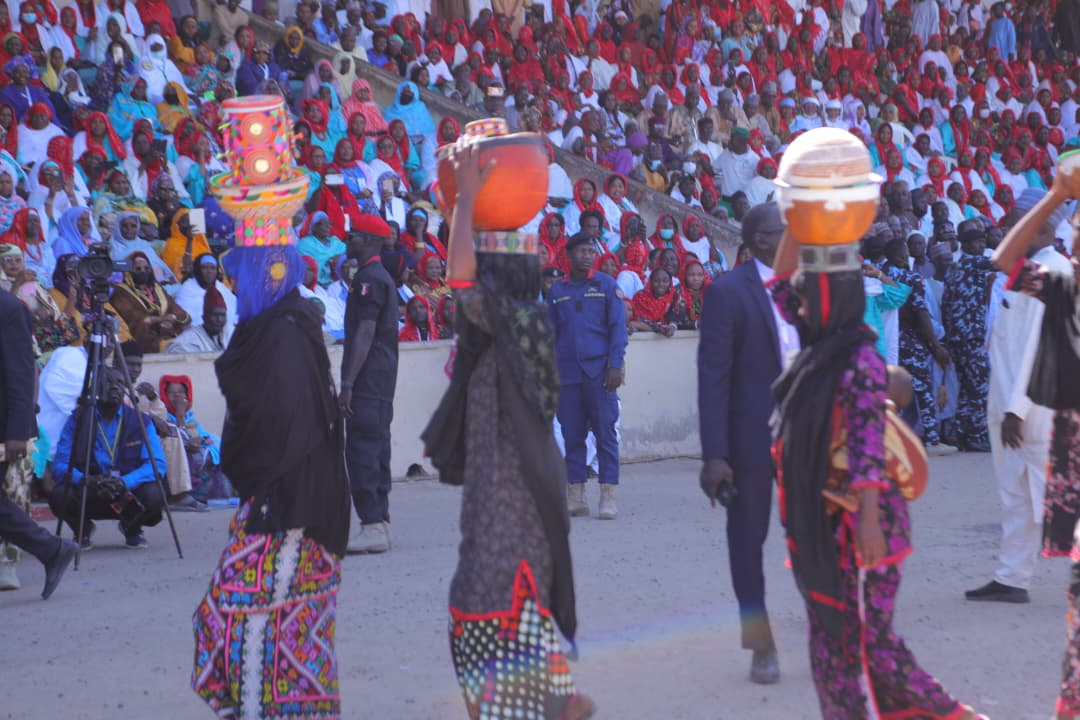
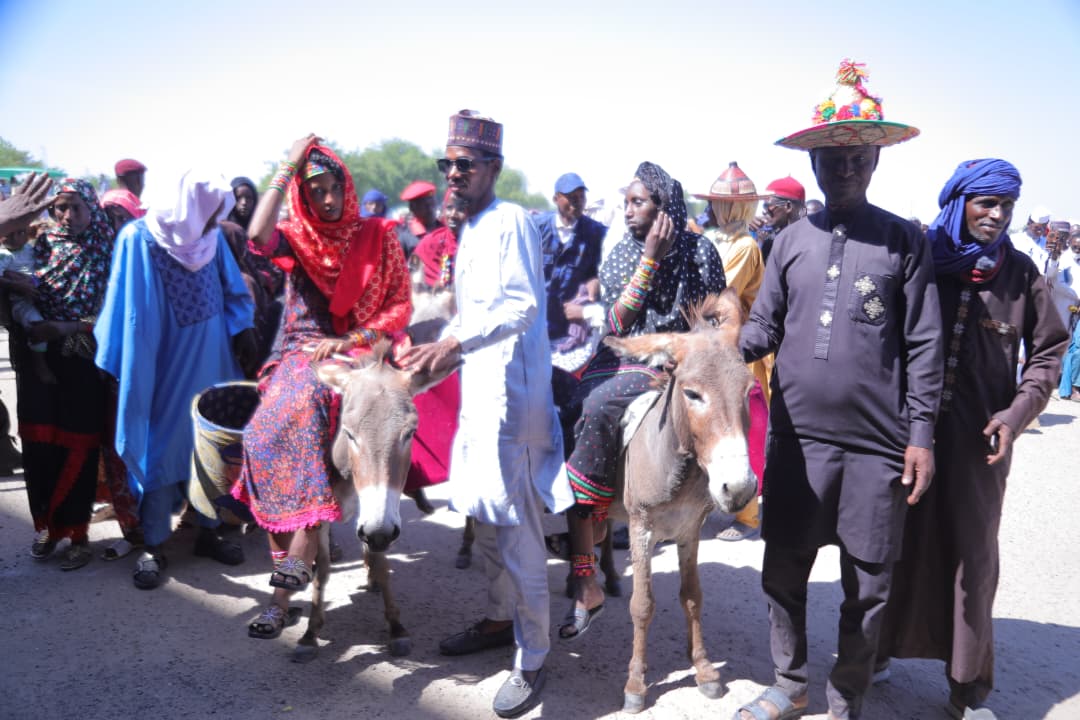
On a Thursday in Maiduguri, the heartland of the old empire, history returned—not in the form of conquest or coronation, but through dialogue, dance, and shared identity. Thousands of Kanuri kinsmen and women from ten African countries converged at the Mohammed Indimi International Conference Centre to celebrate this year’s Kanem-Borno Cultural Summit.
Hosting the gathering, Borno State Governor, Professor Babagana Umara Zulum, described the summit as a strategic effort to revive cultural heritage and deploy it as a tool for peacebuilding and sustainable development across Africa.
“This summit”, Zulum said, “represents a deliberate effort to rebuild transnational kinship networks based on a shared identity, to create a supportive global community that can tackle the myriads of challenges collaboratively.”
The statement carried weight. Borno State, once the epicentre of the Kanem-Borno Empire, has in recent decades become synonymous with insurgencies, displacements, and humanitarian crises. Yet here it was—repositioning itself not just as a survivor of conflict, but as a convener of continental unity.
A Continental Reunion of the Scattered People
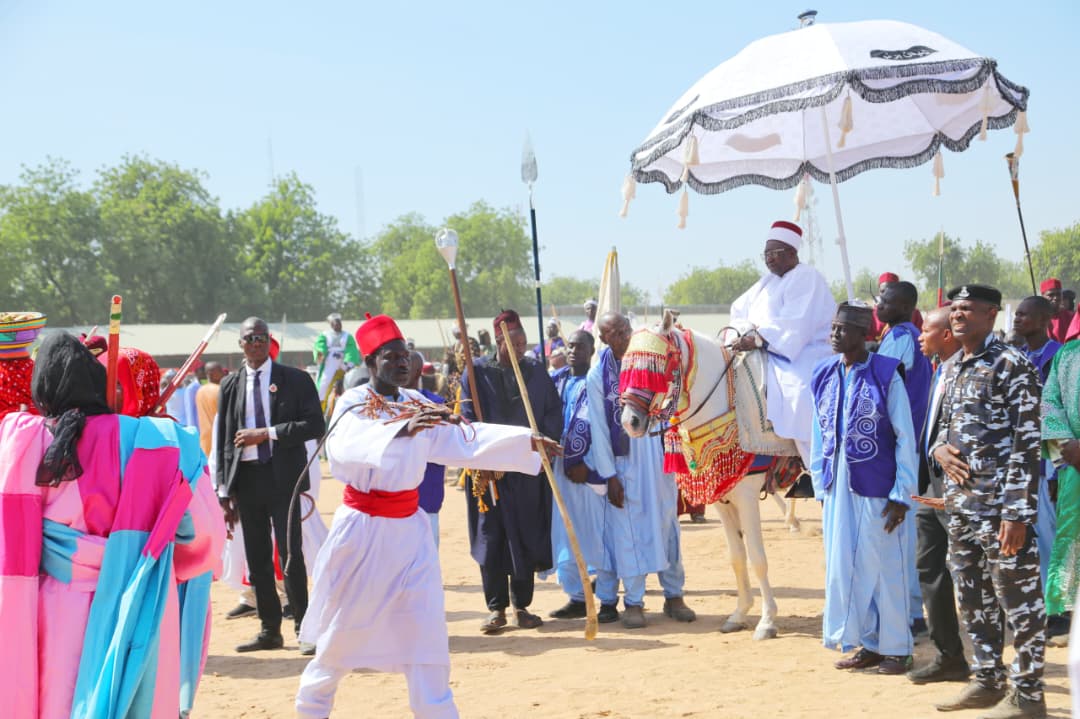
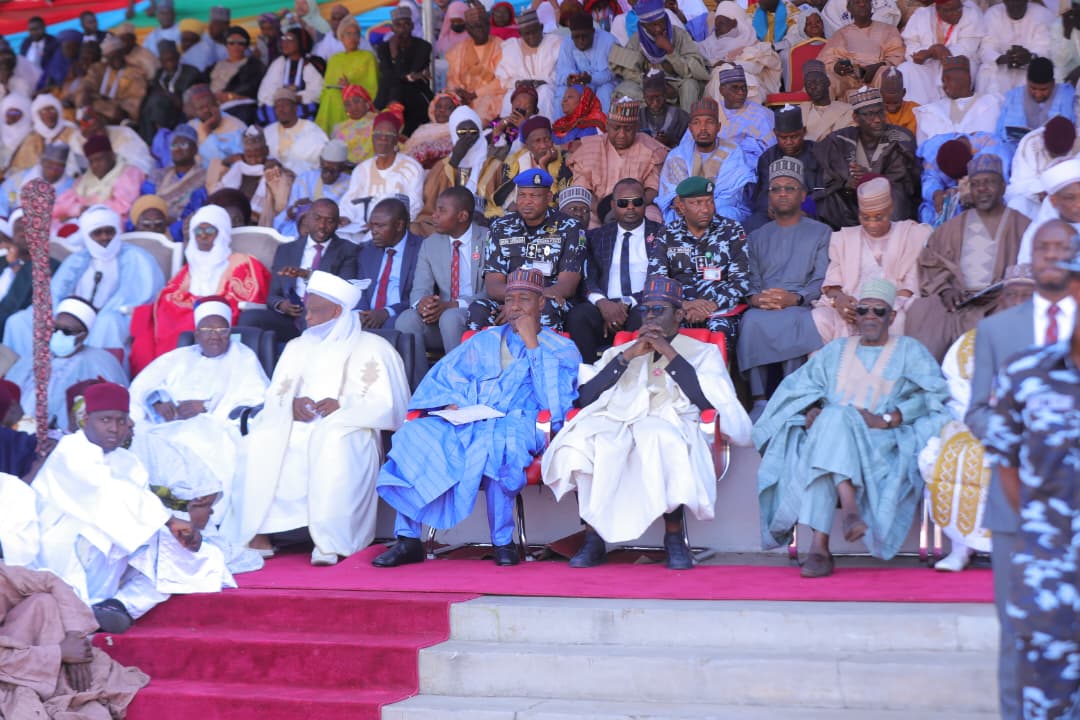
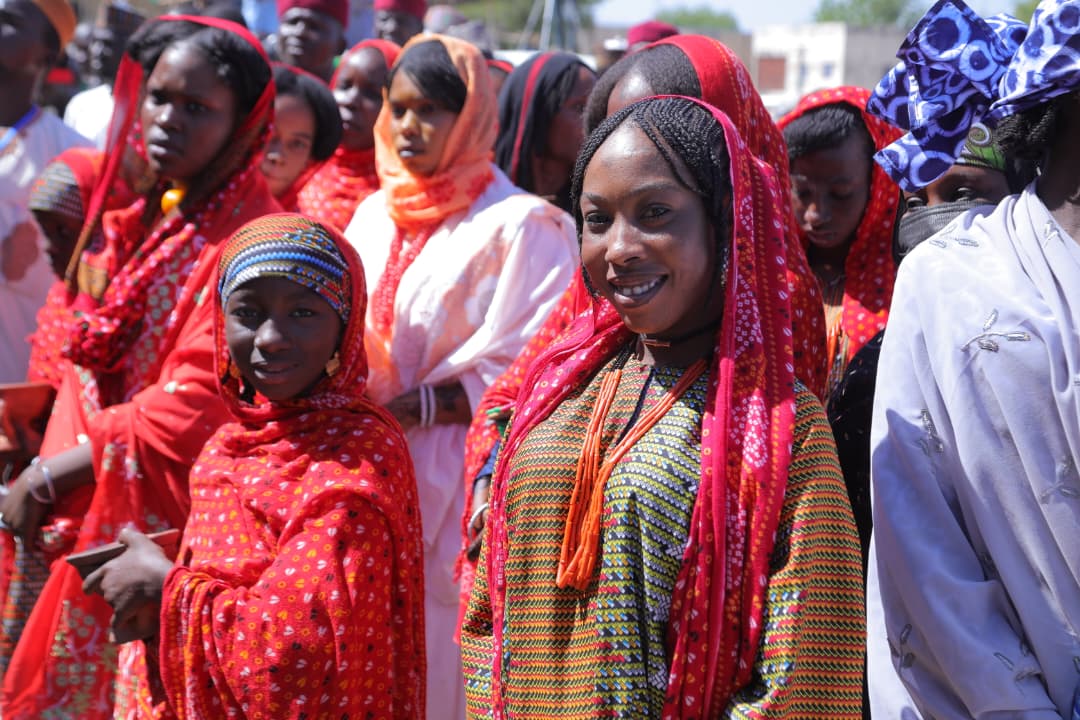
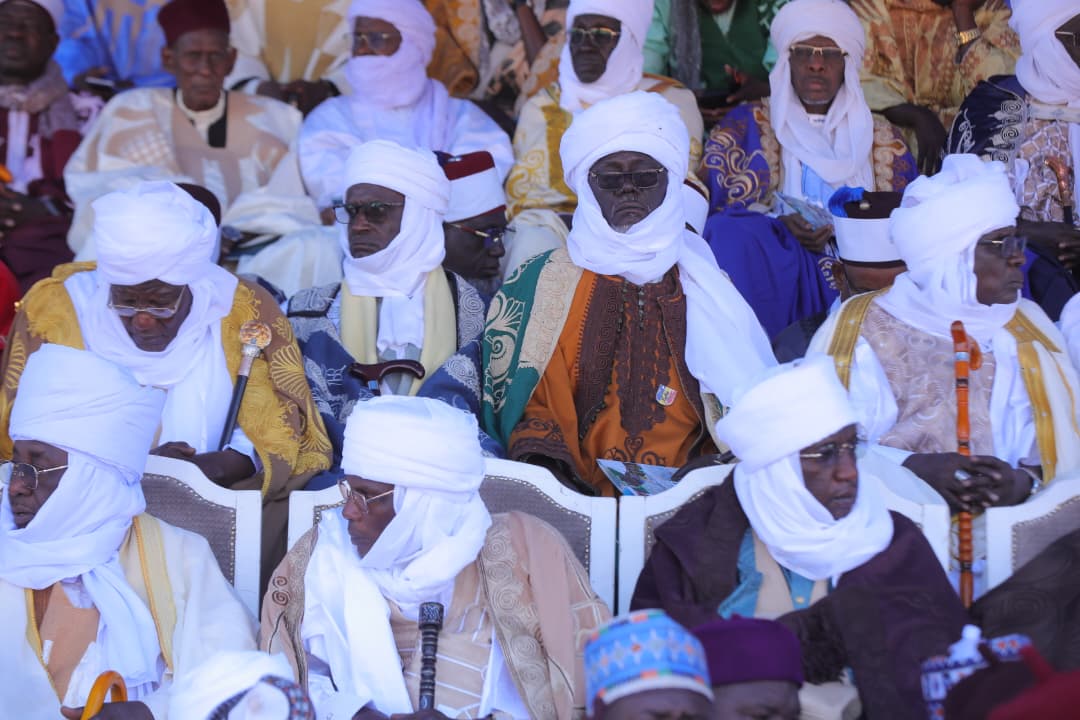
The summit attracted 161 traditional rulers, top government officials, scholars, and cultural custodians, alongside thousands of Kanuri participants from Ghana, Sudan, Gabon, Niger, Central African Republic, Senegal, Libya, Chad, Cameroon, and Benin.
For many attendees, the gathering was deeply emotional. Families separated for generations by borders met under one roof. Elders spoke in Kanuri dialects shaped by geography but united by origin. Youths, some born in exile or diaspora, encountered their heritage not through textbooks, but through living culture.
Governor Zulum urged participants to go beyond celebration and invest in shared development.
“You are to invest in a shared future,” he told the gathering, “to ensure that the illustrious legacy of the Kanem-Borno remains an inspiration for future generations among the member countries.”
Culture as a Tool for Healing and Development
The summit’s program reflected this vision. Beyond speeches, it featured traditional dances, cultural displays, and ceremonial performances, with colourful contingents dressed in costumes representing different regions of the old empire. Each dance told a story—of harvest, migration, royalty, and resistance. Each drumbeat echoed centuries of memory.
But culture, as Zulum emphasised, is not only about the past.
Speaking in the Kanuri language, the governor challenged participants to focus on educational exchange, entrepreneurial collaboration, and socio-economic initiatives capable of uplifting Kanuri communities across borders.
This approach reframes culture not as nostalgia but as capital—social capital that can foster trust, economic networks, and collective problem-solving in a region still grappling with insecurity and underdevelopment.
Reclaiming the Narrative of the Kanem-Borno Empire
In reflecting on the significance of the summit, Zulum reminded the audience of the empire’s historical stature.
“The Kanem-Borno Empire was one of the greatest and longest-lasting empires in African history,” he said. “It flourished for over 1,000 years, approximately from the 9th to the 19th century, in the region of Lake Chad.”
This reminder was more than academic. In a global narrative that often marginalises African civilisations, reclaiming the Kanem-Borno story is an act of intellectual and cultural resistance. It asserts that African societies were organised, scholarly, and globally connected long before colonialism.
Investing in Unity Through Education
Perhaps the most tangible outcome of the summit was Governor Zulum’s announcement of scholarships for 150 students from countries that once formed the Kanem-Borno Empire. The gesture symbolised a belief that education remains the strongest bridge between past glory and future possibility.
In a region where conflict has disrupted schooling for millions, the scholarship initiative serves both symbolic and practical purposes—fostering unity while empowering a new generation of leaders, scholars, and entrepreneurs who understand their shared heritage.
Regional and Traditional Endorsement
The summit also enjoyed high-level regional endorsement. The President of Chad, Mahamat Idriss Déby Itno, represented by the Governor of Lac Province, Major General Saleh Haggar Tidjani, proposed that the summit be institutionalised and rotated among member countries every ten years.
Such a proposal elevates the KBCS from an event to a movement—one capable of shaping diplomatic, cultural, and developmental cooperation across borders.
Other dignitaries in attendance underscored the summit’s national and international relevance. They included Yobe State Governor Mai Mala Buni; former Vice President Ambassador Babagana Kingibe; the Sultan of Sokoto, Alhaji Muhammadu Sa’ad Abubakar III; Senators Mohammed Tahir Monguno and Mohammed Ali Ndume; and Kaka Shehu Lawan.
Also present were members of the House of Representatives, speakers of the Borno and Yobe State Houses of Assembly, emirs and chiefs from across Nigeria, commissioners, lawmakers, and senior government officials.
Their presence reinforced the idea that culture, when properly harnessed, can complement governance and diplomacy.
Beyond Ceremony: A Blueprint for Post-Conflict Identity
What sets the Kanem-Borno Cultural Summit apart is its timing. Coming after years of insurgency that fractured trust and displaced communities, the summit represents a post-conflict identity project—a conscious attempt to heal wounds through shared memory.
In rebuilding Borno, Governor Zulum’s administration has focused on infrastructure, resettlement, and security. The KBCS adds another layer: psychological and cultural reconstruction. It tells the Kanuri people that they are more than victims of conflict; they are heirs to an empire that once shaped Africa.
A Legacy Reawakened
As the summit drew to a close, the drums fell silent, but the message endured. The Kanem-Borno Empire may no longer exist as a political entity, but its spirit—rooted in unity, resilience, and cultural pride—remains alive.
In reviving this legacy, the Kanem-Borno Cultural Summit offers more than celebration. It offers a roadmap: one where history informs development, culture fosters peace, and identity transcends borders.
From empire to identity, from memory to movement, the story of Kanem-Borno is being retold—not as a relic of the past, but as a living force shaping Africa’s future.

By Tada Juth, Maiduguri
Borno State Governor, Babagana Zulum, has called for stronger regional cooperation among Sahel and Lake Chad Basin countries to confront terrorism, insurgency and the humanitarian crisis that has persisted across the region for nearly two decades.
Mr Zulum made the call on Saturday while declaring open a two-day high-level retreat involving representatives of Sahel countries and ambassadors at the Musa Usman Secretariat Complex in Maiduguri.
The meeting brought together officials and diplomats from countries affected by insecurity in the wider Sahel and Lake Chad Basin, including Nigeria, Chad, Cameroon, Niger, Mali, Burkina Faso and Mauritania.
The retreat focused on terrorism, diplomatic relations and the need for a coordinated regional response to security challenges threatening the countries.
Mr Zulum, who has consistently advocated a broader approach to addressing insecurity, said military operations alone could not end the insurgency and displacement crisis confronting the region.
“I have been consistently advocating for a multifaceted strategy that combines robust military offensives with non-kinetic interventions such as deradicalisation, reintegration and humanitarian development,” he said.
The governor said while security forces must continue their operations against terrorist groups, governments in the region needed to strengthen intelligence sharing, border management and joint stabilisation programmes.
“While our armed forces continue their brave operations, we must enhance intelligence sharing, community-based border management and joint stabilisation initiatives alongside the Multinational Joint Task Force,” he said.
Borno has remained at the centre of Nigeria’s counter-insurgency efforts since the Boko Haram insurgency escalated in 2009. The state has also borne a significant share of the humanitarian consequences, including displacement, destruction of infrastructure and disruption of livelihoods.
Mr Zulum said the experience had demonstrated the need for governments to combine security operations with measures aimed at addressing poverty, unemployment, radicalisation and other conditions that could fuel violent extremism.
The Minister of State for Foreign Affairs, Sola Enikanolaiye, also urged countries in the region to deepen cooperation and address the underlying causes of terrorism.
He said a sustainable solution required governments to look beyond military responses and develop coordinated strategies capable of tackling the conditions that allow extremist groups to thrive.
The Permanent Secretary of the Ministry of Foreign Affairs, Dunoma Umara, said Nigeria had a strong interest in the stability of the Sahel because of the region’s historical, cultural and economic connections with the country.
According to him, stability across the Sahel and Lake Chad Basin is directly linked to Nigeria’s national security and socio-economic prosperity.
The Ambassador of Chad to Nigeria, Brah Mahamat, called for collective action among countries facing the security threat, despite their membership of different regional organisations.
“Although we belong to different institutional groupings, this should in no way impede our common security,” Mr Mahamat said.
He warned that terrorist groups were taking advantage of weaknesses along national borders and differences among regional blocs to expand their operations.
“Let us be clear: the enemy cares little whether we belong to CEMAC, ECOWAS or the AES. Its aim is to continue slipping across our borders, exploiting the operational limitations we have imposed upon ourselves,” he said.
The retreat is expected to provide a platform for participating countries and diplomatic representatives to explore practical measures for improving regional security cooperation, strengthening border coordination and supporting stabilisation efforts in communities affected by terrorism.
The gathering also reinforces Maiduguri’s growing importance as a centre for regional discussions on counter-terrorism, humanitarian recovery and peace-building in the Lake Chad Basin.
By Tada Jutha, Maiduguri
The Borno State Police Command has warned butchers, meat vendors and livestock traders against slaughtering, processing or selling meat from animals that die before inspection, saying offenders will face the full weight of the law.
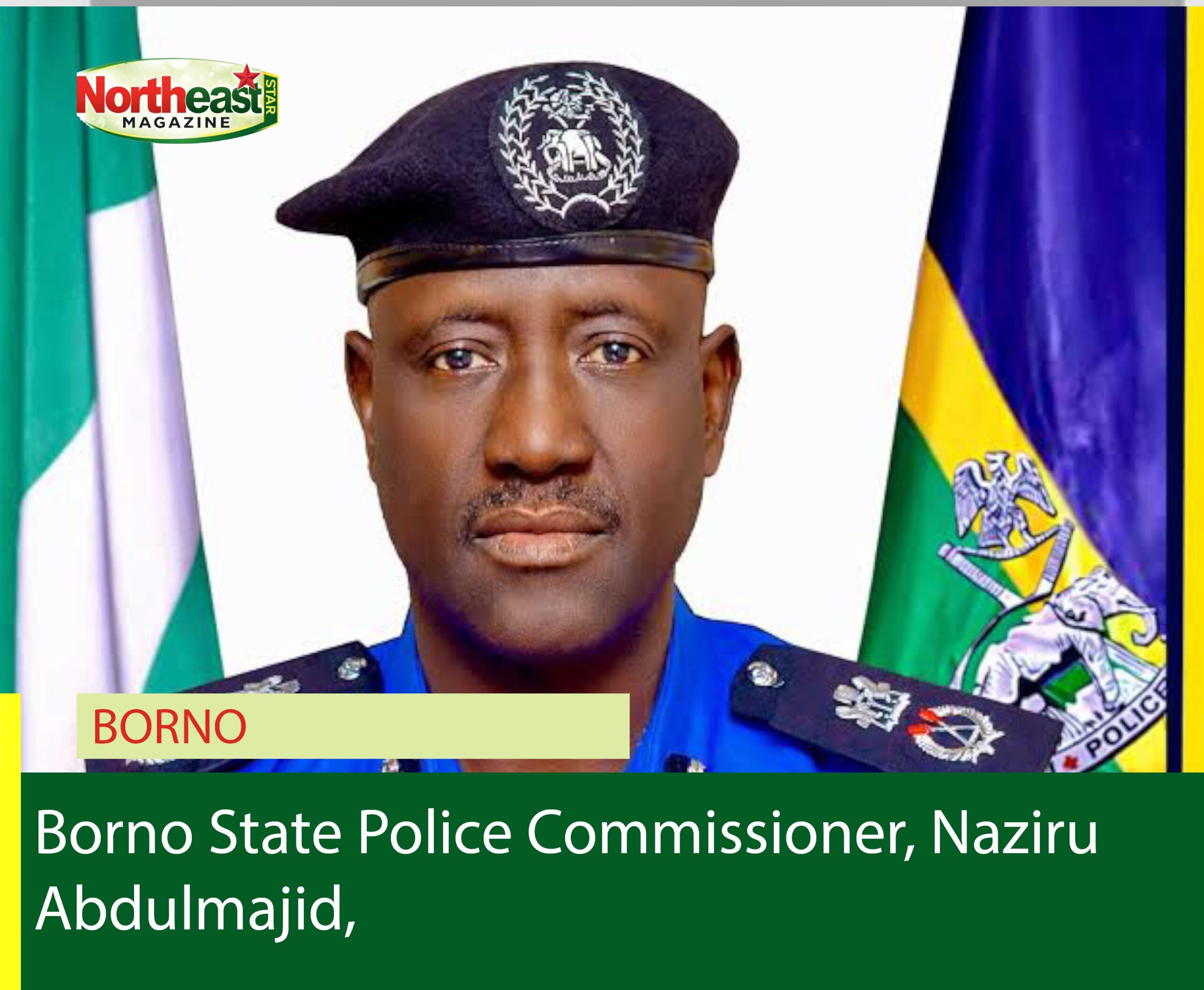
The Commissioner of Police, Naziru Abdulmajid, issued the warning on Thursday during a stakeholders’ meeting in Maiduguri convened to strengthen measures aimed at preventing the sale and distribution of unwholesome meat across the state.
The meeting followed the recent arrest of five suspects allegedly involved in processing and distributing meat from dead animals in Maiduguri, an incident that raised concerns over food safety and public health.
Mr Abdulmajid said the engagement was organised to prevent a recurrence of such practices and reinforce compliance with public health regulations governing meat processing and distribution.
According to him, the meeting was designed to improve monitoring systems, promote regulatory compliance and ensure that only meat certified fit for human consumption reaches the public.
“The objective is to safeguard public health by strengthening collaboration among relevant stakeholders responsible for food safety and hygiene,” the police commissioner said.
Participants at the meeting included officials from the Borno State Ministries of Health, Information and Internal Security, and Livestock and Fisheries Development, as well as representatives of the Borno State Environmental Protection Agency (BOSEPA), the Abattoir and Butchers Association, the Police Community Relations Committee (PCRC), and traditional rulers.
During the discussions, Mr Abdulmajid stressed the responsibility of government agencies, regulatory institutions and traditional leaders in preventing the slaughter, processing and sale of meat from animals that die from unknown causes or are otherwise unsafe for consumption.
He called for closer cooperation among relevant agencies, improved intelligence sharing and coordinated enforcement to eliminate the illegal trade in contaminated meat.
The commissioner also directed authorities overseeing slaughterhouses, abattoirs and meat-processing facilities to tighten surveillance and ensure strict adherence to food safety standards.
He further emphasised the need for sustained public awareness campaigns to educate residents about the health dangers associated with consuming meat from diseased or dead animals.
Stakeholders at the meeting commended the police for initiating the engagement and pledged to work with security agencies and government institutions to strengthen monitoring mechanisms and protect public health.
Mr Abdulmajid reaffirmed the command’s commitment to collaborating with relevant agencies and local communities to ensure food safety, protect lives and prosecute individuals whose actions threaten public health.
He also urged residents to remain vigilant and report suspicious activities involving the slaughter, transportation, processing or sale of suspected unwholesome meat to the nearest police station or appropriate regulatory authorities.

Borno Youths, Students Rally Against Terror, Urge Nigerians to Unite for National Security
By Tada Jutha, Maiduguri
Hundreds of youths and students from tertiary institutions in Borno State on Sunday staged a peaceful march in Maiduguri, calling on Nigerians to unite against terrorism and other forms of criminality while pledging support for the Federal Government and security agencies in the fight against insecurity.
The campaign, held under the banner UniteAgainstTerror, drew participants from various youth and student organisations across the state. The procession began at the Post Office area of Maiduguri and featured awareness messages promoting national unity, peace and collective responsibility in tackling insecurity.
Speaking to journalists during the rally, the leader of the Borno Youth and Students Forum, Suleiman Muhammed, commended the Federal Government and security agencies for their response to the recent abduction of students in Oyo State, describing the rescue efforts as encouraging.
He urged the authorities to intensify operations aimed at rescuing all victims still in captivity, particularly those affected by insurgency in Borno and other parts of the country.
Muhammed also cautioned against yielding to terrorists’ demands for ransom payments, arguing that such concessions could embolden criminal groups and worsen the country’s security challenges.
“This campaign is a call on all Nigerians, especially young people, to stand together against terrorism. We must unite and reject every form of support for criminal elements,” he said.
He expressed confidence that the government would continue strengthening efforts to restore peace across all regions of the country without discrimination.
While acknowledging the commitment of both the federal and Borno State governments to combating insurgency, Muhammed appealed for more strategic interventions aimed at addressing the root causes of insecurity.
According to him, expanding youth empowerment programmes and creating economic opportunities would help reduce crime and discourage young people from being recruited into violent groups.
“Government has done a lot, but more needs to be done to permanently end insurgency. Providing jobs, empowering young people and creating an enabling environment for legitimate livelihoods are essential to achieving lasting peace,” he added.
Other participants at the rally stressed the need for sustained investment in the nation’s security architecture, including improved equipment, logistics and welfare for military personnel and other security operatives.
One of the protesters, Khadijat Abdullahi, said defeating terrorism would require both stronger security measures and policies that address poverty and unemployment.
“The government should continue investing in our security agencies by providing modern equipment and improving the welfare of troops. At the same time, attention must be given to tackling poverty and creating employment opportunities because these are among the factors driving criminality,” she said.
Throughout the march, participants carried placards bearing messages such as “Unity: Our Weapon Against Terrorism,” “Say No to Collaborating with Terrorists,” “Say Yes to Peace,” “Together We Stand Against Terrorism and Criminality,” and “A Secure Nigeria Starts With All of Us.”
The organisers said the campaign was intended to encourage citizens to support security agencies, reject violent extremism and promote national unity as a critical tool in overcoming terrorism and other security threats across Nigeria.

Shiekh Kouyateh Warns Liberia’s US Deportee Deal Could Raise Regional Security Concerns

Daura Emirate Confers ‘Sarkin Maganin Kasar Hausa Babba’ Title on Dr Mukhtar Jibrin

Gombe Reconstitutes Heritage Committee to Preserve State’s Historical Assets

APC National Chairman Settles Gombe Central Contest, Raises DCP Ahmed’s Hand as Party’s Senatorial Candidate

Gombe Eyes Livestock-Led Economic Growth as Inuwa Yahaya Meets Minister

Gombe Aquatic Sports Body Unveils Board, Sets Stage for Competitive Debut

-
 Politics2 months ago
APC National Chairman Settles Gombe Central Contest, Raises DCP Ahmed’s Hand as Party’s Senatorial Candidate
-
 Agriculture4 weeks ago
Gombe Eyes Livestock-Led Economic Growth as Inuwa Yahaya Meets Minister
-
 Sport5 months ago
Gombe Aquatic Sports Body Unveils Board, Sets Stage for Competitive Debut
-

 Striking the Balance1 month ago
The $2,500 Threshold: Why Raising Nigeria’s GDP Per Capita Is Our Best Non-Kinetic Strategy for Peace
-

 Economy8 months ago
NGX Ends Week in the Green as ₦1.54 Trillion Boosts Investors’ Fortunes
-

 Economy9 months ago
CBN’s End to Cash Withdrawal Limit
-

 Environment3 months ago
World Environment Day: NGO Urges Nigerians to Embrace Nature-Based Solutions Against Climate Change
-

 Education9 months ago
Dangote Launches Landmark ₦1 Trillion Scholarship Scheme to Support 1.3 Million Nigerian Students