
Gombe
A City on the Map: How GOGIS Plans to Modernize Gombe Through Street Naming

A City on the Map: How GOGIS Plans to Modernize Gombe Through Street Naming
By Umar Auwal
In every modern city, street names and house numbers are more than signposts mounted on poles; they are the invisible architecture of governance.
They determine how quickly an ambulance finds a patient, how efficiently businesses deliver goods, how security agencies track locations, and how governments plan, tax and provide services. Without a functional address system, urban growth can easily descend into confusion.
It is against this backdrop that the Gombe State Government, through the Gombe Geographic Information Systems (GOGIS), opened tenders for the implementation of a comprehensive Street Naming and House Numbering Project in Gombe Metropolis.
The bid opening ceremony, held at the GOGIS Conference Hall, drew representatives of the Bureau of Public Procurement, various ministries, departments, and agencies (MDAs), members of the Tender Opening Committee, prospective bidders, and journalists, a gathering that underscored the significance of the initiative.
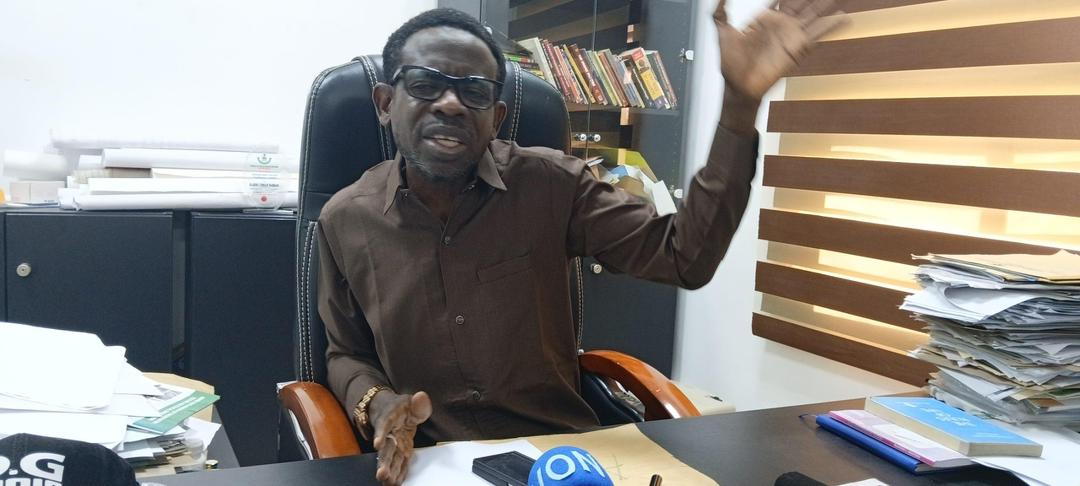
Addressing participants, the Director-General of GOGIS, Dr. Kabiru Usman Hassan described the project as a strategic pillar of the state’s ongoing land administration and urban governance reforms.
“The Street Naming and House Numbering Project is a critical pillar of our land administration and urban governance reforms, aimed at improving service delivery, security coordination, and economic efficiency in Gombe Metropolis,” he said.
He explained that beyond aesthetics, the initiative would provide a structured framework for identifying every street and property within the metropolis, thereby strengthening governance and public administration.
According to him, “Every street and property in Gombe will be easily identified, making emergency response faster and more effective for security agencies, health workers, and fire services.”
Urban planners argue that functional addressing systems are central to inclusive development. Clear property identification supports revenue generation, infrastructure management, logistics, and access to utilities. It also enables residents to secure verifiable addresses for official documentation and digital services.
Echoing this, the GOGIS chief noted that the project would “strengthen revenue administration, support businesses and logistics operations, and provide residents with verifiable addresses required for documentation, utilities, and digital services.”
He added that the initiative aligns with the broader vision of transforming Gombe into a digitally enabled and investment-friendly city, capable of meeting the demands of rapid urbanisation.
The tender opening, he stressed, represents a crucial stage in translating policy into action. “The tender opening is being conducted transparently and competitively, in full compliance with Gombe State’s procurement laws and due process requirements,” he assured stakeholders.
He commended Governor Muhammadu Inuwa Yahaya for championing the project, describing it as a legacy intervention designed to modernise land administration and urban management in the state.
“This project reflects the vision and commitment of His Excellency to building a modern, well-organised, and digitally enabled Gombe State,” he said.
He also acknowledged the oversight role of the Bureau of Public Procurement and other stakeholders, noting that their presence signalled a shared commitment to accountability and the value of public funds.
With the bid process underway, the Street Naming and House Numbering Project now moves from concept to competitive selection — a step that could redefine how Gombe’s metropolis is mapped, managed and experienced.
If successfully implemented, officials say, the initiative will not only bring order to the city’s layout but also embed a foundational system upon which security, commerce, planning and digital governance can firmly stand.
By Auwal Ahmad Umar
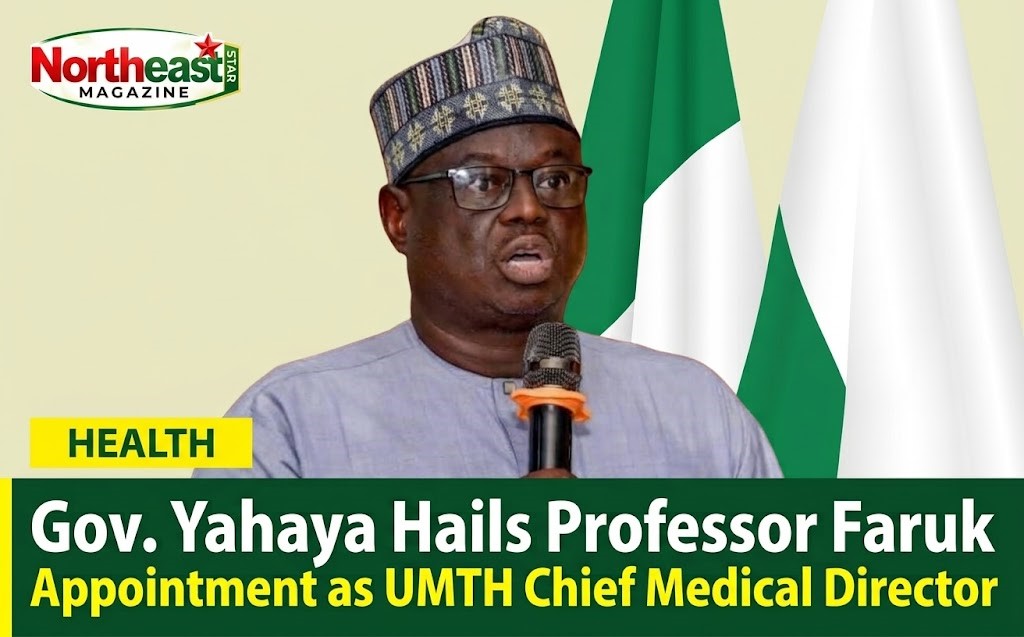
Gombe State Governor, Muhammadu Inuwa Yahaya, has congratulated Professor Faruk Buba on his appointment as the Chief Medical Director (CMD) of the University of Maiduguri Teaching Hospital (UMTH) by President Bola Ahmed Tinubu.
The governor described the appointment as a recognition of Professor Buba years of service in clinical medicine, medical education, research and healthcare management.
In a congratulatory message issued on Tuesday by Ismaila Uba Misilli, Director-General of Press Affairs at the Government House, Gombe, the governor expressed confidence that the new CMD would use his professional expertise and administrative experience to advance the hospital’s mandate.
Governor Yahaya also commended President Tinubu for the appointment and acknowledged the role of the Coordinating Minister of Health and Social Welfare, Professor Muhammad Ali Pate, in the process.
He said the appointment was a source of pride to Gombe State, noting that Professor Buba’s contributions to medical training, specialist healthcare and academic development had earned him recognition beyond his immediate professional environment.
Professor Buba is a Professor of Cardiology and Internal Medicine at the University of Maiduguri and an Honorary Consultant at UMTH. He has held several positions at the hospital, including Deputy Chairman of the Medical Advisory Committee (Clinical), Director of the ICT Centre and Head of the Department of Internal Medicine.
His experience in patient care, medical education and hospital administration is expected to support his new responsibilities at the tertiary health institution.
Governor Yahaya expressed optimism that the professor would deploy his knowledge and leadership skills to improve healthcare delivery, strengthen medical training and research, and enhance the hospital’s operational efficiency.
The governor further assured Professor Buba of the support and goodwill of the Gombe State Government and its people as he begins his tenure.
He urged the new CMD to use the opportunity to make meaningful contributions to Nigeria’s healthcare system, particularly by improving services for patients, supporting medical professionals and promoting research.
Governor Yahaya wished Professor Buba a successful tenure, expressing hope that his leadership would leave a lasting impact on the University of Maiduguri Teaching Hospital and the wider health sector.

By Auwal Ahmad, Gombe
The Gombe State Government has begun the disbursement of ₦10.32 billion in gratuity to 6,665 retired workers, as the administration of Governor Muhammadu Inuwa Yahaya moves to clear outstanding retirement benefits and prevent a fresh accumulation of arrears.
The payment, which covers retirees at both the state and local government levels, was announced by Yahaya on Thursday at the official commencement of the latest gratuity disbursement exercise in Gombe.
The governor said ₦6.24 billion would go to 2,354 state government retirees, while ₦4.08 billion had been released to support the 11 local government councils in settling gratuity obligations owed to 4,311 retirees.
Yahaya said the latest disbursement marked the sixth major round of gratuity payments undertaken by his administration since it assumed office in 2019.
According to him, the government inherited a ₦21 billion gratuity backlog covering retirees of both the state and local governments.
He said the financial situation inherited by the administration made it difficult to immediately clear the liabilities, noting that some local governments were struggling to meet their monthly salary obligations.
“When we assumed office in 2019, we inherited a gratuity backlog of ₦21 billion owed to state and local government retirees,” Yahaya said.
He said his administration nevertheless prioritised the payment of the arrears because gratuity was an entitlement earned by workers after years of service.
The governor said ₦33.283 billion had been paid in gratuities before the latest disbursement, bringing the total amount paid by the administration to ₦44.134 billion.
He attributed the government’s continued payment of the arrears to prudent management of public resources despite several economic challenges experienced during his tenure.
Among the challenges, he listed the COVID-19 pandemic, economic recessions, the Russia-Ukraine war, the removal of fuel subsidy and the floating of the naira.
Yahaya said the latest payment had cleared the state’s gratuity obligations up to December 2025.
He, however, acknowledged that new liabilities had accumulated from January 2026, assuring retirees that gratuities accruing in 2026 would be paid early in 2027.
The governor also disclosed that ₦299 million had been paid to former employees of the Gombe Investment and Property Development Company following the dissolution of the organisation and the establishment of the Gombe State Investment Promotion Agency.
He added that he had approved the settlement of outstanding gratuities owed former local government chairmen and councillors from previous administrations to date.
For local government retirees, Yahaya said the latest payments covered different periods, depending on the level of outstanding obligations in each council.
The affected councils are Akko, Balanga, Billiri, Dukku, Funakaye, Kwami, Nafada, Gombe, Kaltungo, Shongom and Yamaltu-Deba.
Beyond clearing the existing backlog, Yahaya said the government was working on a mechanism to prevent gratuity arrears from accumulating again.
He said the options being considered included adopting a contributory pension arrangement or making direct deductions from the Consolidated Revenue Fund to guarantee regular payment of retirees’ entitlements.
“Our objective is simple: gratuity obligations must never again be allowed to accumulate and become an unbearable burden to the state and our retirees,” he said.
The governor linked the latest payment to other measures introduced by his administration to improve workers’ welfare, including the implementation of the new minimum wage and CONMESS and CONHESS for medical personnel.
He also cited the construction of a new state secretariat, judicial and legislative complexes, 13 Local Council Development Area secretariats and the rehabilitation of 11 former local government secretariats.
On recruitment, Yahaya said his administration had been cautious about expanding the public workforce because of the financial burden inherited from previous years.
He said the government had nevertheless employed 1,000 teachers and more than 440 health workers, in addition to workers recruited into various agencies established by the administration.
With the inherited gratuity backlog substantially addressed, Yahaya said the state was now better positioned to recruit workers based on the actual needs of the public service.
He appealed to retirees, civil servants and labour unions to continue supporting the government’s reforms, assuring them that financial discipline and workers’ entitlements would remain priorities.
“For us, this is not just about figures. It is about restoring dignity to people who gave the best years of their lives in service to Gombe State,” Yahaya said.

By Auwal Ahmad, Gombe
Borno State Governor, Prof. Babagana Umara Zulum, has commissioned roads, a bridge, a Local Council Development Area (LCDA) secretariat and two district head palaces in Kwami Local Government Area of Gombe State.
The projects, located in Bojude and Daban Fulani communities, were commissioned by Zulum during a ceremony attended by Gombe State Governor Muhammadu Inuwa Yahaya and other government officials, traditional rulers and residents.
Speaking at the event, Zulum said the projects reflected the importance of investing simultaneously in infrastructure, grassroots administration and traditional institutions.
He said the roads and bridge would improve connectivity for rural communities and make it easier for residents to access markets, schools, healthcare facilities and other essential services.
According to him, improved road networks could also help farmers move their produce to markets and strengthen economic activities in rural areas.
“For our rural communities, a reliable road can make the difference between produce reaching the market and going to waste; between a child attending school regularly and struggling to get there; and between a patient receiving timely care and facing a difficult journey,” he said.
Zulum commended the Gombe State Government for prioritising infrastructure development in Kwami, saying better connectivity remained essential to improving livelihoods and expanding economic opportunities.
He, however, said the success of the newly commissioned Bojude LCDA Secretariat would depend largely on the quality of services delivered to residents.
The governor urged officials working at the secretariat to make responsiveness, accountability and fairness central to their responsibilities.
“I urge those who will work in this secretariat to make it a place where citizens are welcomed, listened to, and served with fairness and respect,” he said.
Zulum also stressed the importance of traditional institutions, particularly in maintaining peace, resolving disputes and strengthening the relationship between government and local communities.
He said the new palaces for the District Heads of Bojude and Daban Fulani should serve not only as administrative residences but also as centres for dialogue, reconciliation and community leadership.
“Our traditional rulers preserve our heritage, promote peaceful coexistence, help resolve disputes, and provide a vital link between government and the people,” he said.
The Borno governor urged traditional rulers to continue supporting government efforts in education, peacebuilding, community cooperation and security.
He commended Governor Inuwa Yahaya’s administration for executing the projects, stressing that governments in the North-East needed to work together to address the region’s development challenges.
Zulum said the region’s governors had a shared responsibility to strengthen institutions, expand opportunities and improve the conditions of citizens.
He also appealed to residents of Bojude and Daban Fulani to protect the newly commissioned facilities and ensure that they were properly maintained.
“Let us also remember that commissioning marks the beginning of a facility’s service to the public. The work must continue through proper maintenance, effective administration, and a lasting commitment to the people for whom these projects were built,” he said.
Zulum thereafter formally commissioned the roads and bridge projects, the Bojude LCDA Secretariat and the district head palaces in Bojude and Daban Fulani for use by the communities.
He prayed for continued peace and development in Gombe State, Borno State, the North-East and Nigeria.
In his remarks, Governor Muhammadu Inuwa Yahaya said the creation of the Local Council Development Areas was aimed at bringing governance and development closer to the people. He said the initiative was inspired by President Bola Ahmed Tinubu’s experience as governor of Lagos State, where similar structures were used to deepen grassroots administration and improve access to government services.
Inuwa said the establishment of the 13 development areas was part of his administration’s effort to strengthen local governance and ensure that communities received greater attention in the delivery of infrastructure and public services. He expressed appreciation to Governor Zulum for honouring the invitation to commission the projects, describing his presence as a demonstration of the bonds of cooperation and solidarity among North-East states.

Governor Yahaya Urges Journalists to Embrace Technology Without Compromising Ethics

Borno Police Arrest Six Over Phone Theft, Recover N5.65m

Gov Buni tasks Permanent Secretaries on service delivery, accountability

APC National Chairman Settles Gombe Central Contest, Raises DCP Ahmed’s Hand as Party’s Senatorial Candidate

NGX Ends Week in the Green as ₦1.54 Trillion Boosts Investors’ Fortunes

Gombe Eyes Livestock-Led Economic Growth as Inuwa Yahaya Meets Minister

-
 Politics4 months ago
APC National Chairman Settles Gombe Central Contest, Raises DCP Ahmed’s Hand as Party’s Senatorial Candidate
-
 Economy10 months ago
NGX Ends Week in the Green as ₦1.54 Trillion Boosts Investors’ Fortunes
-
 Agriculture3 months ago
Gombe Eyes Livestock-Led Economic Growth as Inuwa Yahaya Meets Minister
-
 Sport7 months ago
Gombe Aquatic Sports Body Unveils Board, Sets Stage for Competitive Debut
-

 Education10 months ago
Dangote Launches Landmark ₦1 Trillion Scholarship Scheme to Support 1.3 Million Nigerian Students
-

 Economy11 months ago
CBN’s End to Cash Withdrawal Limit
-

 Striking the Balance3 months ago
The $2,500 Threshold: Why Raising Nigeria’s GDP Per Capita Is Our Best Non-Kinetic Strategy for Peace
-

 Environment5 months ago
World Environment Day: NGO Urges Nigerians to Embrace Nature-Based Solutions Against Climate Change