Borno
From Empire to Identity: How the Kanem-Borno Cultural Summit Rekindles a Thousand-Year African Legacy

From Empire to Identity: How the Kanem-Borno Cultural Summit Rekindles a Thousand-Year African Legacy
By Tada jutha, Maiduguri
Long before modern borders carved Africa into nation-states and colonial maps fractured shared histories and kinship, the Kanema-Borno Empire stood as one of the most enduring civilisations the continent had ever known. Rising from the sands around Lake Chad in the 9th century, Kanem-Borno was not merely a kingdom; it was a living network of culture, trade, scholarship, and identity that stretched across what are today Nigeria, Chad, Niger, Cameroon, Libya, and beyond.
The Sayfawa dynasty ruled the empire for more than a thousand years. Islamic scholarship strengthened it, and trade routes across the Sahara Desert connected Central Africa to North Africa and the Mediterranean world. Its rulers built institutions, fostered learning, and cultivated a shared Kanuri identity that transcended geography. Even as empires elsewhere rose and fell, Kanem-Borno adapted, migrated, and survived.
Yet history, though powerful, is not immune to disruption. Colonial partitions, post-independence political upheavals, economic marginalisation, climate change around Lake Chad, and, more recently, violent extremism have fractured communities that once spoke the same language, shared the same customs, and traced their lineage to the same ancestral roots. The Kanuri people, once bound by empire, found themselves separated by borders, policies, and insecurity.
It is against this backdrop of history, loss, and resilience that the Kanem-Borno Cultural Summit (KBCS) emerges not as a mere celebration but as a deliberate act of remembrance and reconstruction.
A Modern Gathering Rooted in Ancient Memory
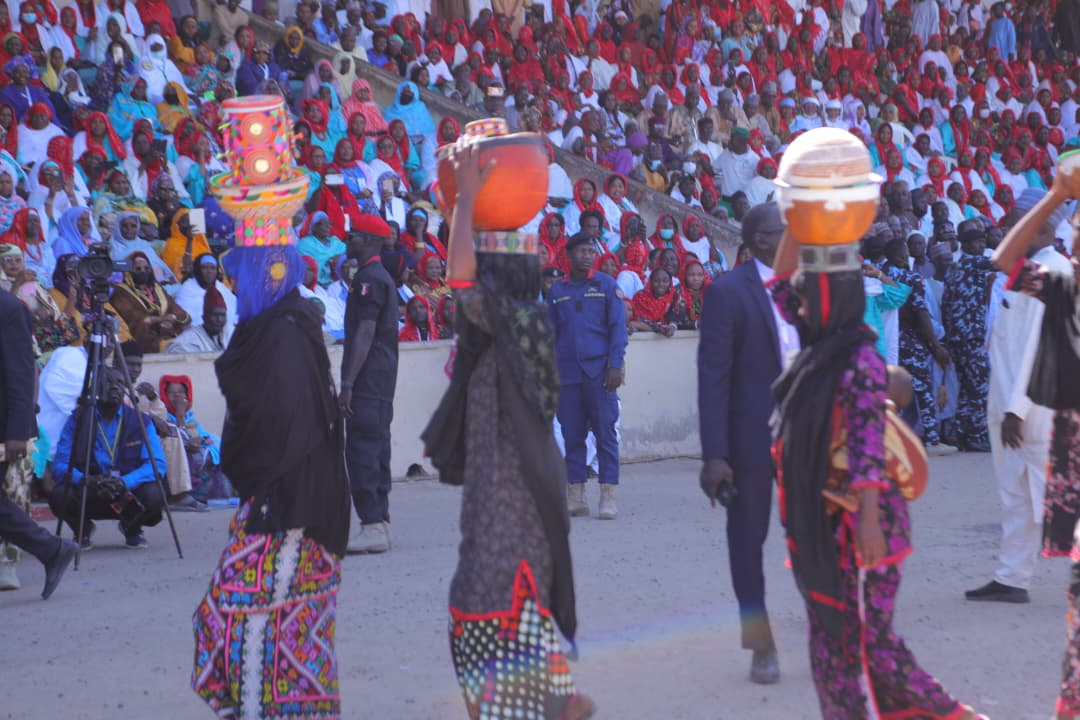
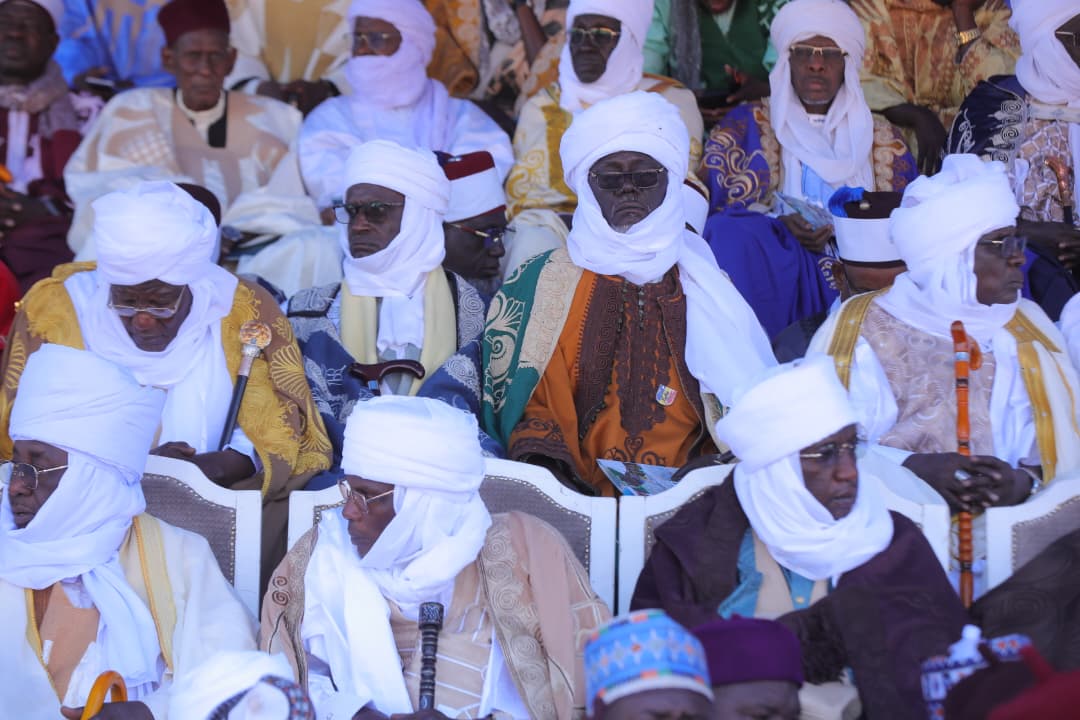
On a Thursday in Maiduguri, the heartland of the old empire, history returned—not in the form of conquest or coronation, but through dialogue, dance, and shared identity. Thousands of Kanuri kinsmen and women from ten African countries converged at the Mohammed Indimi International Conference Centre to celebrate this year’s Kanem-Borno Cultural Summit.
Hosting the gathering, Borno State Governor, Professor Babagana Umara Zulum, described the summit as a strategic effort to revive cultural heritage and deploy it as a tool for peacebuilding and sustainable development across Africa.
“This summit”, Zulum said, “represents a deliberate effort to rebuild transnational kinship networks based on a shared identity, to create a supportive global community that can tackle the myriads of challenges collaboratively.”
The statement carried weight. Borno State, once the epicentre of the Kanem-Borno Empire, has in recent decades become synonymous with insurgencies, displacements, and humanitarian crises. Yet here it was—repositioning itself not just as a survivor of conflict, but as a convener of continental unity.
A Continental Reunion of the Scattered People
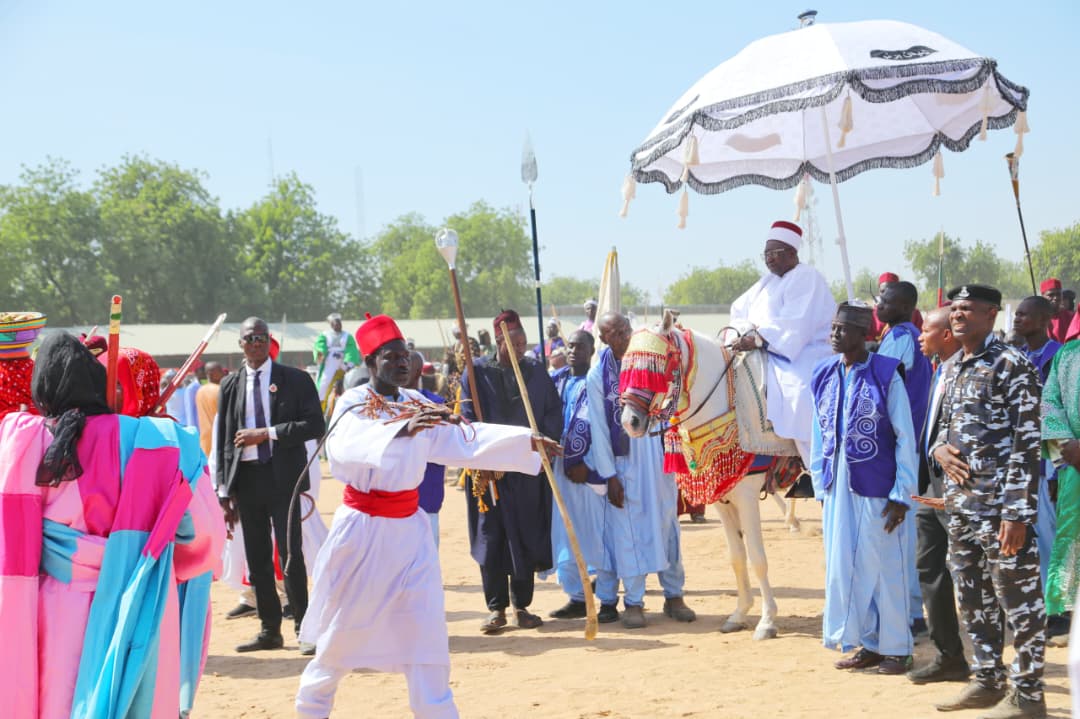
The summit attracted 161 traditional rulers, top government officials, scholars, and cultural custodians, alongside thousands of Kanuri participants from Ghana, Sudan, Gabon, Niger, Central African Republic, Senegal, Libya, Chad, Cameroon, and Benin.
For many attendees, the gathering was deeply emotional. Families separated for generations by borders met under one roof. Elders spoke in Kanuri dialects shaped by geography but united by origin. Youths, some born in exile or diaspora, encountered their heritage not through textbooks, but through living culture.
Governor Zulum urged participants to go beyond celebration and invest in shared development.
“You are to invest in a shared future,” he told the gathering, “to ensure that the illustrious legacy of the Kanem-Borno remains an inspiration for future generations among the member countries.”
Culture as a Tool for Healing and Development
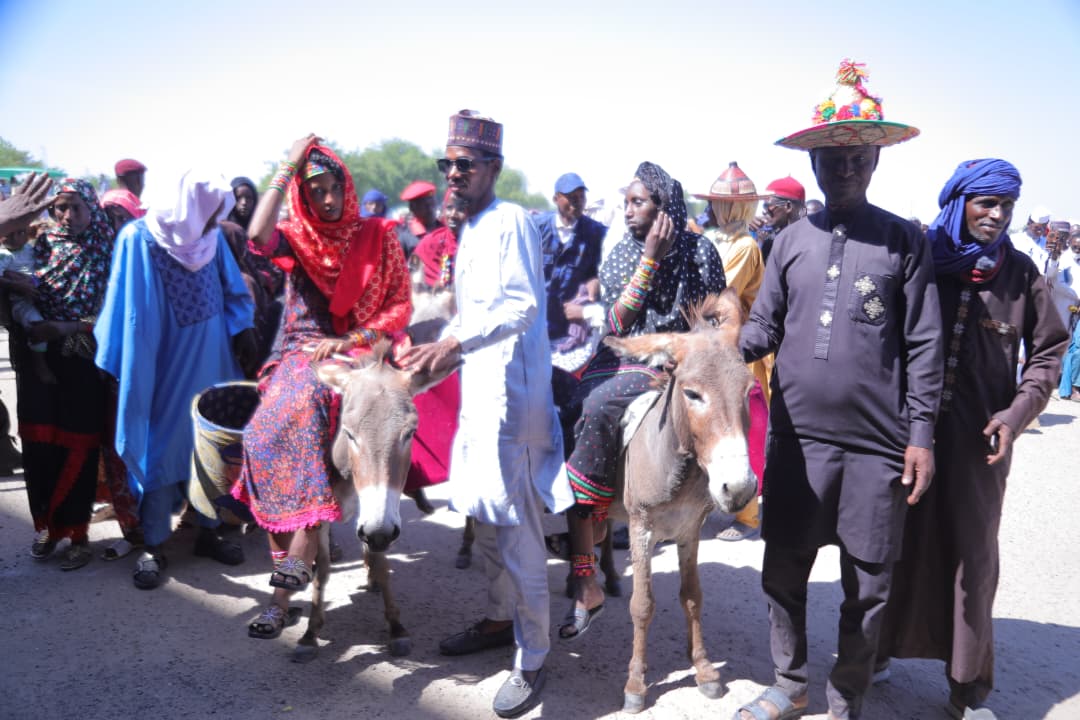
The summit’s program reflected this vision. Beyond speeches, it featured traditional dances, cultural displays, and ceremonial performances, with colourful contingents dressed in costumes representing different regions of the old empire. Each dance told a story—of harvest, migration, royalty, and resistance. Each drumbeat echoed centuries of memory.
But culture, as Zulum emphasised, is not only about the past.
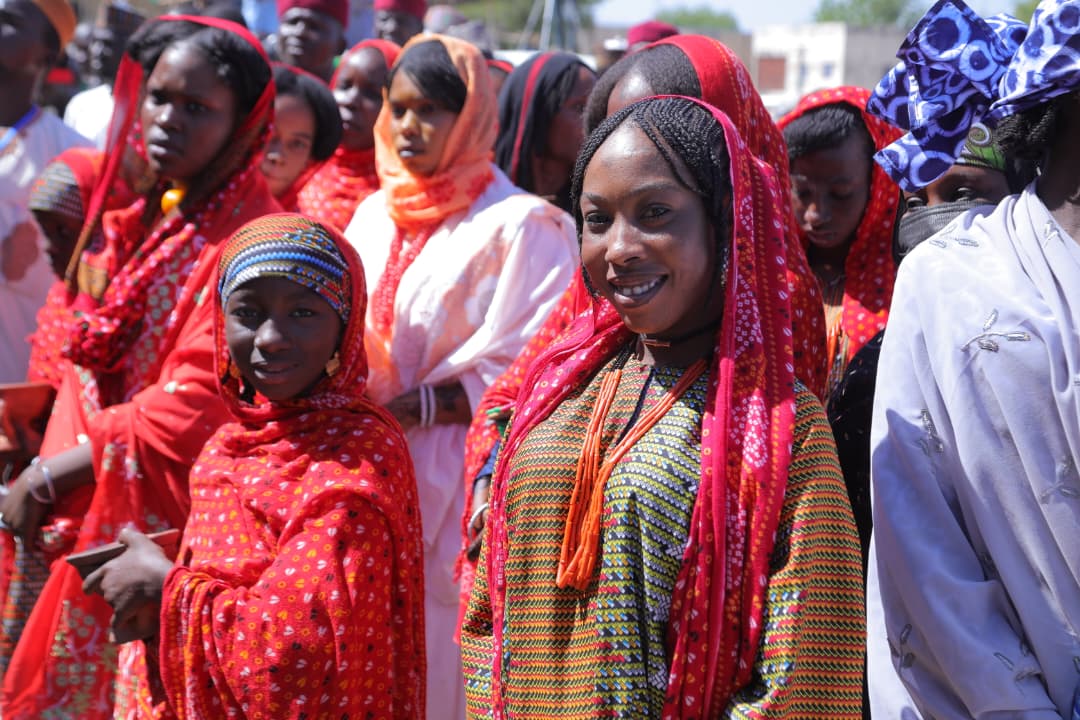
Speaking in the Kanuri language, the governor challenged participants to focus on educational exchange, entrepreneurial collaboration, and socio-economic initiatives capable of uplifting Kanuri communities across borders.
This approach reframes culture not as nostalgia but as capital—social capital that can foster trust, economic networks, and collective problem-solving in a region still grappling with insecurity and underdevelopment.
Reclaiming the Narrative of the Kanem-Borno Empire
In reflecting on the significance of the summit, Zulum reminded the audience of the empire’s historical stature.
“The Kanem-Borno Empire was one of the greatest and longest-lasting empires in African history,” he said. “It flourished for over 1,000 years, approximately from the 9th to the 19th century, in the region of Lake Chad.”
This reminder was more than academic. In a global narrative that often marginalises African civilisations, reclaiming the Kanem-Borno story is an act of intellectual and cultural resistance. It asserts that African societies were organised, scholarly, and globally connected long before colonialism.
Investing in Unity Through Education
Perhaps the most tangible outcome of the summit was Governor Zulum’s announcement of scholarships for 150 students from countries that once formed the Kanem-Borno Empire. The gesture symbolised a belief that education remains the strongest bridge between past glory and future possibility.
In a region where conflict has disrupted schooling for millions, the scholarship initiative serves both symbolic and practical purposes—fostering unity while empowering a new generation of leaders, scholars, and entrepreneurs who understand their shared heritage.
Regional and Traditional Endorsement
The summit also enjoyed high-level regional endorsement. The President of Chad, Mahamat Idriss Déby Itno, represented by the Governor of Lac Province, Major General Saleh Haggar Tidjani, proposed that the summit be institutionalised and rotated among member countries every ten years.
Such a proposal elevates the KBCS from an event to a movement—one capable of shaping diplomatic, cultural, and developmental cooperation across borders.
Other dignitaries in attendance underscored the summit’s national and international relevance. They included Yobe State Governor Mai Mala Buni; former Vice President Ambassador Babagana Kingibe; the Sultan of Sokoto, Alhaji Muhammadu Sa’ad Abubakar III; Senators Mohammed Tahir Monguno and Mohammed Ali Ndume; and Kaka Shehu Lawan.
Also present were members of the House of Representatives, speakers of the Borno and Yobe State Houses of Assembly, emirs and chiefs from across Nigeria, commissioners, lawmakers, and senior government officials.
Their presence reinforced the idea that culture, when properly harnessed, can complement governance and diplomacy.
Beyond Ceremony: A Blueprint for Post-Conflict Identity
What sets the Kanem-Borno Cultural Summit apart is its timing. Coming after years of insurgency that fractured trust and displaced communities, the summit represents a post-conflict identity project—a conscious attempt to heal wounds through shared memory.
In rebuilding Borno, Governor Zulum’s administration has focused on infrastructure, resettlement, and security. The KBCS adds another layer: psychological and cultural reconstruction. It tells the Kanuri people that they are more than victims of conflict; they are heirs to an empire that once shaped Africa.
A Legacy Reawakened
As the summit drew to a close, the drums fell silent, but the message endured. The Kanem-Borno Empire may no longer exist as a political entity, but its spirit—rooted in unity, resilience, and cultural pride—remains alive.
In reviving this legacy, the Kanem-Borno Cultural Summit offers more than celebration. It offers a roadmap: one where history informs development, culture fosters peace, and identity transcends borders.
From empire to identity, from memory to movement, the story of Kanem-Borno is being retold—not as a relic of the past, but as a living force shaping Africa’s future.


