
Gombe
Eid-el-Fitr: Inuwa Yahaya Urges Nigerians to Sustain Ramadan Virtues, Embrace Unity

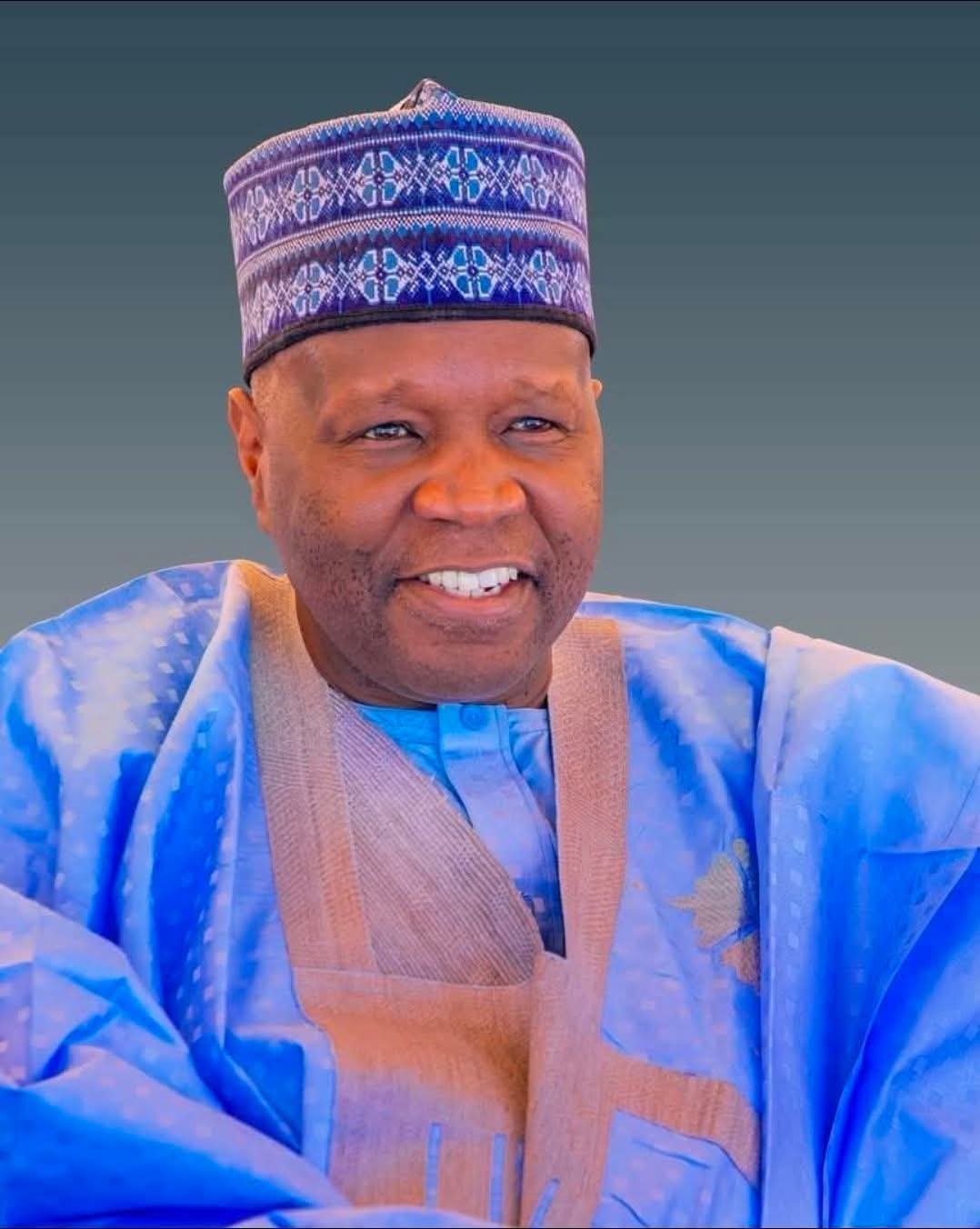
Eid-el-Fitr: Inuwa Yahaya Urges Nigerians to Sustain Ramadan Virtues, Embrace Unity
By Auwal Ahmad
Gombe State Governor, Alh. Muhammadu Inuwa Yahaya, has called on Muslims and Nigerians at large to uphold the values of devotion, sacrifice and compassion cultivated during the holy month of Ramadan as they celebrate Eid-el-Fitr.
In a goodwill message to mark the end of the fasting period, the governor described the festival as more than a celebration, urging the faithful to reflect deeply and carry forward the lessons of Ramadan into their daily lives.
He encouraged Muslims to remain committed to righteousness, stressing that the essence of Ramadan lies in promoting discipline, humility and care for others.
“As we mark Eid-el-Fitr, we must hold on to the virtues of piety, obedience and selflessness learned during Ramadan. These values are key to building a peaceful and harmonious society,” he said.
Governor Yahaya also emphasised the need for continued prayers for Nigeria, especially at a time the country faces economic and social challenges. He urged citizens to remain hopeful and united, expressing optimism that the nation would overcome its difficulties.
The governor further appealed to residents of Gombe State to preserve the peaceful atmosphere in the state, noting that stability remains essential for development and progress.
He reiterated his administration’s commitment to maintaining law and order, warning that any attempt to disrupt public peace would not be tolerated.
Looking ahead to the political season, the governor called for prayers and responsible conduct as election activities approach. He urged Nigerians to seek divine guidance for leaders and work towards a peaceful and credible process.
Governor Yahaya also tasked religious, traditional and community leaders with promoting unity and tolerance, stressing that peaceful coexistence is vital for sustained growth.
He expressed gratitude to the people of Gombe State for their continued support and cooperation, assuring them of his government’s resolve to deepen development across key sectors and improve the well-being of citizens.
The governor concluded by wishing Muslims a joyful and peaceful Eid-el-Fitr celebration.
Gov. Inuwa Yahaya Dissolves Gombe Executive Council
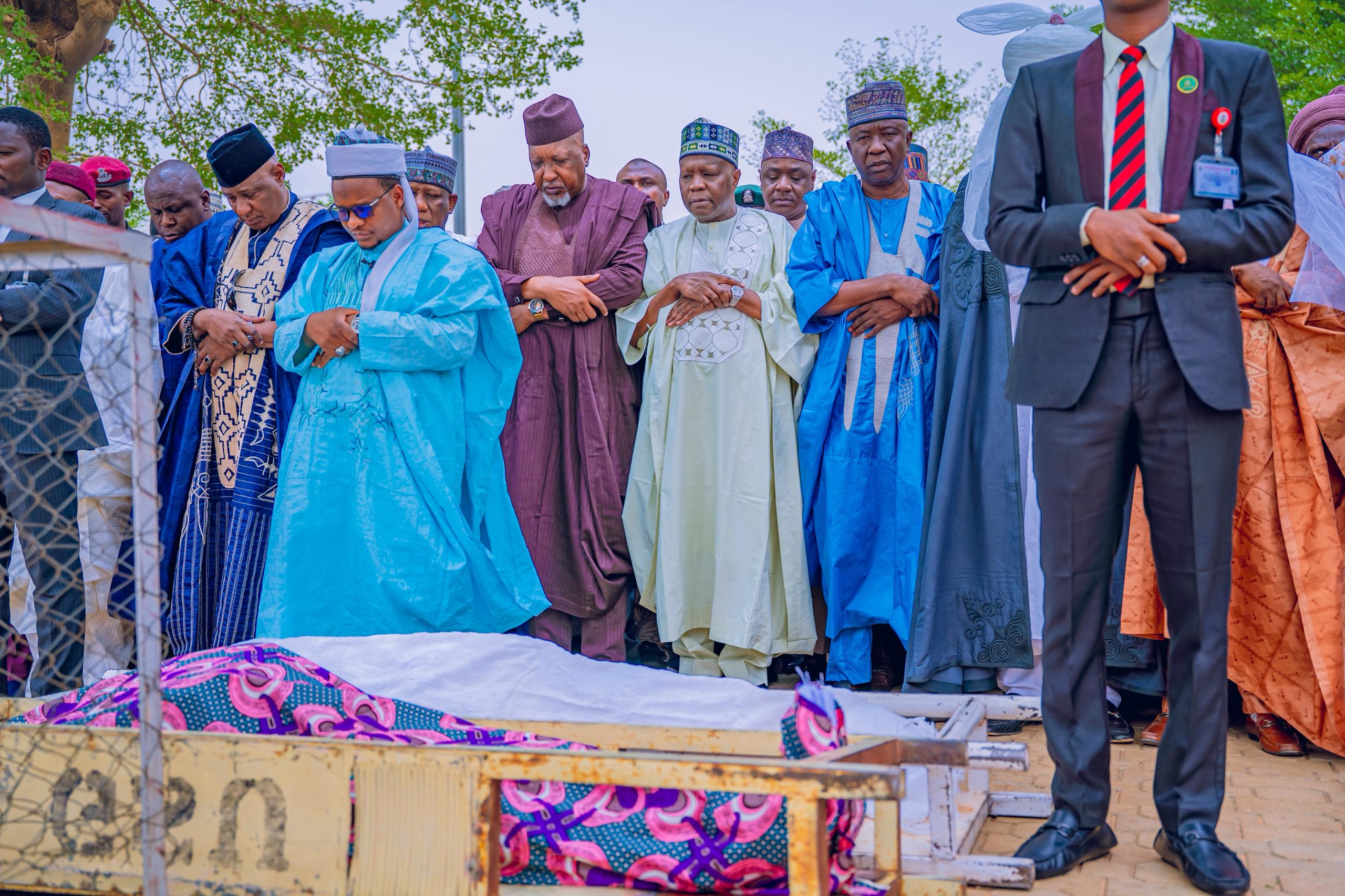
Inuwa Yahaya Pays Last Respect as Gombe Mourns Elder Statesman Manu Malala
By Auwal Ahmad Umar
Gombe State was thrown into mourning following the death of respected elder statesman and community leader, Alhaji Manu Malala, who passed away in Gombe after a prolonged illness.
Governor Muhammadu Inuwa Yahaya led top government officials and sympathisers to the Bubayero Central Mosque, the Emir’s Palace, and Gombe, where the funeral prayer (Janazah) for the late elder statesman was held.
In a condolence message, the governor described the deceased as a patriotic leader, a grassroots mobiliser, and a committed public servant whose life was devoted to service, humility, and the advancement of his community.
Governor Inuwa Yahaya said the late Manu Malala left behind a legacy of dedication and sacrifice, noting that he played key roles in public service and governance in Gombe State.
He recalled that the deceased served meritoriously in several capacities, including as local government secretary and a member of the Civil Service Commission Board, among other assignments that contributed significantly to public administration and community development.
The governor further praised the late elder statesman for his strong influence in grassroots politics and community leadership, saying his wisdom, experience and ability to unite people across political and social lines made him a highly respected figure in the state.
According to him, the passing of Alhaji Manu Malala is not only a painful loss to his immediate family but also a huge setback for Gombe State, especially for those who benefited from his guidance, counsel and commitment to public service.
On behalf of the government and people of Gombe State, Governor Inuwa Yahaya extended heartfelt condolences to the Deputy Chairman of Dukku Local Government, Hon. Umar Manu Malala, his siblings and the entire Manu Malala family for the painful loss.
He prayed to Almighty Allah to forgive the shortcomings of the deceased, accept his lifetime of service to humanity, and grant him Aljannat Firdaus.
The death of Alhaji Manu Malala has continued to draw tributes from political associates, community leaders, and residents, many of whom remember him as a man of peace, integrity, and unwavering dedication to serving society.
Experts call for action to eliminate cervical cancer
Some health experts have called for accelerated action to eliminate cervical cancer in Nigeria as a public health challenge as well as achieving the 90–70–90 targets by 2030 and placing Nigeria on a path to eliminating cervical cancer within the next century.
The call was made during a stakeholders’ engagement in Gombe on Saturday, titled “2026 Gombe HPV Forum”, which was organised by the Papillomavirus Society of Gombe Nigeria (PSGN) in partnership with the Arewa Cancer Control Coalition (ACCC), Call of Cancer Initiative (COCI), Gratefield, the APIN public health initiative, and the International Papillomavirus Society (IPVS) Nigeria.
Dr Mohammed Manga, President of the International Papillomavirus Society (IPVS) Nigeria, said that though the government has made efforts towards eliminating cervical cancer, he stressed that a lot was still needed to achieve the global target in the country.
Manga, a professor of medical microbiology, said that the efforts of the government in tackling the health challenge were commendable.
According to him, over 14 million girls within the past three years have been immunised, stating that such exercise remains unprecedented and is the largest on the African continent.
He stated that the setting up of the national taskforce on cervical cancer elimination was proof of the commitment of the government towards tackling the threat posed by cervical cancer.
He added that the initiative to have a national cancer fund where certain cancers that have been diagnosed received some support for treatment and diagnosis was good and impactful.
While calling for more awareness to dismiss the misconceptions around the HPV vaccine, Manga said that the availability of some interventions was not as optimum as they should be.
Dr. Ishaq Lawal, a gynaecologist with the Federal Teaching Hospital Birnin Kebbi and the chairman of the Board of Trustees and the Cervical Cancer Nigeria Initiative, said there were about 600,000 global cases of cervical cancer recorded annually, and over 300,000 die annually.
Lawal said the fact that over 7,000 persons die of cervical cancer in Nigeria annually showed that there was a lot more that should be done to reduce the level of cervical cancer in the country.
Dr Halimah Usman Farooq, an associate professor of gynaecology, Department of Obstetrics and Gynaecology, College of Medicine, Gombe State University, called on stakeholders to accelerate national action toward ending cervical cancer, one of the most preventable yet deadly cancers affecting women across the continent.
Farooq said a stronger commitment was needed towards ensuring that no woman dies from a disease that can be prevented, detected early, and treated.

Gov. Inuwa Yahaya Dissolves Gombe Executive Council

Why Nigeria Must Extend Basic Education to 12 Years — PAGED Tells Journalists

Inuwa Yahaya Pays Last Respect as Gombe Mourns Elder Statesman Manu Malala

Dangote Launches Landmark ₦1 Trillion Scholarship Scheme to Support 1.3 Million Nigerian Students

NGX Ends Week in the Green as ₦1.54 Trillion Boosts Investors’ Fortunes

Formal Rebuttal to the Recent Interview Granted by Retired Major General Ali Keffi on Arise TV
-
 Education4 months ago
Dangote Launches Landmark ₦1 Trillion Scholarship Scheme to Support 1.3 Million Nigerian Students
-
 Economy4 months ago
NGX Ends Week in the Green as ₦1.54 Trillion Boosts Investors’ Fortunes
-
 Column4 months ago
Formal Rebuttal to the Recent Interview Granted by Retired Major General Ali Keffi on Arise TV
-

 Economy4 months ago
CBN’s End to Cash Withdrawal Limit
-

 Gombe4 months ago
Gombe Shines Again, Ranks Second in Northeast at 2025 PHC Leadership Challenge
-
 Politics4 months ago
NSGF names Ezekiel Gomos as Director-General, setting stage for stronger regional collaboration
-

 Gombe4 weeks ago
A tribute to Dr Langa Hassan Bangunji (JP) – an icon of Scholarship, Leadership and Community Service
-

 Latest News4 months ago
Anglican Church Expands Footprint with 15 New Dioceses, Total Hits 176