
Guest Column
Kebbi 2027: Gov. Nasir Weathering The Storm

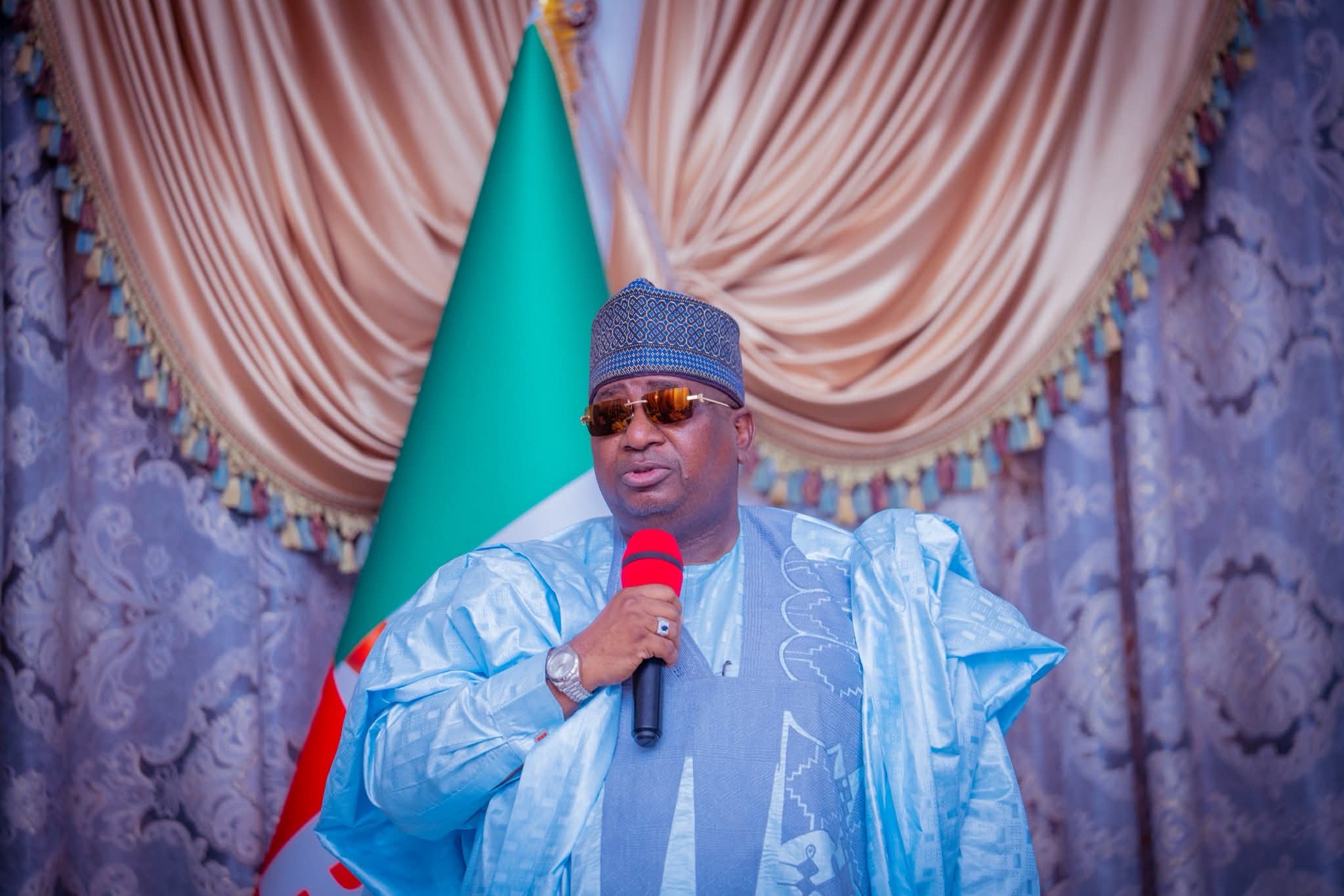
Kebbi 2027: Gov. Nasir Weathering The Storm
By Sani Umar
As conversations for the 2027 elections begin to intensify, it is only natural that first-term governors pursue re-election. The constitution permits it, yet it is not automatic. In this sense, the only thing that truly guarantees re-election is a record of good governance.
And, in the Nigerian political landscape, nothing signals that a leader has surpassed expectations more than endorsement, even from opposition politicians. Nothing communicates that endorsement better than staunch opposition figures abandoning their parties to pitch camp with an incumbent. That, in practical terms, is what is happening in Kebbi State.
Without having to solicit or press them, several opposition elements have abandoned their ship to align with Governor Nasir Idris (Kauran Gwandu) in the APC. Strong PDP members like Alhaji Sule Ikko and several others have switched to what they describe as the winning team. Perhaps, one of the most consequential of these defections is that of Sani Abubakar Malami, younger brother to Abubakar Malami, erstwhile Attorney-General of the Federation. Alongside him, figures like Alhaji Musa Dan Kwado, Bello Ka’oje, and Alhaji Haruna Sa’idu; all notable opposition actors with grassroots influence have also pitched camp with the APC.
The defection of Sani Abubakar Malami, in particular, is an indication that beyond the media glitz in Abuja and other gaslighting avenues, Abubakar Malami is not even considered a serious threat in Kebbi State. He neither commands any formidable structure nor enjoys meaningful street-level sympathy. The recent reception accorded him, when youths accosted his convoy with chants of “barawo bai mulki” (loosely translated as “thieves don’t govern”) says more than a thousand carefully crafted press statements ever could.
Beyond opposition approval, however, one is tempted to ask: what exactly is Governor Nasir doing differently to attract this level of approval from friendlies and hostiles alike? The answer is simple: Governance that resonates with the people! Governance, as we know, rests on tangible outcomes, not the kind of noise that people like Malami thrive on. Across several sectors, including education, healthcare, agriculture, infrastructure, security, and worker welfare, the administration has attempted to address longstanding gaps that have defined the development narrative of Kebbi State.
One of the clearest indicators of this is investment in education, where Nasir has made it his personal mandate to rebuild the very foundation of society. This is especially significant given that education holds a personal place in Nasir Idris’s story. Before entering politics, he built his reputation as a labour leader and advocate for teachers, making education not just policy, but a constituency.
Since assuming office, the administration has embarked on the renovation and rehabilitation of several schools across the state. Institutions such as Government Girls Secondary School, Birnin Kebbi; Government Secondary School, Jega; and Nagari College, Birnin Kebbi have benefited from upgrades in infrastructure and learning facilities. These efforts are complemented by the recruitment of additional teachers to address manpower shortages in the public school system.
In addition, the government has sustained the policy of paying WAEC and NECO examination fees for final-year students in public schools, an intervention designed to ease financial pressure on families while encouraging school retention. These efforts may appear routine in policy discussions, but they represent a meaningful recalibration in a sector that had long struggled with decay and neglect.
Healthcare is another sector where the administration has acknowledged both the scale of the challenge and the urgency of reform. Early in his tenure, Governor Idris drew attention when he openly admitted that some hospitals in the state were so dilapidated that even basic facilities like beds were absent. That unusual candour set the tone for a reform agenda rooted in transparency and gradual rebuilding.
One of the flagship initiatives here is the establishment of the Kauran Gwandu College of Nursing and Midwifery Sciences in Ambursa. This institution was designed to expand the training pipeline for nurses and midwives, particularly for underserved rural communities.
Beyond manpower development, the government has also embarked on the rehabilitation of key healthcare facilities, including Argungu General Hospital and Sir Yahaya Memorial Hospital in Birnin Kebbi, alongside several primary healthcare centres across local government areas. The logic is straightforward: healthcare delivery in Nigeria begins at the grassroots.
Perhaps the most visible dimension of the Nasir administration’s governance record lies in infrastructure development, particularly road construction and urban renewal. Among the key projects is the dualisation of Emir Haruna Road in Birnin Kebbi, which has significantly improved traffic flow within the state capital. Complementing this is the dualisation of the Old Argungu By-Pass—a 6.4-kilometre project valued at over ₦7.23 billion, complete with drainage systems and solar street lighting.
Other initiatives include the Birnin Kebbi–Ambursa Road, expansion of township road networks, and the construction of a modern Central Motor Park. These are not merely aesthetic upgrades; they are functional investments aimed at facilitating commerce, easing transportation, and connecting rural producers to urban markets.
One particularly symbolic project is the completion of the Bola Ahmed Tinubu Secretariat Complex—a facility that had lingered unfinished for over a decade before being completed by the present administration. It reflects a broader commitment to strengthening institutional capacity within the civil service.
Agriculture, which remains the backbone of Kebbi State’s economy, has also been strengthened. Through seasonal intervention programmes, the administration has distributed over 200 trucks of fertiliser, alongside improved seedlings and mechanised equipment. In one of the most recent interventions, about 240 trucks, equivalent to roughly 120,000 bags were distributed across the 21 local government areas as part of dry-season farming support.
These efforts extend to the provision of tractors, irrigation pumps, herbicides, and other inputs designed to boost productivity in a state widely regarded as one of Nigeria’s leading rice-producing regions.
On the security front which is an unavoidable concern across northern Nigeria, the administration has recorded modest but notable gains. While Kebbi has not witnessed the scale of violence seen elsewhere, the government has taken steps to strengthen coordination. A major component of this strategy is the establishent of the Kebbi State Neighbourhood Watch, a community-based outfit designed to complement federal security agencies through intelligence gathering and grassroots vigilance.
Combined with improved collaboration between traditional rulers, community leaders, and formal security institutions, these measures have helped maintain relative stability, an achievement acknowledged even at the federal level.
Beyond policy and infrastructure, one of the defining qualities associated with Gov. Nasir is his reputation for sincerity. His willingness to openly acknowledge challenges whether in healthcare or security, has earned him a level of credibility many politicians struggle to cultivate. In an environment where leaders often shy away from admitting problems, that openness resonates.
As the 2027 political cycle approaches, debates around leadership continuity in Kebbi State will inevitably intensify. Yet one reality remains difficult to ignore: the administration has already placed substantial projects and policy interventions on the ground.
From the rehabilitation of schools and hospitals to the expansion of road infrastructure, agricultural support programmes, and institutional reforms, the trajectory under his watch has been one of steady, visible progress.
For many observers, the argument for continuity is therefore based not in sentiment, but in the logic of consolidation. Development, particularly in infrastructure, healthcare, and education requires sustained leadership to fully mature. On this score, continuity appears far more compelling than the promises of Eldorado currently being peddled by frustrated political actors.
Ultimately, if the true test of leadership is the ability to translate promises into measurable outcomes, then the emerging record of the Nasir administration provides a solid foundation for the argument that Kebbi State may benefit from giving Governor Nasir Idris the opportunity to consolidate the progress already underway. In that sense, the road to 2027 may well be less about campaigning, and more about the quiet, persuasive power of performance.
The task ahead, as always, rests with the people of Kebbi State. Will they keep faith with a political trajectory already in motion, or will they entertain the romanticised ramblings of glorified political paperweights? The choice, ultimately, is theirs.
Umar writes from Birnin Kebbi
Local Government Autonomy: Nigeria’s Missing Weapon Against Insecurity and Banditry
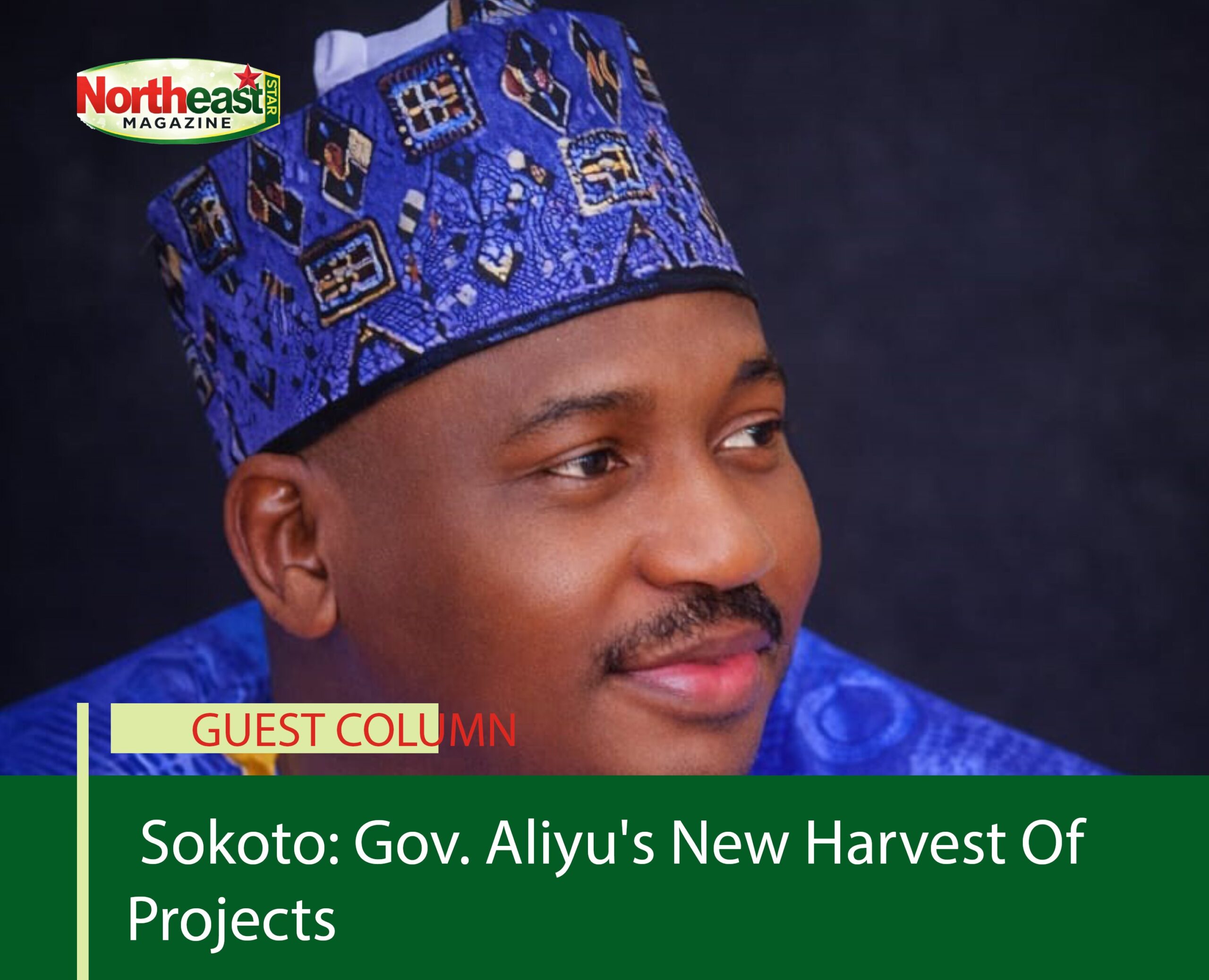
Sokoto: Gov. Aliyu’s New Harvest Of Projects
By Umar Yusuf
In politics, some leaders discuss their plans, while others quietly get to work. The latter category often allows projects and results to speak louder than press statements, political advertisements and endless public relations exercises.
Since the emergence of the Governor Ahmed Aliyu-led administration, commissioning ceremonies—whether for completed projects or the flag-off of new ones—have become a recurring feature of governance in Sokoto State. As the state once again enters another round of project commissioning activities this June, it becomes increasingly clear that Governor Ahmed Aliyu Sokoto is determined to reinforce a governing philosophy that has become synonymous with his administration: promises made must be pursued and delivered.
The ceremonies scheduled across different parts of the state are not isolated events. These ceremonies are part of a broader continuum of infrastructural renewal that has defined the administration since Governor Aliyu assumed office nearly three years ago.
To appreciate the significance of the projects currently being commissioned, one must first recall the circumstances under which the present administration came into office.
At the time Governor Aliyu took over the reins of leadership, many sectors of public life in Sokoto State required urgent intervention. Concerns exist across education, healthcare, transportation, housing, and rural development. Yet perhaps no challenge was as visible and as painful to ordinary citizens as the crisis surrounding potable water supply.
For many residents of the Sokoto metropolis and surrounding communities, access to water had become both difficult and expensive. Families spent considerable portions of their income purchasing water from vendors. What should ordinarily have been a basic social service had become a daily struggle.
Recognising the importance of water for public welfare, Governor Aliyu moved swiftly. He showed from the onset that he had no intention of treating water scarcity as a routine administrative challenge. To his government, water was an emergency requiring immediate and sustained intervention.
Massive investments were directed toward the rehabilitation and expansion of water schemes throughout the state. Ageing facilities were revived, abandoned projects were revisited, and new infrastructure was introduced to improve distribution. Projects such as the rehabilitation of the Old Airport Water Scheme, the Tamaje Water Scheme, and other strategic water facilities helped restore supplies to many communities that had endured years of shortages.
Today, even critics of the administration acknowledge the significant improvements in the water situation compared to previous conditions. The turnaround has not only reduced hardship for residents but has also restored confidence in the government’s capacity to respond effectively to public needs.
Water, however, represents only one chapter of a much broader story.
Over the last three years, the Ahmed Aliyu administration has embarked on an ambitious program of infrastructural development that touches virtually every sector of governance. Across the state, roads such as the Mabera-Mani Road, the Gawon Nama Axis, and several township roads have been constructed or rehabilitated, improving mobility and commercial activities.
Healthcare: Hospitals and primary care centres have received upgrades, equipment, and rehabilitation work aimed at improving service delivery. Educational institutions have similarly benefited from renovation projects, the provision of learning facilities, and investments intended to improve the learning environment.
The administration has also pursued housing projects, including the ongoing construction of hundreds of housing units for civil servants and vulnerable groups. Agricultural support programmes, youth empowerment initiatives and interventions targeted at stimulating local economic activities have equally featured prominently within the government’s development agenda.
What is perhaps most remarkable is the geographical spread of these interventions. Rather than concentrating development exclusively within the Sokoto metropolis, the government has consistently sought to extend projects into local government areas and rural communities.
This approach reflects an understanding that development is meaningful only when it reaches the people wherever they reside.
It is against this backdrop that the current round of commissioning activities should be viewed.
Last Friday’s commissioning of the Illela Jumu’at Mosque was more than a ceremonial event. It also provided an opportunity to reflect on the administration’s third anniversary and the progress recorded thus far.
The choice of Illela itself is significant. Situated along the border corridor, the town occupies an important position within the state’s commercial and social landscape. Investments in the area therefore carry implications not only for local residents but also for regional economic activities and cross-border trade.
Today, attention shifts to another important milestone with the commissioning of 100 housing units for internally displaced individuals in Illela Local Government Area.
At a time when insecurity has displaced thousands of citizens across different parts of Northern Nigeria, housing interventions targeted at vulnerable populations deserve recognition.
Providing shelter is not merely about constructing buildings. It’s about restoring dignity, rebuilding lives and creating conditions for displaced families to start over.
The decision to invite Professor Babagana Umara Zulum, Governor of Borno State, to perform the commissioning is equally symbolic.
Governor Zulum has earned national recognition for his commitment to rebuilding communities affected by insurgency. His participation underscores the importance of collaborative approaches to addressing displacement and humanitarian challenges.
Beyond the housing project, Professor Zulum will also perform the foundation-laying ceremony for the Illela International Market.
This project may ultimately prove to be one of the most economically consequential initiatives of the administration.
Markets are more than places where goods exchange hands. They are engines of local economies. They create jobs, stimulate investments, attract traders, and expand commercial opportunities in their surrounding communities.
Given Illela’s strategic location as a gateway community to the Republic of Niger, an ultramodern international market possesses the potential to transform trade activities while strengthening Sokoto State’s position within regional commerce. The benefits could extend far beyond local government boundaries.
The following day will witness another housing initiative in Rabah Local Government Area, where the foundation stone for an additional 100 housing units for internally displaced individuals will be laid.
The project demonstrates that the administration’s housing interventions are components of a wider policy framework aimed at social welfare, community rehabilitation and inclusive development.
Then comes the commissioning of the Mana Water Scheme on June 18, to be performed by the governor of Kano State, Abba Kabir Yusuf.
For some observers, the commissioning of another water project may appear routine. In reality, it is anything but routine when viewed against the backdrop of the severe water challenges that existed before Governor Aliyu assumed office.
Water remains one of the clearest indicators of governmental responsiveness. Every new scheme commissioned translates into reduced hardship for households, improved sanitation, better public health outcomes and enhanced economic productivity.
The Mana Water Scheme therefore represents another important step in consolidating gains already recorded within the sector.
The commissioning activities reveal that tangible outcomes ultimately measure governance.
Political speeches have their place. Campaign promises are necessary. But nothing can substitute for concrete impact, measured in flowing taps, functional roads, improved hospitals, modern schools, housing estates, and thriving markets.
These are the parameters through which citizens eventually judge governments. It’s ultimately about what people can see, touch and benefit from.
A road either exists or it does not. Again, a water scheme either supplies water or it fails to supply water. The same applies to housing estates, hospitals, schools, markets, and countless other public assets.
In this regard, the Aliyu administration appears determined to ensure that its record is defined by visible interventions rather than abstract promises.
Naturally, no government is beyond criticism. Challenges remain and expectations continue to rise. There are sectors where citizens still demand faster progress and broader interventions. Such demands are legitimate in every democratic society. However, it is also crucial to recognise and acknowledge progress whenever it occurs.
The projects being commissioned across Sokoto State this week provide further evidence that the administration continues to invest in infrastructure, social welfare, and economic development. More importantly, they demonstrate consistency in governance priorities rather than the abandonment of campaign commitments.
As the commissioning ceremonies unfold, they collectively represent something larger than individual projects scattered across different local government areas.
They represent the harvest of deliberate planning, sustained investment and a governing philosophy anchored on delivering visible benefits to the people.
For Governor Ahmed Aliyu Sokoto, this season of commissioning is therefore not merely a celebration of completed projects. It is a reminder that development is a continuous journey and that the true measure of leadership lies not in promises made but in promises fulfilled.
Umar writes from Sokoto.
The north need to face the reality
By Adamu Saleh
On a daily basis, innocent lives are being lost to the activities of Boko Haram, kidnappers, and other criminal elements across Northern Nigeria. Yet, our leaders—and even some members of the public—appear more preoccupied with political celebrations, singing and dancing in the streets as though all is well in the region and the country at large.
Meanwhile, our fellow citizens in the southern part of the country are increasingly vocal in expressing their frustration over the government’s inadequate response to insecurity. They seize every available platform to protest and demand accountability. Recently, students were kidnapped in Oyo State, prompting widespread outrage. Notably, popular artist Davido was seen wearing a jacket bearing the names of the abducted schoolboys, while social media activist VeryDarkMan was captured in a viral video at the Defence Headquarters in Abuja, calling for the immediate rescue of the victims.
The Northern region has arguably suffered the most from terrorism and banditry for nearly two decades. However, a sense of resignation and fatalism appears to have taken root among many of us, dulling the urgency to confront these challenges and safeguard the future of coming generations.
This situation is deeply troubling. It is time for us to rise, take responsibility, and collectively redefine our path as a people within this country.
Saleh can be reached through bappandada1@gmail.com

Gov. Yahaya Hails Professor Faruk Appointment as UMTH Chief Medical Director

Troops Kill Six ISWAP Terrorists, Recover Arms Cache in Adamawa

Nigeria Must Embrace Intelligence, Technology to Tackle Security Threats – Defence Minister

APC National Chairman Settles Gombe Central Contest, Raises DCP Ahmed’s Hand as Party’s Senatorial Candidate

Gombe Eyes Livestock-Led Economic Growth as Inuwa Yahaya Meets Minister

NGX Ends Week in the Green as ₦1.54 Trillion Boosts Investors’ Fortunes

-
 Politics4 months ago
APC National Chairman Settles Gombe Central Contest, Raises DCP Ahmed’s Hand as Party’s Senatorial Candidate
-
 Agriculture3 months ago
Gombe Eyes Livestock-Led Economic Growth as Inuwa Yahaya Meets Minister
-
 Economy10 months ago
NGX Ends Week in the Green as ₦1.54 Trillion Boosts Investors’ Fortunes
-
 Sport6 months ago
Gombe Aquatic Sports Body Unveils Board, Sets Stage for Competitive Debut
-

 Economy10 months ago
CBN’s End to Cash Withdrawal Limit
-
 Education10 months ago
Dangote Launches Landmark ₦1 Trillion Scholarship Scheme to Support 1.3 Million Nigerian Students
-

 Striking the Balance3 months ago
The $2,500 Threshold: Why Raising Nigeria’s GDP Per Capita Is Our Best Non-Kinetic Strategy for Peace
-
 Environment4 months ago
World Environment Day: NGO Urges Nigerians to Embrace Nature-Based Solutions Against Climate Change