
Gombe
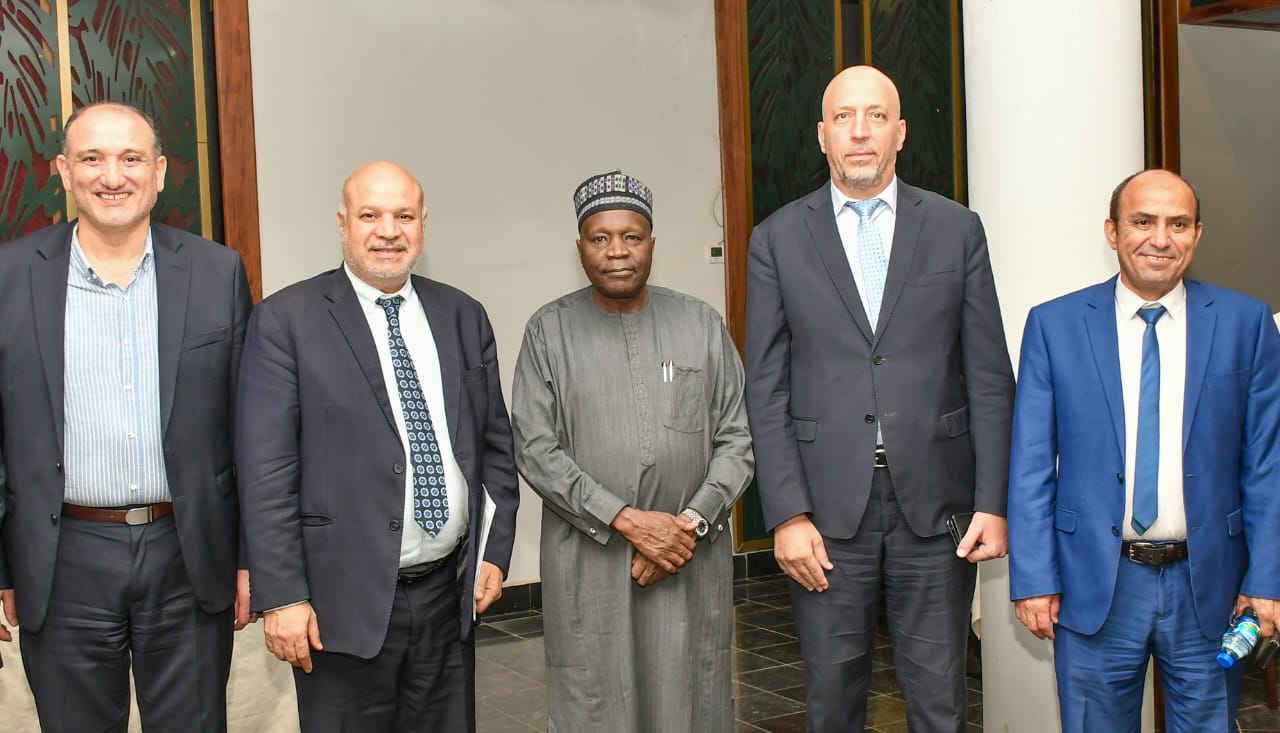
Inuwa Courts North African Investors, Pushes African-Led Development Agenda for Gombe

Inuwa Courts North African Investors, Pushes African-Led Development Agenda for Gombe
Governor Muhammadu Inuwa Yahaya has made a strong case for homegrown African partnerships as he hosted a high-level delegation of Tunisian and Moroccan investors to a state dinner in Gombe, signalling fresh momentum in the state’s drive for transformative investments in water, energy and agriculture.
The delegation, operating under the Tunisia Consortium for African Development (TUCAD), had earlier conducted extensive technical inspections of strategic infrastructure across the state. Their tour covered the Daɗinkowa Dam, the Muhammadu Buhari Industrial Park, key water facilities and other investment corridors, with a focus on identifying viable, long-term and bankable projects.
Speaking at the dinner attended by Tunisia’s Ambassador to Nigeria, Mohsen Antit, Governor Inuwa Yahaya described the engagement as a shining example of South-South cooperation and a practical pathway to African self-reliance.
“Nigeria and Tunisia are developing nations. This is a South-South relationship. If Africans join hands and cooperate, the sky will be our limit,” the governor said. “We must not always look outside the continent for solutions from those who may not fully understand our realities or share in our aspirations.”
He stressed that sustainable development across the continent would be best achieved through partnerships built on shared identity, mutual respect and business collaboration among African nations.
“As Africans, we are one people. Strengthening this kind of partnership through business, cooperation and shared purpose is the surest way to unlock our collective potential,” he added.
The governor noted that the delegation’s field assessment reaffirmed Gombe State’s vast but largely untapped investment potential, particularly in agriculture, renewable energy, water resource management and industrialisation.
Strategically located at the heart of Nigeria’s North-East and sharing boundaries with five states, he said Gombe enjoys a competitive advantage as a commercial and logistics hub with access to a broad regional market.
Highlighting the state’s natural assets, Inuwa Yahaya pointed to its three major dams, expansive arable land and youthful, enterprising population as critical enablers for agro-industrial growth and sustainable energy projects.
“We are open for business. Gombe is ready to work with credible partners who are committed to shared prosperity,” he assured the visiting investors.
In his remarks, Ambassador Mohsen Antit praised the governor’s vision and development-focused leadership, affirming the credibility and technical competence of the North African investors.
“The CEOs you are meeting represent some of the most reputable conglomerates in Tunisia. We are proud to collaborate with our African brothers and support Gombe’s development aspirations,” he said.
He noted that Tunisia’s expertise in water systems, energy, agriculture and infrastructure development presents valuable opportunities for knowledge transfer and joint ventures in Gombe State.
The ambassador also extended a formal invitation to Governor Inuwa Yahaya to participate in the Financing Investment and Trade in Africa (FITA) Forum scheduled to take place in Tunis in April, describing the event as a strategic platform for mobilising financing and expanding investment networks.
Earlier, the Mission Coordinator and Chief Executive of African Network Centre Ltd, Alhaji Ahmed Shuaibu Gara-Gombe, explained that the delegation’s visit had broadened the scope of engagement beyond water and energy to include irrigation, renewable energy, construction and industrial development.
He noted that the technical studies conducted during the visit would lay the groundwork for structured project implementation, especially following the signing of Memoranda of Understanding between the parties.
With the renewed push for intra-African collaboration, Gombe State appears poised to position itself as a model for African-led development partnerships—where shared vision, regional solidarity and strategic investment converge for sustainable growth.

UNICEF, Gombe Intensify Polio Fight as 900,000 Children Targeted in Vaccination Drive
By Auwal Ahmad, Gombe
The ongoing Immunisation Plus Days campaign in Gombe State has gathered momentum, with UNICEF and state health officials expressing optimism that the exercise will record wider coverage and bring the state closer to a polio-free status.
Speaking with journalists shortly after an evening review meeting in Gombe, the Chief of UNICEF Bauchi Field Office, Dr. Nuzhat Rafique, described the 2026 campaign as critical to Nigeria’s final push to eradicate polio.
She said Gombe State had shown strong commitment to the campaign, noting that the state government and its health team were working intensively to ensure that no eligible child was left behind.
According to her, the five-day exercise began with flag-off activities at both the state and local government levels, followed by outreach to communities considered hard-to-reach and underserved.
“This campaign is very important because Nigeria must completely get rid of polio. Gombe is doing its best and trying very hard to reach that status,” she said.
Dr. Rafique commended Governor Muhammadu Inuwa Yahaya and the state health leadership for what she described as unwavering commitment, adding that the daily review meetings were helping partners to track progress and quickly address challenges.
She said the level of community involvement, social mobilisation, and training of health personnel had been encouraging, with traditional rulers and emirs taking visible ownership of the campaign.
According to her, many of the flag-off ceremonies were held in palaces of traditional rulers, a development she said had strengthened trust and local participation.
“Traditional leaders are not just supporting this campaign, they are owning it and leading it alongside the government and partners,” she added.
Dr. Rafique disclosed that UNICEF had provided more than 965,000 doses of oral polio vaccine to support the exercise in Gombe, while the state had put in place the necessary cold chain and distribution system to preserve the vaccines and move them to vaccination teams across the local government areas.
She said the campaign was targeting about 900,000 children, while also paying special attention to more than 50,000 zero-dose children — children who have never received routine immunisation.
She stressed that reaching such children remained one of the most important goals of the campaign.
“Zero-dose children are a very important concern for all of us. We need to reach every one of them, and that is why UNICEF, WHO and the government are working together very closely,” she said.
On reports of discrepancies observed by monitors in the field between expected standards and what some vaccinators were doing, Dr. Rafique said such observations were not unusual in large public health campaigns.
She explained that UNICEF and its partners deliberately set very high standards for quality and accountability, which often meant that supervisors were expected to identify gaps and correct them quickly.
“Gombe is doing a very good job, but there is always room for improvement. That is why we go to the field, review what is happening and discuss how to improve coverage and quality,” she said.
Although she declined to give a final figure for children vaccinated so far, she said early reports showed that over 60 per cent of daily targets were being met, while cautioning that final figures would only become clearer after all delayed field data had been collated.
She noted that she had personally visited communities in Funakaye, Dukku and Akko during the campaign and observed strong commitment from frontline workers and local leaders.
Also speaking, the Executive Secretary of the Gombe State Primary Health Care Development Agency, Dr. Abdulrahaman Shu’aibu, said the state had carried out extensive advocacy and mobilisation ahead of the campaign.
He said the sensitisation effort covered the state, local government and ward levels, and involved traditional rulers, religious leaders, women groups and youth organisations.
According to him, the strategy was designed to reduce vaccine rejection and improve acceptance across communities.
He, however, admitted that despite the widespread engagement, some pockets of resistance still existed in parts of the state.
Dr. Shu’aibu said health authorities would continue to rely on trusted community voices to overcome such resistance and reassure parents about the safety and importance of vaccination.
“It is not only in Gombe; across the country, there are still some pockets of non-compliance. What we do is continue to sensitise people and work with community and religious leaders who have the trust of the people,” he said.
He added that years of sustained advocacy had already begun to yield results, with routine immunisation coverage improving across several antigens in the state.
On the composition of vaccination teams, the executive secretary explained that each team consisted of three personnel selected from within their local communities to ensure familiarity, trust and easier access to households.
He said the team members were trained before deployment and also received daily refresher sessions at take-off points to improve their performance throughout the exercise.
“Sometimes there are training gaps, but what we do is provide daily refresher training to keep them updated and improve their delivery in the field,” he said.
Dr. Shu’aibu expressed confidence that the 2026 campaign would surpass previous performance levels, saying health officials were targeting more than 95 per cent coverage by the end of the exercise.
He also appealed to parents and caregivers to present all eligible children between 0 and 59 months for vaccination, insisting that the oral polio vaccine was safe, effective and free of charge.
He said some of the resistance encountered in communities was being addressed through direct engagement with religious leaders, councillors and other respected local figures invited to participate in evening review meetings.
According to him, these influencers often help break down mistrust and encourage parents to cooperate with health workers.
At Dawaki Ajiya, one of the communities visited during the exercise, a mother of five, Jamila Jibrin Chiroma, said she had allowed all her children to be vaccinated because she believed immunisation was important for their health and protection against disease.
Her decision reflects the growing acceptance that health officials say is necessary if Gombe is to eliminate polio transmission and protect every child from preventable illness.
The campaign continues across the state with health teams moving from house to house, while supervisors and partners monitor compliance, resolve challenges and intensify efforts in settlements yet to be fully covered.
Tinubu at 74: Northern Governors Back Reforms, Reaffirm Support for President’s Vision
By Auwal Ahmad Umar
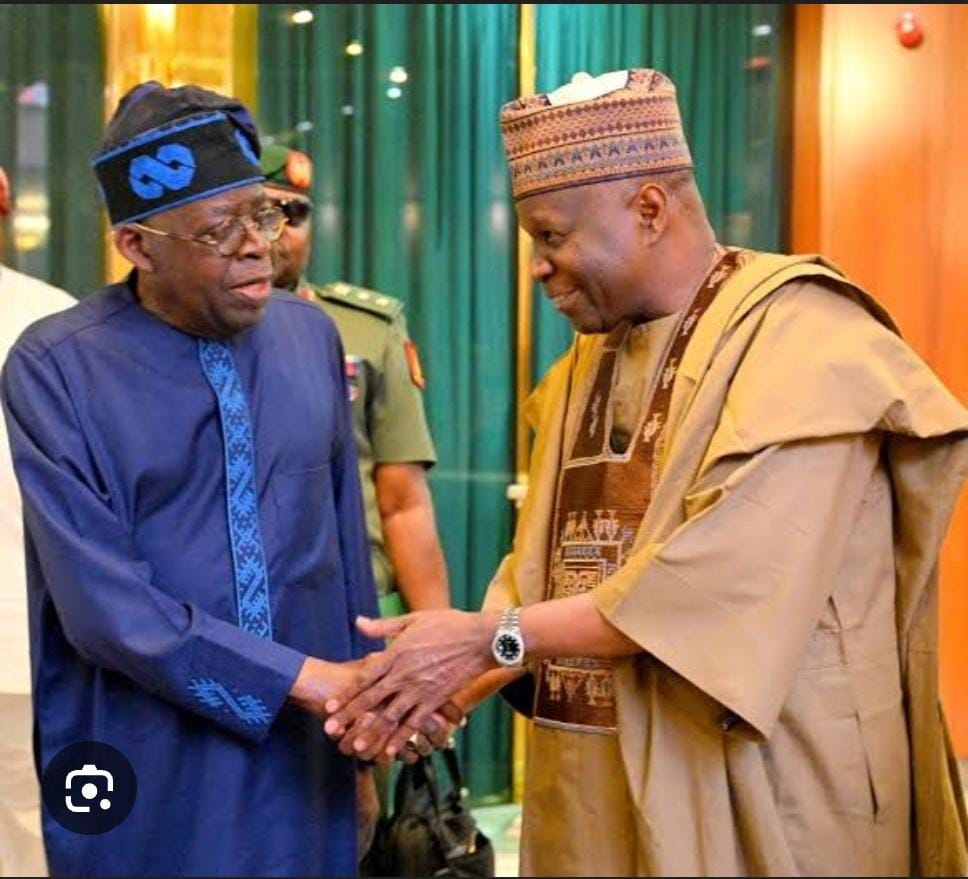
Chairman of the Northern States Governors’ Forum (NSGF) and Governor of Gombe State, Muhammadu Inuwa Yahaya, has congratulated President Bola Ahmed Tinubu on his 74th birthday, reaffirming the forum’s support for his administration and its reform agenda.
In a statement issued on behalf of his colleagues at the NSGF, Governor Inuwa Yahaya described President Tinubu’s leadership as bold, focused and crucial to Nigeria’s long-term political and economic stability.
He said the president had shown strong determination since assuming office by pursuing major reforms aimed at repositioning the nation’s economy and strengthening critical institutions.
According to the governor, although some of the policy decisions may be difficult in the short term, they are necessary to build a more stable, productive and prosperous country.
He noted that the administration’s Renewed Hope Agenda has continued to inspire confidence among Nigerians by providing a clearer pathway for inclusive growth, national unity and sustainable development.
Governor Inuwa Yahaya said the people of Gombe State, alongside other governors in the North, remain fully committed to supporting the president’s vision and ensuring the success of his policies across the country.
“The bold and courageous decisions taken by Mr President reflect leadership driven by conviction and a genuine desire to secure a better future for the nation. These reforms, though challenging, are already laying the groundwork for lasting progress,” he said.
The NSGF chairman also emphasised the governors’ unified support for the continuation of President Tinubu’s reform programme beyond the current administration.
He said the North deeply appreciates the president’s support for subnational governments and his inclusive style of governance, which he noted has helped strengthen cooperation between the federal and state governments.
“We in Gombe State, together with our colleagues in the Northern States Governors’ Forum, acknowledge and deeply appreciate your support to subnational governments and your inclusive approach to governance. We stand firmly with you and reiterate our full and unflinching support for your leadership and vision, not only for the present but also for the continuity of your transformative agenda into a second term,” the governor stated.
Governor Inuwa Yahaya prayed for good health, wisdom and strength for President Tinubu as he continued to lead the country through a period of economic reform and national rebuilding.
The message joins a wave of tributes from political leaders and stakeholders across the country in honour of the president’s 74th birthday.

Inuwa Hails Yilwatda, New APC NWC, Says Convention Signals Party Unity Ahead of 2027
By Auwal Ahamd Umar
Gombe State Governor Muhammadu Inuwa Yahaya has congratulated Prof. Nentawe Yilwatda and other newly affirmed members of the National Working Committee (NWC) of the All Progressives Congress (APC), describing their emergence at the party’s National Convention in Abuja as a strong sign of unity and stability within the ruling party.
Governor Inuwa Yahaya said the smooth emergence of the new leadership through a consensus process reflected the APC’s growing internal harmony and collective resolve to strengthen its structure ahead of future political contests.
He described Prof. Yilwatda as a vibrant and visionary leader with the intellect, energy and political temperament needed to guide the party into a new phase of growth and consolidation.
According to the governor, the APC National Chairman embodies the kind of progressive leadership capable of inspiring confidence within the party and among Nigerians.
“Prof. Nentawe Yilwatda represents the new face of progressive leadership. He is dynamic, forward-looking, and deeply grounded in the ideals that define our great party,” Governor Inuwa said.
He added that Yilwatda’s emergence shows that the APC remains committed to renewal, reform and staying connected to the hopes and expectations of the Nigerian people.
Governor Inuwa further noted that the new chairman brings a rich blend of academic distinction, administrative experience and political understanding to the office, saying his early performances in the role have already shown promise.
He said Yilwatda’s appreciation of technology and innovation would also help reposition the party and strengthen its relevance in a rapidly changing political environment.
The governor also said the emergence of the new NWC points to a fresh phase for the APC, one that should focus on broadening inclusion, reinforcing discipline and sustaining the party’s democratic culture.
He urged party leaders, stakeholders, and members across the country to support the new leadership in order to preserve unity, maintain stability, and prepare the party for future electoral success, especially as political activities begin to gather momentum ahead of the 2027 general elections.
Governor Inuwa Yahaya, who also serves as the Renewed Hope Ambassador and Secretary for Party Outreach and Engagement, commended President Bola Ahmed Tinubu for what he described as his strategic leadership and stabilising role in the success of the convention.
He said the president’s guidance was instrumental in building consensus, strengthening the party’s internal structures and keeping the APC on a path of cohesion and national political relevance.

2027 Elections: SDP Opens Contest to Aspirants, Promises Transparent Primaries

Inuwa Yahaya, NSGF and the Renewed Northern Resolve

AI Boom, Training Bust: Only 10% of Nigerian Journalists Skilled in Emerging Tools – SMI

Dangote Launches Landmark ₦1 Trillion Scholarship Scheme to Support 1.3 Million Nigerian Students

NGX Ends Week in the Green as ₦1.54 Trillion Boosts Investors’ Fortunes

Formal Rebuttal to the Recent Interview Granted by Retired Major General Ali Keffi on Arise TV
-
 Education4 months ago
Dangote Launches Landmark ₦1 Trillion Scholarship Scheme to Support 1.3 Million Nigerian Students
-
 Economy4 months ago
NGX Ends Week in the Green as ₦1.54 Trillion Boosts Investors’ Fortunes
-
 Column4 months ago
Formal Rebuttal to the Recent Interview Granted by Retired Major General Ali Keffi on Arise TV
-

 Gombe4 months ago
Gombe Shines Again, Ranks Second in Northeast at 2025 PHC Leadership Challenge
-

 Economy4 months ago
CBN’s End to Cash Withdrawal Limit
-
 Politics4 months ago
NSGF names Ezekiel Gomos as Director-General, setting stage for stronger regional collaboration
-
 Gombe3 weeks ago
A tribute to Dr Langa Hassan Bangunji (JP) – an icon of Scholarship, Leadership and Community Service
-
 Latest News4 months ago
Anglican Church Expands Footprint with 15 New Dioceses, Total Hits 176