
Guest Column
Kebbi 2027: Gov. Nasir Weathering The Storm

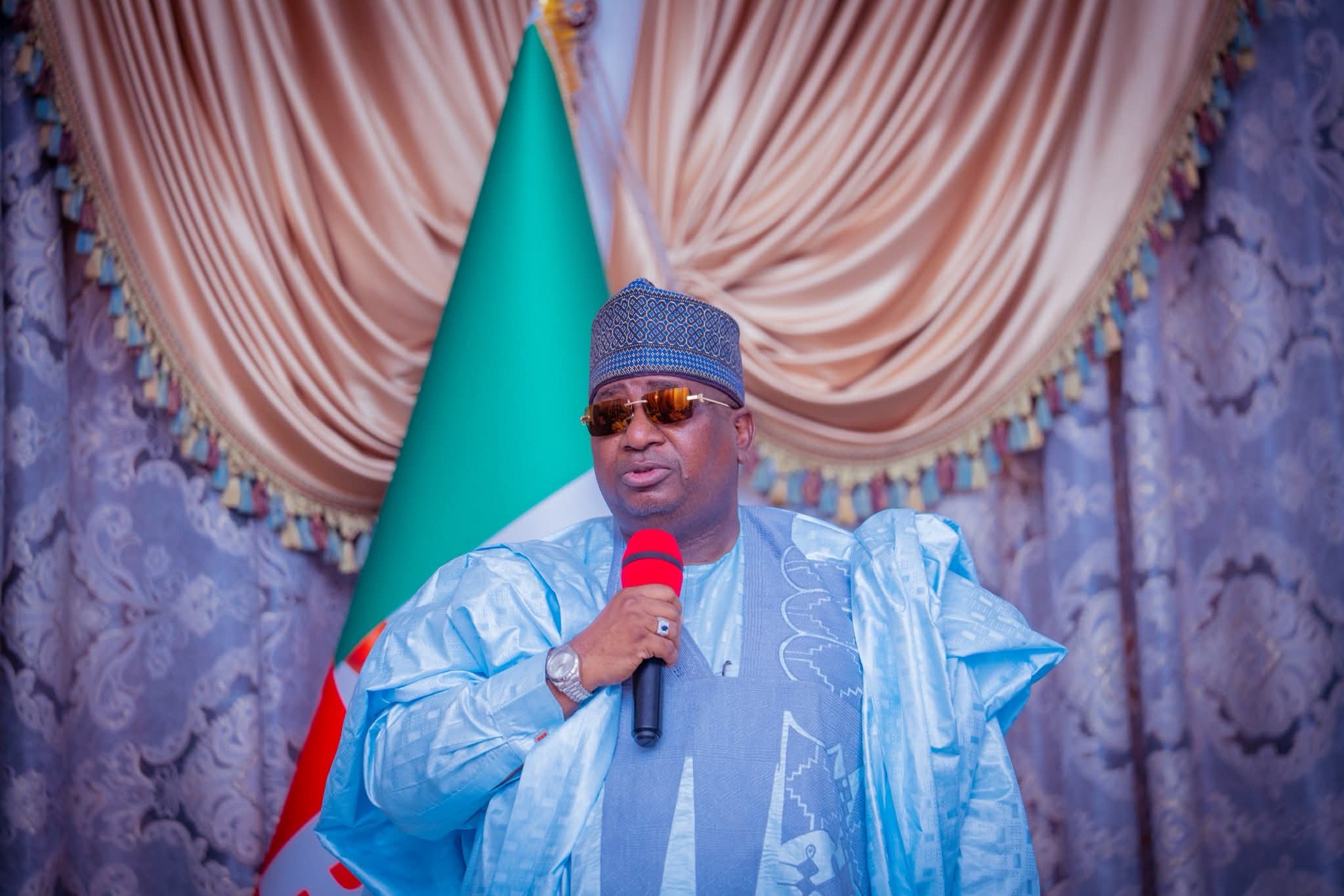
Kebbi 2027: Gov. Nasir Weathering The Storm
By Sani Umar
As conversations for the 2027 elections begin to intensify, it is only natural that first-term governors pursue re-election. The constitution permits it, yet it is not automatic. In this sense, the only thing that truly guarantees re-election is a record of good governance.
And, in the Nigerian political landscape, nothing signals that a leader has surpassed expectations more than endorsement, even from opposition politicians. Nothing communicates that endorsement better than staunch opposition figures abandoning their parties to pitch camp with an incumbent. That, in practical terms, is what is happening in Kebbi State.
Without having to solicit or press them, several opposition elements have abandoned their ship to align with Governor Nasir Idris (Kauran Gwandu) in the APC. Strong PDP members like Alhaji Sule Ikko and several others have switched to what they describe as the winning team. Perhaps, one of the most consequential of these defections is that of Sani Abubakar Malami, younger brother to Abubakar Malami, erstwhile Attorney-General of the Federation. Alongside him, figures like Alhaji Musa Dan Kwado, Bello Ka’oje, and Alhaji Haruna Sa’idu; all notable opposition actors with grassroots influence have also pitched camp with the APC.
The defection of Sani Abubakar Malami, in particular, is an indication that beyond the media glitz in Abuja and other gaslighting avenues, Abubakar Malami is not even considered a serious threat in Kebbi State. He neither commands any formidable structure nor enjoys meaningful street-level sympathy. The recent reception accorded him, when youths accosted his convoy with chants of “barawo bai mulki” (loosely translated as “thieves don’t govern”) says more than a thousand carefully crafted press statements ever could.
Beyond opposition approval, however, one is tempted to ask: what exactly is Governor Nasir doing differently to attract this level of approval from friendlies and hostiles alike? The answer is simple: Governance that resonates with the people! Governance, as we know, rests on tangible outcomes, not the kind of noise that people like Malami thrive on. Across several sectors, including education, healthcare, agriculture, infrastructure, security, and worker welfare, the administration has attempted to address longstanding gaps that have defined the development narrative of Kebbi State.
One of the clearest indicators of this is investment in education, where Nasir has made it his personal mandate to rebuild the very foundation of society. This is especially significant given that education holds a personal place in Nasir Idris’s story. Before entering politics, he built his reputation as a labour leader and advocate for teachers, making education not just policy, but a constituency.
Since assuming office, the administration has embarked on the renovation and rehabilitation of several schools across the state. Institutions such as Government Girls Secondary School, Birnin Kebbi; Government Secondary School, Jega; and Nagari College, Birnin Kebbi have benefited from upgrades in infrastructure and learning facilities. These efforts are complemented by the recruitment of additional teachers to address manpower shortages in the public school system.
In addition, the government has sustained the policy of paying WAEC and NECO examination fees for final-year students in public schools, an intervention designed to ease financial pressure on families while encouraging school retention. These efforts may appear routine in policy discussions, but they represent a meaningful recalibration in a sector that had long struggled with decay and neglect.
Healthcare is another sector where the administration has acknowledged both the scale of the challenge and the urgency of reform. Early in his tenure, Governor Idris drew attention when he openly admitted that some hospitals in the state were so dilapidated that even basic facilities like beds were absent. That unusual candour set the tone for a reform agenda rooted in transparency and gradual rebuilding.
One of the flagship initiatives here is the establishment of the Kauran Gwandu College of Nursing and Midwifery Sciences in Ambursa. This institution was designed to expand the training pipeline for nurses and midwives, particularly for underserved rural communities.
Beyond manpower development, the government has also embarked on the rehabilitation of key healthcare facilities, including Argungu General Hospital and Sir Yahaya Memorial Hospital in Birnin Kebbi, alongside several primary healthcare centres across local government areas. The logic is straightforward: healthcare delivery in Nigeria begins at the grassroots.
Perhaps the most visible dimension of the Nasir administration’s governance record lies in infrastructure development, particularly road construction and urban renewal. Among the key projects is the dualisation of Emir Haruna Road in Birnin Kebbi, which has significantly improved traffic flow within the state capital. Complementing this is the dualisation of the Old Argungu By-Pass—a 6.4-kilometre project valued at over ₦7.23 billion, complete with drainage systems and solar street lighting.
Other initiatives include the Birnin Kebbi–Ambursa Road, expansion of township road networks, and the construction of a modern Central Motor Park. These are not merely aesthetic upgrades; they are functional investments aimed at facilitating commerce, easing transportation, and connecting rural producers to urban markets.
One particularly symbolic project is the completion of the Bola Ahmed Tinubu Secretariat Complex—a facility that had lingered unfinished for over a decade before being completed by the present administration. It reflects a broader commitment to strengthening institutional capacity within the civil service.
Agriculture, which remains the backbone of Kebbi State’s economy, has also been strengthened. Through seasonal intervention programmes, the administration has distributed over 200 trucks of fertiliser, alongside improved seedlings and mechanised equipment. In one of the most recent interventions, about 240 trucks, equivalent to roughly 120,000 bags were distributed across the 21 local government areas as part of dry-season farming support.
These efforts extend to the provision of tractors, irrigation pumps, herbicides, and other inputs designed to boost productivity in a state widely regarded as one of Nigeria’s leading rice-producing regions.
On the security front which is an unavoidable concern across northern Nigeria, the administration has recorded modest but notable gains. While Kebbi has not witnessed the scale of violence seen elsewhere, the government has taken steps to strengthen coordination. A major component of this strategy is the establishent of the Kebbi State Neighbourhood Watch, a community-based outfit designed to complement federal security agencies through intelligence gathering and grassroots vigilance.
Combined with improved collaboration between traditional rulers, community leaders, and formal security institutions, these measures have helped maintain relative stability, an achievement acknowledged even at the federal level.
Beyond policy and infrastructure, one of the defining qualities associated with Gov. Nasir is his reputation for sincerity. His willingness to openly acknowledge challenges whether in healthcare or security, has earned him a level of credibility many politicians struggle to cultivate. In an environment where leaders often shy away from admitting problems, that openness resonates.
As the 2027 political cycle approaches, debates around leadership continuity in Kebbi State will inevitably intensify. Yet one reality remains difficult to ignore: the administration has already placed substantial projects and policy interventions on the ground.
From the rehabilitation of schools and hospitals to the expansion of road infrastructure, agricultural support programmes, and institutional reforms, the trajectory under his watch has been one of steady, visible progress.
For many observers, the argument for continuity is therefore based not in sentiment, but in the logic of consolidation. Development, particularly in infrastructure, healthcare, and education requires sustained leadership to fully mature. On this score, continuity appears far more compelling than the promises of Eldorado currently being peddled by frustrated political actors.
Ultimately, if the true test of leadership is the ability to translate promises into measurable outcomes, then the emerging record of the Nasir administration provides a solid foundation for the argument that Kebbi State may benefit from giving Governor Nasir Idris the opportunity to consolidate the progress already underway. In that sense, the road to 2027 may well be less about campaigning, and more about the quiet, persuasive power of performance.
The task ahead, as always, rests with the people of Kebbi State. Will they keep faith with a political trajectory already in motion, or will they entertain the romanticised ramblings of glorified political paperweights? The choice, ultimately, is theirs.
Umar writes from Birnin Kebbi
Guest Column
Rising Tides in Gombe: Defections, Endorsements and the Emerging Political Momentum Behind Jamil Gwamna

Rising Tides in Gombe: Defections, Endorsements and the Emerging Political Momentum Behind Jamil Gwamna
By Adamu Saleh
As the 2027 governorship elections gradually take shape in the country. In Gombe State, the political atmosphere is witnessing a significant realignment marked by high-profile defections and strategic endorsements. At the centre of this shifting landscape is Dr Jamil Isyaku Gwamna, the gubernatorial candidate of the All Progressives Congress (APC), whose growing influence appears to be redefining the contours of the race.
In what many observers described as a major political boost, a coalition of stakeholders from key opposition parties, including the Peoples Democratic Party (PDP), African Democratic Congress (ADC), and Labour Party (LP), recently defected to the APC. The group, comprising notable figures such as Professor Sulaiman Dankande, Hon. Nura Abba, Hon. Abdullah Amtai, Hon. Dedan Mela, and Hon. Murtala Usman Dukku, formally declared their support for Dr Gwamna during a visit to him in Gombe recently.
Their decision, according to a joint statement, was driven by a shared conviction in Gwamna’s leadership qualities, integrity, and vision for the future of the state. “Our decision to join the APC is informed by the need to support a leader who has the capacity, integrity, and clear direction for the future of Gombe State,” the group stated, pledging total commitment to his victory in 2027.
Dr Gwamna, in his response, described the move as a step in the right direction, emphasising the importance of unity and collective effort in advancing the development of Gombe State and its people. He assured the defectors of inclusivity and a shared commitment to good governance and urged them to ensure the success of the party at all levels.
This wave of political realignment was further reinforced by a remarkable show of grassroots support from over 1,500 Gombe indigenes currently working at the Kano Electricity Distribution Company (KEDCO). In a well-attended solidarity event, the workers unanimously endorsed Dr. Gwamna’s candidacy, citing his role in facilitating employment opportunities for many of them during his tenure at the company.
The endorsement carries both symbolic and practical significance. For many of the beneficiaries, Gwamna’s intervention was not merely an employment opportunity but a transformative moment that reshaped their economic realities and uplifted their families. Their collective voice, therefore, represents not just political support but also a deep sense of gratitude and trust in his leadership.
Speaking on behalf of the group, the KEDCO staff described Dr Gwamna as “a man of vision, compassion, and proven capacity”, affirming their readiness to mobilise support across their networks ahead of the 2027 elections. They also expressed confidence in his ability to sustain and build upon the developmental strides of the current administration, particularly in infrastructure, economic growth, and human capital development.
The event also featured the participation of KEDCO’s Managing Director, Dr Abubakar Shuaibu Jimeta, who joined virtually from Saudi Arabia, where he is performing the Hajj. His virtual presence added further weight to the endorsement, reflecting a broad-based alignment of support within professional and administrative circles.
An emotional Dr. Gwamna expressed profound appreciation for the overwhelming support, noting that the success stories of the beneficiaries stand as a testament to the power of investing in people. He reiterated his commitment to policies that prioritise job creation, youth empowerment, economic growth of the state and sustainable development.
Political analysts view these developments as a strong indication of Gwamna’s rising profile and the consolidation of a formidable support base ahead of the elections. The convergence of elite defections and grassroots endorsements suggests a campaign strategy that is both top-down and bottom-up, appealing to political actors and ordinary citizens alike.
As Gombe State moves closer to the 2027 governorship contest, the unfolding dynamics signal a potentially transformative election cycle. Whether this growing momentum will translate into electoral victory remains to be seen, but one thing is increasingly clear: Dr Jamil Isyaku Gwamna has become a central figure in the state’s evolving political narrative.
In a political environment often defined by uncertainty, his campaign appears to be gaining clarity, structure, and widespread appeal, factors that could prove decisive in the months ahead.
Saleh can be reached through bappandada1@gmail.com
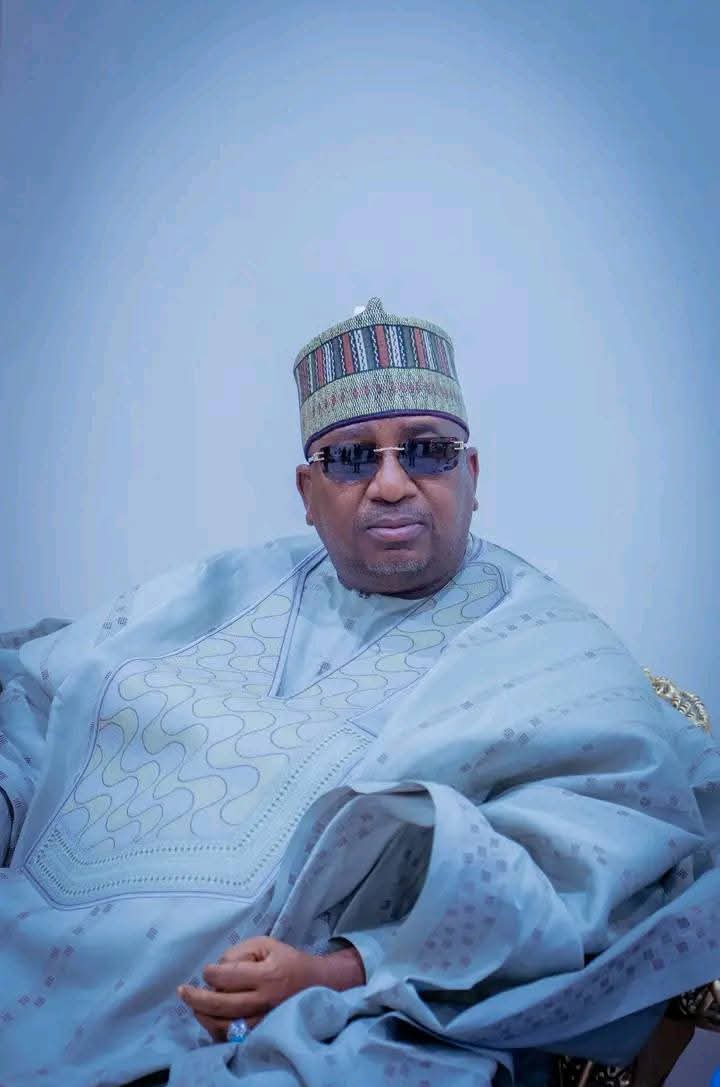
Kebbi: Healthcare Transformation Headlining International Commendation
By Auwal Jaafar
Commendations have poured in from international partners in recognition of the healthcare transformation taking place in Kebbi state. From World Health Organization, (WHO), UNICEF, and United Nations Development Programme, Kebbi state is being celebrated for its impactful investments in primary healthcare and sustained efforts toward polio eradication in the state.
The rationale behind this thinking is that Health is wealth. And as expressions go, few have endured as long or carried as much weight. Like security and education, healthcare remains one of the most sacred obligations between the people and those who govern them. Yet, across Nigeria, that obligation has too often been treated lightly. Since Gov. Nasir Idris (Kauran Gwandu) assumed office in 2023, inheriting a healthcare system under severe strain, there has been a conscious effort to rewrite that narrative.
From crumbling facilities scattered across communities, clear symbols of neglect that reinforced Kebbi state’s poor standing in maternal and child health outcomes, to an acute shortage of personnel in critical centres, the situation was dire. But from the outset, the administration of Gov. Nasir signalled a determination to confront these realities head-on and improve access to healthcare for the people. And, not only the people, but even international partners have taken note.
The hack behind this success comes from understanding that leadership begins with acknowledging the problem. It is on record that governor Nasir did not attempt to mask the depth of the crisis. He openly spoke of hospitals where patients lay on bare floors due to a lack of beds. In hindsight, that candid admission was more than a statement, it was a declaration of intent. It underscored a commitment not to leave the sector as he met it.
That resolve was shaped by an awareness that Kebbi state’s healthcare challenges were layered rather than straightforward. At the surface was visibly decayed infrastructure. Beneath that lay a persistent shortage of trained personnel. Compounding both was the long-standing issue of poor welfare for health workers, which had weakened morale and driven some professionals out of the state. Addressing such interwoven problems required more than remedial fixes; it demanded a comprehensive, coordinated response. That is the route the administration has taken, and no wonder, Gov. Nasir is drawing commendation from development partners including the
Across Kebbi today, visible changes in health facilities reflect a sector regaining attention. Hospitals are being renovated and upgraded within the limits of available resources, but with a clear sense of urgency. In Argungu, home to the renowned UNESCO-recognised fishing festival, residents have welcomed the transformation of the General Hospital Argungu. Once a symbol of neglect, it now functions as a modern facility with improved capacity for diagnosis and treatment.
Argungu is only part of a broader effort. In Birnin Kebbi, the Sir Yahaya Memorial Hospital has undergone major rehabilitation and re-equipping, strengthening its role as a key referral centre. Similar interventions have reached the General Hospitals in Yauri and Zuru, alongside multiple primary healthcare centres spread across local government areas.
The attention to primary healthcare centres is deliberate. While tertiary institutions often dominate policy debates, the reality is that healthcare delivery in Nigeria begins at the grassroots. For many citizens, especially in rural areas, these centres are the first, and sometimes only point of access to healthcare. Strengthening them, therefore, reduces pressure on higher-level facilities and ensures that manageable conditions are treated early before becoming severe.
These combined investments are beginning to show impact. Better facilities have improved public confidence in government hospitals, and access to care in previously underserved communities is gradually expanding. The work is ongoing, but the trajectory is becoming clearer.
However, infrastructure alone cannot drive a health system. Skilled personnel remain indispensable, and this has informed the administration’s next phase of reforms. Faced with the option of relying on externally trained professionals or building local capacity, the government has opted for the latter.
A central element of this strategy is the establishment of the Kauran Gwandu College of Nursing and Midwifery Sciences in Ambursa. The institution is intended to boost the training of nurses and midwives, directly tackling workforce shortages, particularly in rural areas. By training locally, the state also improves the chances of retaining professionals who are more likely to serve within their communities.
Still, producing personnel is only part of the equation. Keeping them requires attention to welfare. In recognition of this, the administration has rolled out measures aimed at improving working conditions and stabilising the workforce.
These include enhanced remuneration, such as the payment of hazard allowances and adjustments in line with national salary standards. There has also been a renewed emphasis on timely payment of salaries and allowances, an issue that has long undermined the sector in many states. Alongside this, recruitment efforts have been intensified to close manpower gaps and ease pressure on existing staff.
Targeted incentives have also been introduced to encourage postings to rural areas, where shortages are often most severe. By making such placements more appealing, the government is working to correct imbalances in the distribution of health workers. Training and professional development programmes further support this effort, offering career growth and reducing the sense of stagnation among personnel.
All of these measures together, point to a broader understanding of the fact that healthcare reform is not just about physical infrastructure but about the people who sustain it. These include doctors, nurses, midwives, and support staff.
What is unfolding in Kebbi is therefore not a collection of isolated projects, but a coordinated push toward systemic reform. Infrastructure renewal, human capacity development, and welfare improvements are being pursued in tandem, each reinforcing the other.
Naturally, it is too early to declare complete success. The challenges facing healthcare in Kebbi, as in much of Nigeria, are deeply rooted and will require sustained commitment. Population pressures, funding limitations, and emerging health threats will continue to test the system. Even so, there is growing evidence that the groundwork for a more functional healthcare system is being deliberately laid.
Yet, all of these can easily disappear if the foundation is shattered. This can happen, especially in a political environment where continuity is often disrupted. Regardless, the early direction of reforms in Kebbi state’s health sector stands out for its clarity and structural focus but it can’t be immune to continuity challenges. The emphasis goes beyond immediate results to building a system that can endure. If maintained, these efforts could significantly reshape healthcare delivery in the state, lowering maternal and child mortality rates, improving life expectancy, and rebuilding public trust.
Sustaining these gains, however, ultimately rests on continuity. There is a compelling argument for supporting the kind of leadership offered by Gov. Nasir, the kind that is already laying a solid foundation, rather than even entertaining the empty promises of opposition leaders assuring of eldorado.
While the progress may appear gradual for now, it is a well known fact that in healthcare, even small improvements translate directly into saved lives. Hence, the risk of losing such gains under a less committed administration is immediate and real. This is where the people of Kebbi state must assume responsibility for continuity, to ensure that the progress made is not only preserved but expanded. Re-electing Gov. Nasir, in this context, offers the surest path to consolidating and fully realising the reforms already underway.
Jaafar writes from Abuja
Kebbi Mega Rally: When Masses Tell Their Story
By Ibrahim Bello
Politics, by its very nature, is a contest of narratives. The opposition thrives on casting doubt, often working overtime to diminish incumbency with sharp rhetoric and selective amnesia. But while, so many incumbents allow themselves to be distracted or drawn into street brawls by the natural antics of the opposition, some simply just show the opposition what it truly means to be accepted. This they do through the people who, having experienced governance, decide to take up the job of marketing the incumbent through organic public spectacles.
That moment played out in Birnin Kebbi, over the weekend when an overwhelming crowd of Kebbi people surged in solidarity with Governor Nasir Idris, (Kauran Gwandu), and President Bola Ahmed Tinubu. All those who witnessed that organic crowd noted that it was not just another rally; it was a referendum of sorts, staged not in ballot boxes, but in human numbers.
When people gather in such magnitude, uncoerced and spirited, they are not merely attending an event; they are testifying to what they have witnessed.
The chants were unmistakable. The placards told their own stories—roads completed, schools revived, hospitals upgraded, salaries paid, security strengthened. It was less of political theatre and more of a public audit, carried out by those who feel the impact most directly.
For Governor Nasir Idris, the significance of that moment goes beyond optics. It reflects a governance model that has deliberately focused on tangible outcomes rather than loud proclamations. Since assuming office in 2023, his administration has carved a reputation around visible development and administrative responsiveness.
Take infrastructure, for instance. Across Kebbi State, there has been a steady push to rehabilitate and construct roads linking communities that were previously cut off, especially during the rainy season. Roads such as the Argungu–Aleiro corridor and critical township roads within Birnin Kebbi have improved mobility, eased trade, and reduced travel time for residents and farmers alike. These are economic lifelines whose impact is already being felt.
In education, the primary constituency of the governor, the story is equally compelling. Governor Nasir has prioritised the renovation of dilapidated schools and the construction of new classrooms to address overcrowding. Beyond infrastructure, his administration approved the recruitment of thousands of teachers to bridge staffing gaps in public schools. This intervention is critical in a state where access to quality basic education remains a developmental challenge. By investing in both human and physical capital, Kebbi is gradually repositioning its education sector for long-term gains.
Healthcare delivery, often neglected in subnational governance, has also received notable attention. Several primary healthcare centres have been upgraded and equipped across the state, improving access to basic medical services in rural areas.
The administration has also supported general hospitals with essential equipment and personnel, strengthening the referral system. Perhaps, the most significant investment in this sector is the establishment of the Kebbi College of Nursing and Midwifery, Ambursa. The idea is to create a ready source for critical health workers to man the revamped hospitals.
Perhaps one of the most defining aspects of Governor Nasir’s leadership has been his approach to workers’ welfare.
As a former union leader, expectations were naturally high, and he has not disappointed. His administration moved early to implement the new national minimum wage, placing Kebbi among the states that acted swiftly in that regard.
Salaries have been paid consistently, pensions cleared, and gratuities addressed in a manner that restores dignity to retired civil servants.
With stories of struggling senior citizens across the country, Gov. Nasir’s commitment to doing right by retirees stands out indeed.
Security, though largely under federal control, has not been ignored. Kebbi has witnessed improved coordination between state authorities, the home grown security outfits and security agencies, particularly in border communities prone to banditry.
The government has supported logistics, mobility, and community engagement initiatives that contribute to maintaining relative peace. While challenges persist, the effort to proactively address them is evident.
Agriculture, the backbone of Kebbi’s economy, has also benefited from targeted interventions. The administration has supported farmers with inputs, improved seedlings, and extension services aimed at boosting productivity.
Given Kebbi’s status as a leading rice-producing state, these efforts are not just about food security, they are about economic stability and rural livelihoods.
What makes these interventions particularly significant is the broader fiscal context. Many governors have acknowledged that reforms initiated by President Bola Ahmed Tinubu, especially around revenue and subsidy restructuring have increased allocations to states.
The real test, however, lies in utilisation. In Kebbi, there is a growing perception that these resources are being translated into visible development.
This is where the opposition’s narrative buckles under the weight of street level evidence and the lived reality of the people. Granted that criticism remains a vital component of democracy, but it must contend with evidence.
When roads are seen, when salaries are paid, when schools are functioning, and when hospitals are accessible, rhetoric alone cannot easily erase lived experience.
It’s no wonder then that the poster boy of Kebbi opposition, Abubakar Malami, was recently treated to a befitting welcome to Kebbi when youths lined the streets to chant “barawo bai mulki” loosely translated to mean thieves don’t govern.
The Birnin Kebbi rally, therefore, was not just about political endorsement; it was about validation. It demonstrated that governance, when rooted in delivery, builds its own constituency, one that is not easily swayed by transient political arguments.
Of course, no administration is without its shortcomings. There are still areas requiring urgent attention. Such areas as youth unemployment, deeper industrialisation, and expanded healthcare coverage, among others can be made better. Yet, the measure of leadership is not perfection; it is direction. And in Kebbi, the direction appears increasingly clear.
As 2027 gradually enters the political horizon, conversations will intensify. Alliances will shift, narratives will be refined, and ambitions will be declared. Yet, beneath all that, one fundamental question will persist: what has been done?
In answering that question, Governor Nasir Idris may not need an elaborate defence. The roads will speak; the schools will testify and the workers will remember. And, as witnessed in Birnin Kebbi, the people will gather, again, if necessary, to make their voices heard.
Because in the end, beyond party lines and political calculations, governance finds its truest expression in impact. And when impact resonates deeply enough, it does something no campaign strategy can manufacture; it draws a crowd that speaks not from gated mansions, but from the overall experience of governance as promised by a leader both unionist and welfarist.
Bello writes from Birnin Kebbi.

Gazargamu Emir Dies at 80 in Egypt After Prolonged Illness

Zulum Applauds Tinubu, Ribadu, Security Forces as 434 Ngoshe Abductees Regain Freedom

Zulum Moves to Complete Legacy Projects

World Environment Day: NGO Urges Nigerians to Embrace Nature-Based Solutions Against Climate Change

NGX Ends Week in the Green as ₦1.54 Trillion Boosts Investors’ Fortunes

Dangote Launches Landmark ₦1 Trillion Scholarship Scheme to Support 1.3 Million Nigerian Students
-
 Environment4 days ago
World Environment Day: NGO Urges Nigerians to Embrace Nature-Based Solutions Against Climate Change
-
 Economy6 months ago
NGX Ends Week in the Green as ₦1.54 Trillion Boosts Investors’ Fortunes
-
 Education6 months ago
Dangote Launches Landmark ₦1 Trillion Scholarship Scheme to Support 1.3 Million Nigerian Students
-

 Economy6 months ago
CBN’s End to Cash Withdrawal Limit
-
 Politics3 weeks ago
APC Primary Committee Declares Gombe Senatorial Polls Credible, Transparent
-

 Column6 months ago
Formal Rebuttal to the Recent Interview Granted by Retired Major General Ali Keffi on Arise TV
-
 Sport2 months ago
Gombe Aquatic Sports Body Unveils Board, Sets Stage for Competitive Debut
-

 Gombe6 months ago
Gombe Shines Again, Ranks Second in Northeast at 2025 PHC Leadership Challenge